Will insurance money be lost if new E20 petrol is put in old car? Car owners’ senses blown away by warning from this big company
If you have a car purchased before April 2023 and you are rushing to the petrol pump to fill the new E20 petrol, then stop! This news is directly related to your pocket and the life of your favorite vehicle. A recent claim from ICICI Lombard, one of the country’s largest private general insurance companies, has set the hearts of millions of car owners on edge.
According to a report in Mint, the company had warned in one of its blogs that if you use this new fuel in your old and non-compatible car and it causes engine damage, then you will not get a single penny of the insurance claim. The insurance company may reject your claim considering it as ‘misuse’ of the vehicle or ‘negligence’. However, after this created a storm in the media, the company has secretly removed this part from its blog, but this revelation has increased the concern of crores of people who have old vehicles.
Why Is E20 Petrol Problematic for Old Cars?
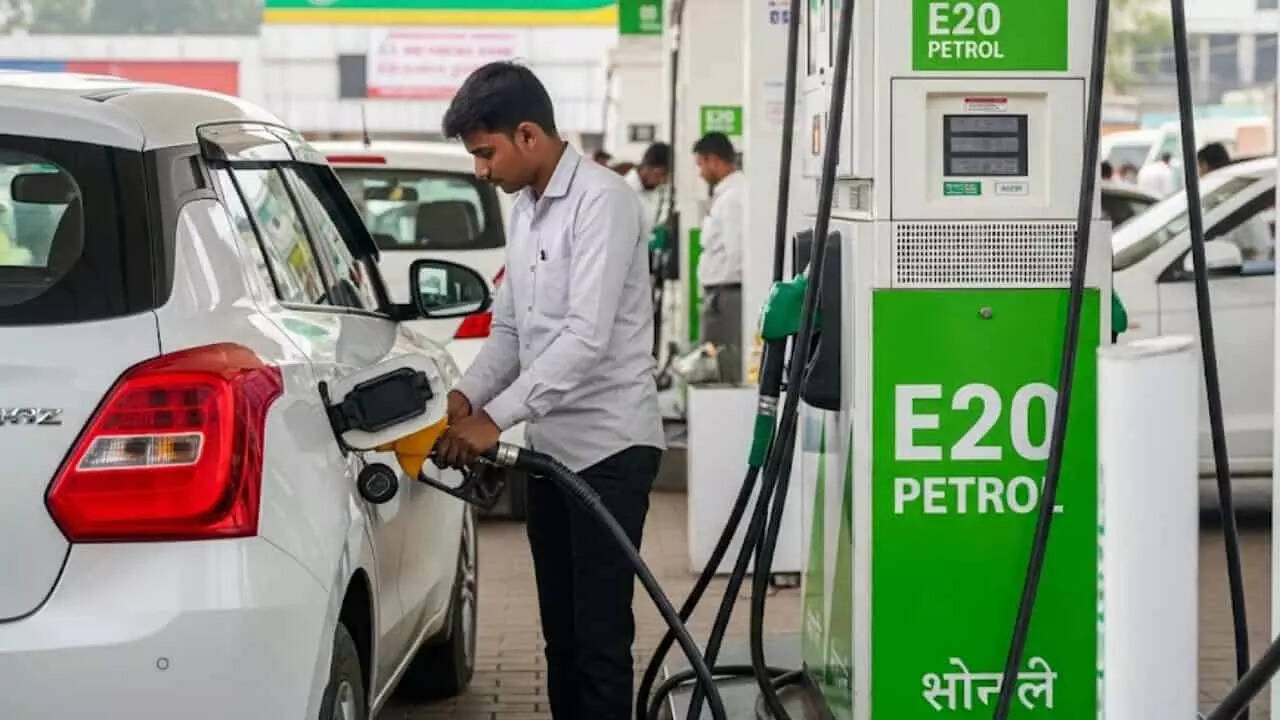
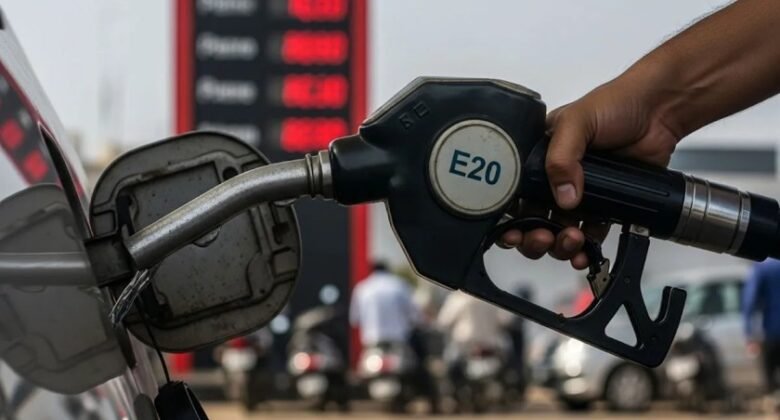
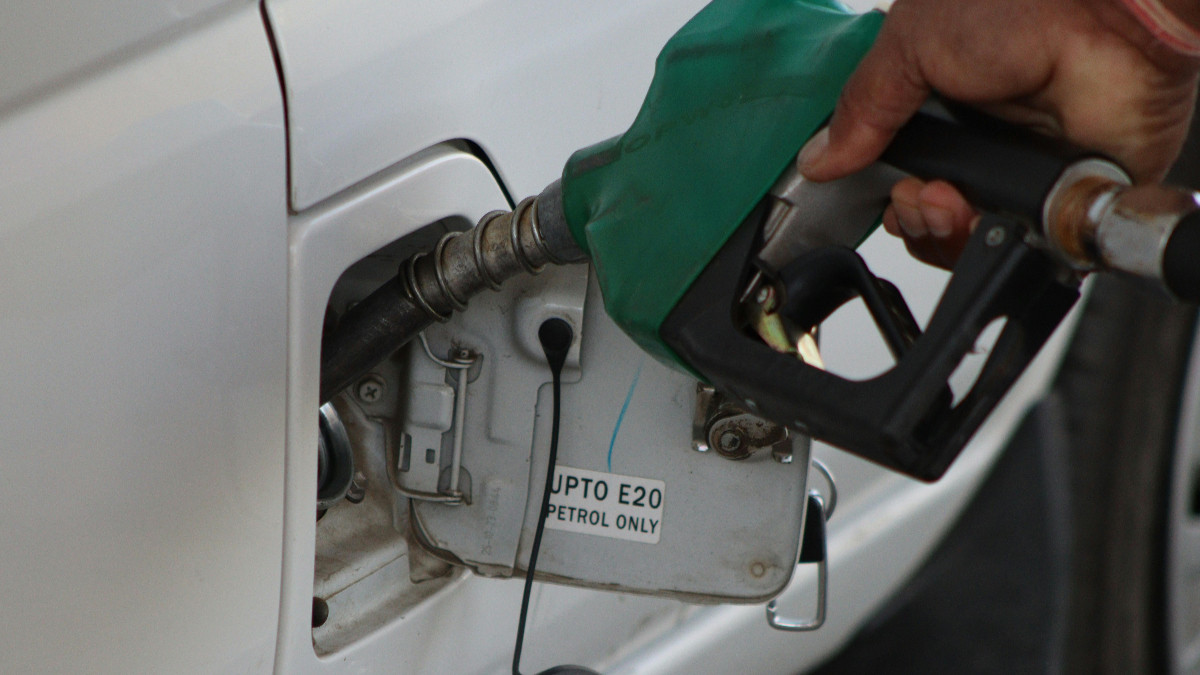
Now you must be wondering what is there in this petrol that has become a problem for old cars. In fact, the Indian automobile industry had made it mandatory to sell E20-compatible vehicles (supporting 20% ethanol mix petrol) in the country from April 2023. This simply means that most of the old vehicles running on the roads of the country today are not made to withstand this high-ethanol petrol.
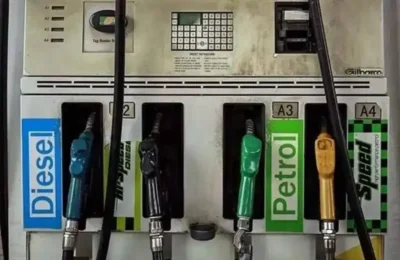
On the other hand, the problem is that today the supply of E20 petrol has been completed at almost all the petrol pumps in the country. It is now almost impossible to find old plain gasoline or E10 fuel without ethanol.
How Ethanol Damages Old Engines
Ethanol is a great boon for the environment, but it has enmity with old car engines. Ethanol is corrosive in nature. In engines which have not been designed accordingly, as soon as the petrol is consumed, it slowly starts melting the rubber seals, fuel lines and other important parts of the engine.
This damage does not appear in a day, rather it hollows out the vehicle like a termite. Apart from this, ethanol has less energy than normal petrol, due to which the mileage of your vehicle also drops slightly. Since this damage happens gradually, the insurance companies catch it at the time of claim and this is where the whole dispute starts.
Understanding Insurance Policy Rules
Last year, the government had made it clear that adding E20 petrol will not cancel or cancel anyone’s car insurance policy. But this statement of the government does not at all mean that the insurance company will give you a claim in case of engine damage.
There is a clause in the standard rules of insurance companies called ‘Consequential Damage’ (i.e. loss occurring gradually over time), and companies never pay claims for it. If you are confident that you have taken ‘Engine Protection Add-on’ in your policy and you are safe, then you are mistaken.
These extra covers are mainly for emergency situations like flood water ingress or sudden oil leakage and not for damage caused by chemical reaction of fuel or corrosion. In such a situation, if your car does not support E20, then the insurance company as well as the car manufacturing company can reject your warranty considering it as a piece of junk.
The Expensive Alternative
To avoid this big problem and invisible danger, ICICI Lombard had suggested a solution to the car owners that they should use premium grade petrol (such as XP95) in their old vehicles. This expensive petrol has low ethanol content and is considered safe for old engines. But this is not a permanent treatment and it is very heavy on the pockets of the middle class.
On the other hand, the central government is adamant on promoting ethanol mixed fuel at any cost. Recently, due to tension in West Asia, the prices of petrol and diesel have increased by ₹ 7.5 per liter. To provide relief to the general public and divert them towards ethanol, the government has completely abolished excise duty on petrol containing heavy ethanol like E22, E25, E27 to E30.
Now old vehicle owners are faced with a dilemma whether to save their monthly budget or keep the engine of their beloved car safe.