
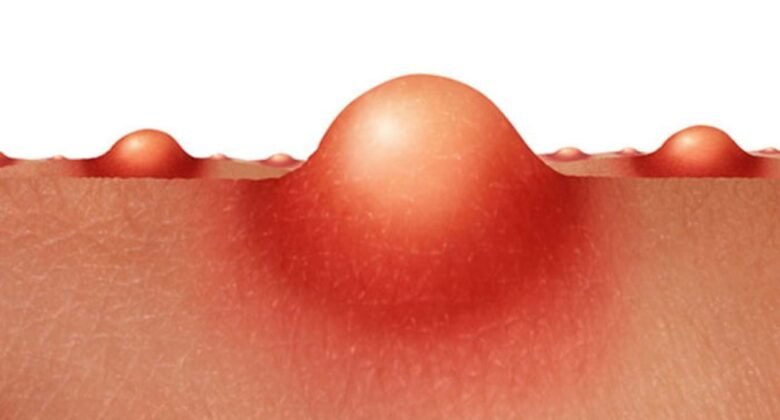
Understand vaginal acne causes, prevention and treatment options explained by expert
New Delhi: Bumps or pimple-like eruptions in the pubic region are often referred to as vaginal acne, but doctors say many of these are not true acne. Speaking about the condition, Dr Manini Patel, Senior Consultant, Obstetrics and Gynaecology, Apollo Spectra Hospital, Jaipur, explains that these usually include folliculitis, ingrown hair, razor bumps or skin irritation caused by friction, sweat and hair removal practices. While the condition is common, it can often be misunderstood and treated incorrectly. Understanding the actual cause is important to avoid repeated irritation and discomfort.
Vaginal acne explained by expert
What causes pubic area bumps
Dr Manini Patel says that what is commonly called vaginal acne is often not acne in the medical sense. She explains, “Many of these may not be true acne. They can be due to folliculitis, ingrown hair, razor bumps, sweat rash or skin irritation.”
She adds that folliculitis occurs when hair follicles become inflamed or infected, appearing as small pimples near the pubic area or bikini line.
Common triggers
Hair removal practices are among the leading causes. Dr Patel notes that shaving, waxing or using a blunt razor can irritate the skin and lead to ingrown hair or razor burns.
Other contributing factors include tight clothing, synthetic fabrics, excessive sweating, friction, poor hygiene and the use of scented products. In some cases, bacterial or fungal infections may also trigger similar bumps.
Why summer worsens symptoms
Hot weather often increases discomfort in the pubic region. According to Dr Patel, heat, sweat and friction can clog hair follicles and irritate the skin further. Tight clothing that traps sweat may also worsen folliculitis-like reactions.
She also highlights guidance from the American Academy of Dermatology, which notes that heat, sweat and rubbing can trigger acne-like breakouts in friction-prone areas.
Prevention tips for daily care
Dr Patel advises wearing loose, breathable cotton underwear, especially during summer. Keeping the area clean and dry, changing out of sweaty clothes quickly and avoiding scented soaps or harsh scrubs can help reduce irritation.
She also recommends proper shaving practices, including using a clean, sharp razor and shaving in the direction of hair growth. Picking or squeezing bumps should be avoided as it may worsen the infection or leave marks.
Treatment and when to seek medical help
Mild cases may improve with warm compresses, gentle cleansing and avoiding hair removal for a few days. However, medical attention is necessary if bumps are painful, filled with pus, spreading, recurring, or accompanied by fever, itching, unusual discharge or foul smell.
Dr Manini Patel explains that treatment depends on the cause and severity, adding that persistent folliculitis requires medical evaluation. Depending on the diagnosis, doctors may prescribe antibacterial, antifungal or anti-inflammatory medication.