Strait of Hormuz opened! On which 14 conditions did Iran agree?
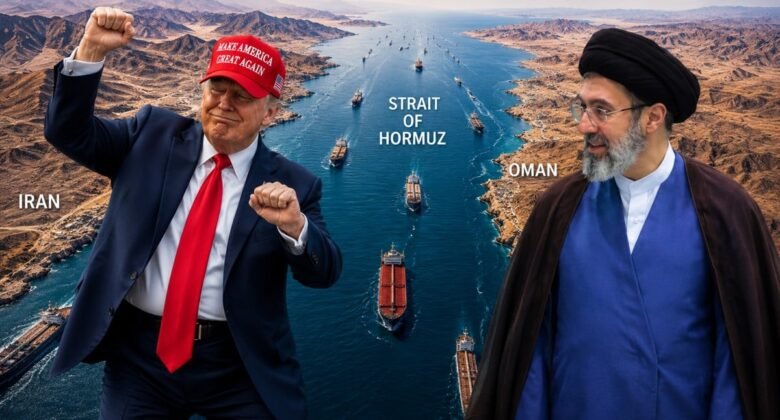
A significant development has emerged from intense negotiations and diplomatic efforts. After months of heightened tensions and conflict, the world has finally received the major update it has been awaiting. US President Donald Trump made a shocking announcement on Sunday, revealing that a peace agreement with Iran has been finalized. The most striking aspect of this agreement is the reopening of the Strait of Hormuz, widely regarded as the world’s lifeline for energy trade. Additionally, America is lifting its naval blockade with immediate effect.

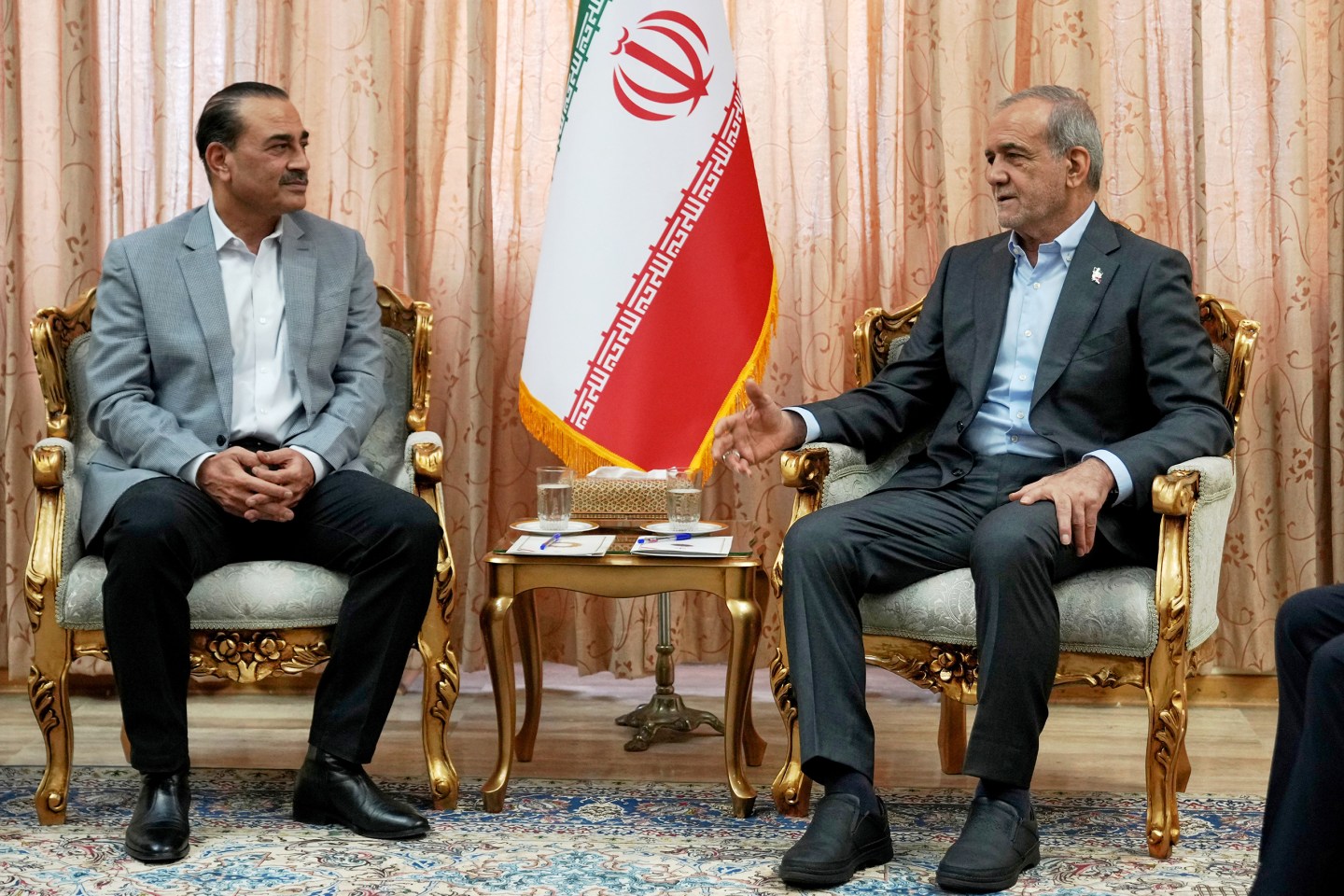
Trump conveyed the news through his social media platform Truth Social in powerful language, stating that the agreement with the Islamic Republic of Iran is now complete. He authorized the full opening of the Strait of Hormuz toll-free and the immediate lifting of the US naval blockade. Pakistan played a crucial role as the main mediator in these negotiations. Pakistan Prime Minister Shahbaz Sharif has confirmed this significant deal.
Key Terms of the Agreement
Both the US and Iran have agreed to immediately and permanently end their military operations on all fronts, including Lebanon. The Strait of Hormuz has been opened completely toll-free for all vessels without any charges or taxes. The US Navy’s siege of Iranian ports, which began in April, is being removed immediately.
Highlights of US-Iran Peace Agreement
The primary objective of this agreement is to stop hostilities and pave the way for a larger, more comprehensive accord. The deal focuses on three main elements: reopening the Strait of Hormuz, providing economic relief to Iran, and resuming talks on Tehran’s nuclear program. A 60-day timeframe has been established for negotiations on issues that have created differences between Washington and Tehran for an extended period.
It is important to note that this is not a final peace agreement. Rather, it is an interim framework designed to quickly de-escalate tensions and allow negotiators to work toward a more comprehensive agreement.
Reopening Hormuz and Restoring Oil Supplies
The Strait of Hormuz is a critical narrow sea route connecting the Persian Gulf to the Arabian Sea. Nearly one-fifth of the world’s oil trade passes through Hormuz, making it one of the world’s most important energy chokepoints. Any disruption in this vital passage could cause oil prices, shipping costs, and inflation in major economies to rise sharply.
Under the framework, Iran will reopen the strait to commercial shipping while the US will lift sanctions on Iranian ports. This step is expected to restore confidence in the energy market and help reduce fears of supply disruptions caused by the conflict. For countries like India, which are heavily dependent on imported crude oil, the reopening of Hormuz could help stabilize oil prices and reduce the risk of future energy shocks.
Nuclear Talks Resume
The nuclear issue remains the most sensitive aspect of US-Iran relations and will be crucial in determining whether this framework evolves into a permanent agreement. Iran has consistently maintained that its nuclear program is intended for civilian purposes only. However, the US and its allies contend that uranium enrichment to very high levels could significantly reduce the time required to develop nuclear weapons.
According to reports, under this framework, Iran has agreed not to produce nuclear weapons, not to pursue uranium enrichment during negotiations, and not to expand its nuclear facilities.
The 14-Point Framework
Neither the US nor Iran has released the full text of the draft memorandum to the public. News agency Reuters has independently reported on several key provisions but has not published the complete 14-point list. More detailed information has emerged primarily from Iranian media outlets, which describe the agreement as a comprehensive 14-point framework covering military, economic, and nuclear issues.
Based on those reports, the framework is said to include the following provisions:
- Immediate cessation of military operations
- Reopening of the Strait of Hormuz to commercial traffic
- Lifting of US sanctions on Iranian ports
- No new US sanctions during negotiations
- Temporary exemption for Iranian oil exports
- Release of frozen Iranian assets
- 60-day negotiation period
- Iran’s promise not to produce nuclear weapons
- Halt to further uranium enrichment increases
- Ban on expansion of nuclear facilities
- Talks on Iran’s enriched uranium stockpile
- Measures to reduce regional tensions
- Discussions related to economic recovery and reconstruction
- Negotiation of a final comprehensive agreement