
US-Israel Relations | Historic friendship on the verge of breaking, Iran peace deal creates deep rift between America and Israel
A historic and unexpected change is currently being witnessed in the geopolitics of West Asia (Middle East). The recently announced US-Iran peace deal has caused a rare and public rift in the decades-old and considered unbreakable relationship between Washington and Tel Aviv. The strategic partnership has now been replaced by sharp rhetoric and ideological differences between the two allies. US Vice President JD Vance’s strong defense of the agreement and open criticism of the Israeli leadership has made it clear that Washington is now changing its strategy regarding regional security. Vance’s statement that “military action alone cannot solve every security challenge” has become the biggest symbol of the growing tension between the US and Israel.
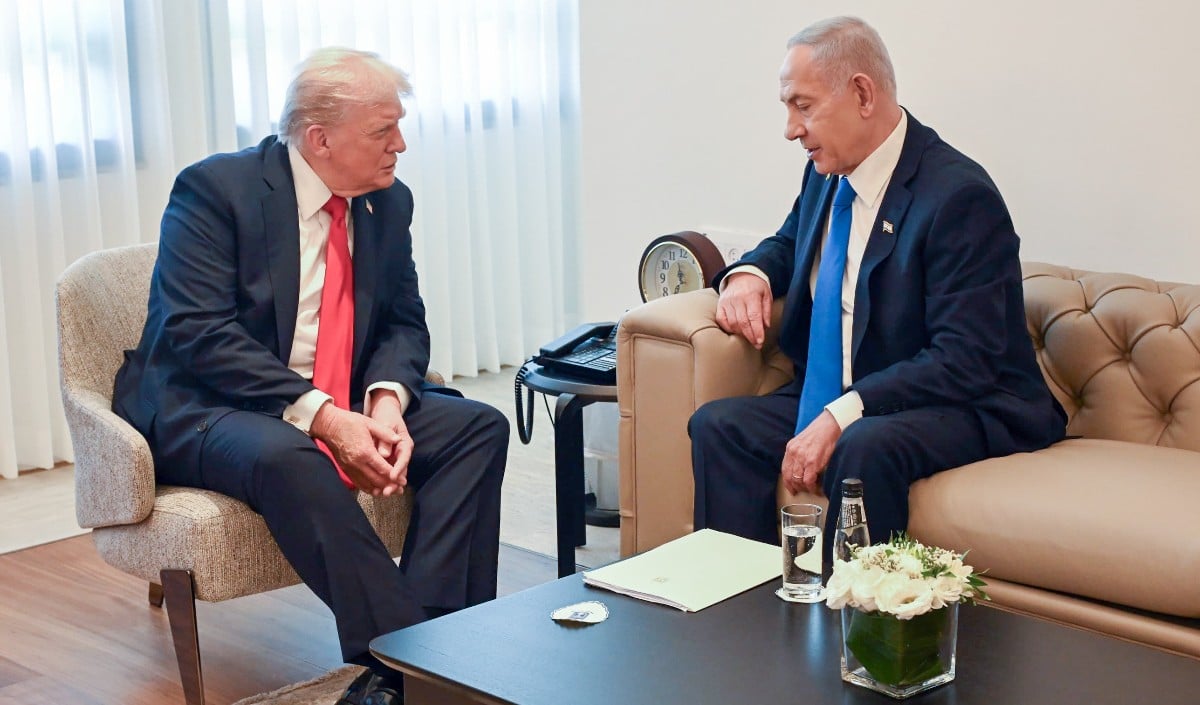
How is the Iran deal creating a rift in US-Israel relations?
Although the Trump administration has hailed the deal as a “major diplomatic breakthrough”, many Israeli leaders believe it “fails to address core concerns” over Iran’s missile program and nuclear ambitions.
Defending Donald Trump’s strategy, Vance reminded Israeli leaders that the United States remains Israel’s strongest and most influential ally. He argued that Israel cannot rely on military force alone to resolve every security threat and questioned what alternatives critics of the agreement were offering.
During a White House press briefing, Vance said, “Number 1: Donald J. Trump is the only head of state in the world who is sympathetic to Israel right now. If I were in the Cabinet of the Israeli government, So I don’t criticize the only powerful ally I have left in the whole world. Two-thirds of Israel’s defense weapons are American-made and paid for with American tax money.”
Vance said, “The problem for Israel is Donald J. Trump is not, and anyone in Israel who thinks their biggest problem is the American president needs to wake up and understand the current reality of the country.”
Speaking to The New York Times, Vance strongly criticized Israel’s National Security Minister Itamar Ben-Gvir and Finance Minister Bezalel Smotrich.
Vance said, “What is your exact proposal? You are a country of 90 lakh people. You can’t solve every national security problem just through violence or killing.”
Vance said, “I find this whole uproar in Israel a little strange because I think it stems from a sense of distrust, and I believe America has earned the trust of that area of the world.” Israel’s National Security Minister Itamar Ben-Gvir rejected Vance’s criticism and compared the threat posed by Iran to Nazi Germany, saying stronger military action was necessary.
Israeli officials have repeatedly said the deal does not adequately limit Iran’s missile capabilities nor provide any clear roadmap for dismantling its nuclear infrastructure.
Prime Minister Benjamin Netanyahu has also said that despite the agreement, Israel will continue security operations in southern Lebanon if needed. The controversy also highlighted the growing tension between Donald Trump and Benjamin Netanyahu Is.
For years, Netanyahu described Trump as one of Israel’s strongest supporters in the White House. However, recent weeks have seen heated exchanges between the two leaders. Trump has publicly criticized some of Israel’s military actions, particularly in Lebanon, and argued that they could harm ongoing diplomatic efforts.
He also suggested that Netanyahu should adopt a more restrained approach in dealing with regional threats. At the same time, Trump has stressed that his administration has done more for Israel than any previous US administration. Trump said, “There would be no Israel without me,” and said that no other American president was willing to take the steps in support of the country that he did. In the interview he also called Netanyahu “mad”.
peace agreement
The purpose of this agreement is to reduce tension in West Asia and prevent a major regional conflict. The war with Iran had already roiled global markets and disrupted energy supplies, especially after raising concerns over the strategic Strait of Hormuz shipping route.
Supporters of the agreement argue that diplomacy is the best way to prevent another protracted conflict. Critics, particularly in Israel, fear the deal gives Iran too much room to continue developing military capabilities.
The latest developments show that differences over Iran, Lebanon and regional security are creating deep cracks in a partnership long considered one of Washington’s most important alliances. As negotiations progress, the Iran deal Success or failure could play a major role in shaping future US-Israel relations.
Stay updated with on Just Abhi