
TakeMe2Space looks beyond satellites to orbital computing
For Ronak Kumar Samantray, India’s space revolution is not merely about rockets, satellites or spectacular missions. It is about building the infrastructure that will allow a much wider ecosystem to access and use space.
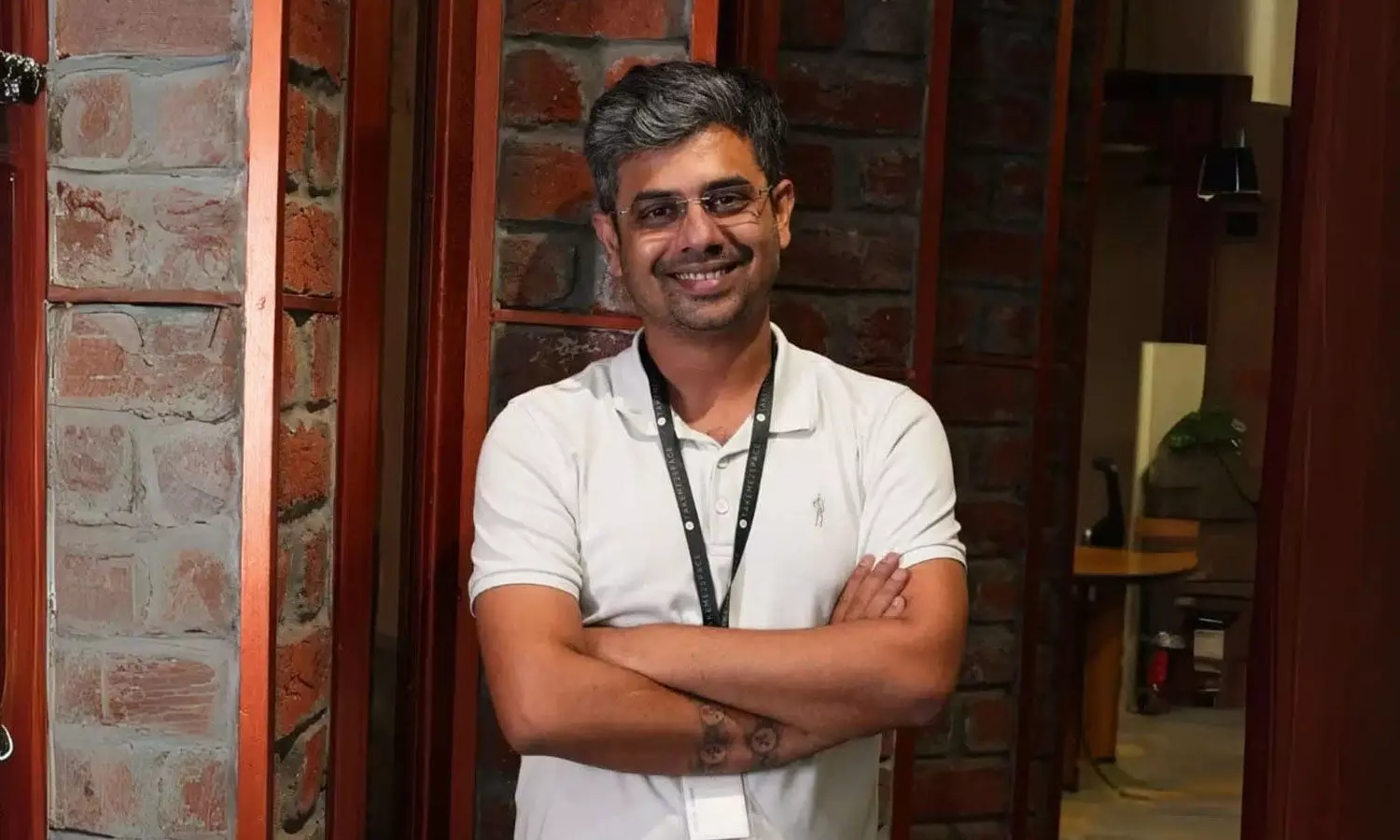
“Access to space should not be limited only to large agencies, elite institutions or very well-funded companies,” says Samantray, founder and CEO of TakeMe2Space. “If students, researchers, startups and enterprises can build software on Earth, they should also be able to test and run applications in space.”
That philosophy has shaped the company’s evolution. Starting with satellite subsystems, TakeMe2Space has moved into in-orbit computing, AI-enabled satellite systems and flight-proven hardware. One of its significant milestones is PowerBank-50, a satellite battery system that earned flight heritage aboard Skyroot’s Vikram-1 Mission ‘Aagaman’.
For Samantray, the significance of the achievement goes beyond a single product. “PowerBank-50 is not only a TakeMe2Space milestone. It is a signal that India can design, build and prove critical satellite hardware locally,” he says.
The achievement also addresses a broader challenge for India’s growing private space ecosystem: dependence on imported components. “Until now, many teams had to depend on imported systems, which often meant higher costs, longer lead times and supply-chain uncertainty,” Samantray says.
He believes indigenous capability has to extend across the space technology stack. “Atmanirbhar Bharat in space cannot only mean launching from India. It also has to mean designing, manufacturing, qualifying, integrating, testing and operating critical space technologies from India.”
For TakeMe2Space, the ambition is therefore larger than building individual products. The company wants to develop satellite power systems, computing platforms and other underlying technologies that can eventually support in-space computing and orbital data-centre infrastructure.
That ecosystem will also require a steady supply of specialised talent. TakeMe2Space currently has a 40-member team working across spacecraft engineering, embedded systems, electronics, mechanical design, thermal systems, software, AI and mission operations. But Samantray sees the opportunity extending well beyond the company’s own workforce.
“We feel the larger opportunity is talent creation,” he says. “Space cannot scale in India unless more young people get to build, test and understand what actually goes into a mission.”
The company has consequently been working with interns, young engineers, students and universities through initiatives such as university space labs and Remote Space Labs. The objective is to give the next generation hands-on exposure to space systems rather than leaving learning confined to classrooms.
India’s opening up of the space sector to private players has created opportunities, but Samantray believes the next phase must focus on scale. Space-tech, he points out, has long development cycles, extensive testing requirements and a longer path to commercial returns.
His larger vision takes that long-term approach further. “When we say orbital data centres, we are looking at both compute and storage in space,” he says. The objective is to create an infrastructure layer where data can be processed, stored and moved closer to where it is generated. For that to become commercially viable, he says, the industry will need reliable subsystems, flight heritage, indigenous supply chains, better testing and lower launch friction.
“Five years from now, I see TakeMe2Space as one of the Indian companies building the backbone for orbital computing,” Samantray says.