Pakistan now tastes the bitter lesson of Trump’s unpredictable nature, surprises Shahbaz by making direct Iran-US deal
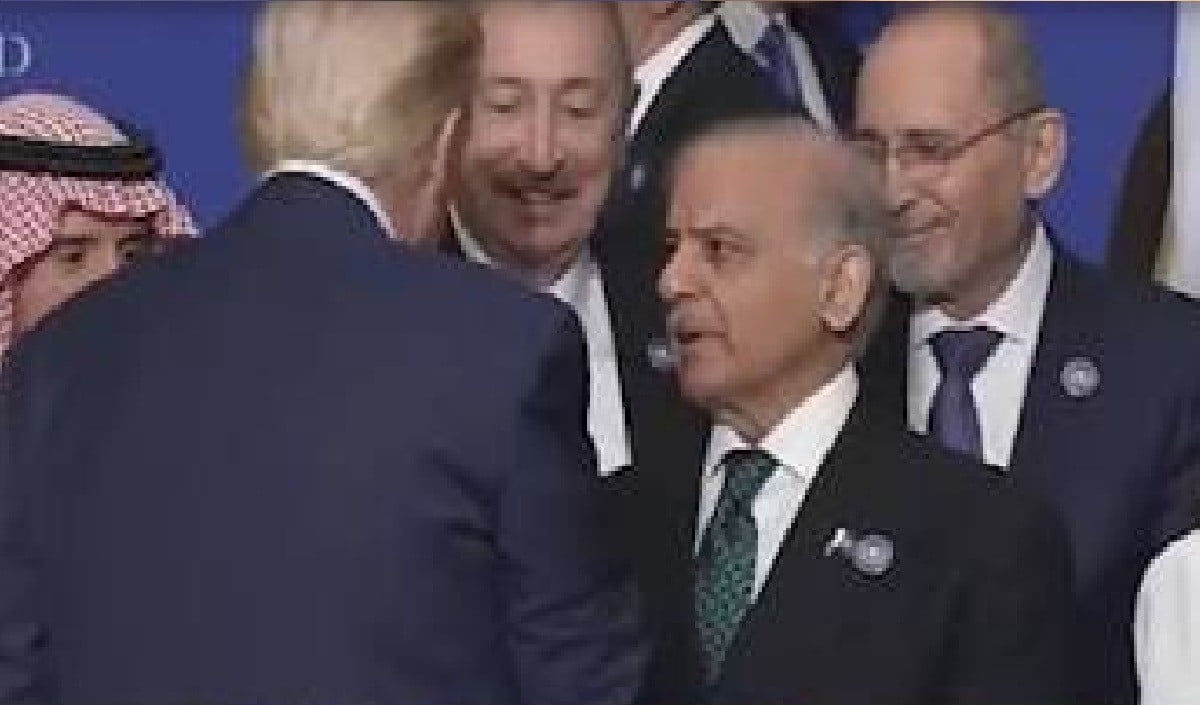
Critics of the Modi government inside and outside India have been raising questions on its foreign policy. These critics were amused when the US used Pakistan as a mediator in the Iran-US-Israel conflict. The Indian opposition was also mocking how Pakistan had taken center stage by holding preliminary talks in Islamabad on April 11-12. But Field Marshal Asim Munir and Pakistan Prime Minister Shehbaz Sharif have now realized the dangers of working with America's volatile president, as Pakistan and its supporters were left in the lurch when Donald Trump signed the interim peace deal during a lavish dinner at Versailles on June 17 and canceled the formal signing ceremony scheduled for June 19 in Switzerland. Even the peace agreement (MoU) was signed secretly and digitally between the leaders of America and Iran, while Pakistan was not allowed to have even a clue about it. In fact, Prime Minister Sharif and Foreign Minister Munir had already packed their bags to go to Switzerland, but President Trump badly embarrassed them by signing the agreement in front of French President Emmanuel Macron in a historic palace. The matter did not end here.
On the same day, disappointing PM Modi's critics and supporters of Pakistan, President Trump praised PM Modi and even said that America would come forward to help if he was attacked in future. He also said that it is for India to decide whether it wants to play any role in maintaining peace in the Middle East or not, because India is a global player. Is. Even if India did not take President Trump's words completely seriously, the events of June 17 gave Sharif a strong slap on the face; He had to cancel his trip to Switzerland and praise the interim peace agreement while sitting in his office in Islamabad. Now this interim agreement will be called 'Versailles Agreement' instead of 'Islamabad Declaration', whereas Shehbaz Sharif and Trump's favorite Field Marshal Munir had hoped that it would be called 'Islamabad Declaration'. In the case of Iran, America's second mediator, Qatar, showed wisdom and remained behind the scenes instead of speaking loudly like Pakistan and its supporters.
In the bilateral meeting held in Evian, President Trump indicated to continue normal work with India, while in the G-7 Summit, the Indian Prime Minister's behavior was polite and respectful, but he was not seen flattering at all in front of the top leaders of the summit. In fact, in addition to the red-carpet welcome he received from his friend Emmanuel Macron, Canadian Prime Minister Mark Carney, EU President Ursula von der Leyen, UAE President M.B. Zaid, UK PM Keir Starmer and Italy PM Giorgia Meloni also praised PM Modi. PM Modi also met Japanese PM Sanae Takaichi during the G-7, and the Japanese leader is expected to visit India soon.
India and America hold the same opinion on the Iran nuclear issue and freedom of navigation in the Strait of Hormuz. PM Modi praised Trump for making a peace deal with Iran and preventing a full-scale energy crisis. Even though India and America are trying to reach a trade agreement as soon as possible But India has learned to deal with President Trump—taking it one day at a time. Now Pakistanis will also understand this.