Brainstorming in UAE’s International Roundtable, will AI be able to stop Humanitarian Crisis?
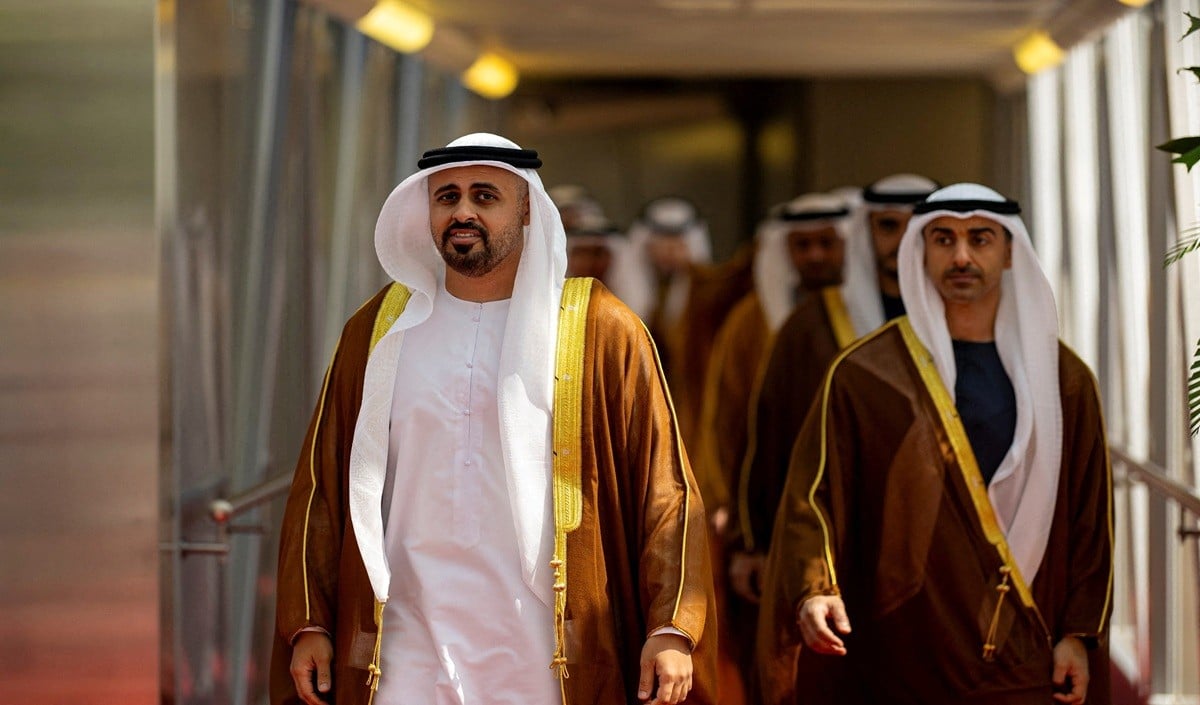
An international roundtable titled 'Humanitarian Aid Predictive Landscape Roundtable' was held at the Zayed National Museum in Abu Dhabi. The event was organized by the Development Affairs Office of the Presidential Court, under the supervision of Theeb bin Mohammed bin Zayed Al Nahyan, Deputy Chairman of the Presidential Court for Development and Martyred Heroes Affairs. The aim was to discuss ways to bridge the gap between predicting humanitarian crises and taking immediate relief action. The event concluded with many great ideas and proposals. The event was attended by leading global experts in the field of humanitarian work and Artificial Intelligence (AI), representing several international organizations.
In his opening remarks, Omar Sultan Al Olama, Minister of State for Artificial Intelligence, Digital Economy and Remote Work Applications, emphasized that Artificial Intelligence is opening up new possibilities for the humanitarian sector and strengthening the ability to anticipate and better respond to crises. He said the advanced analytical and predictive capabilities of today's technology help humanitarian organizations better understand challenges before they arise and anticipate future needs. Al Olama said that in the times to come, there will be a change in the way humanitarian priorities are set and international efforts are coordinated. This change will be due to advanced technology, which will help communities and face difficult situations. This will make it possible to adopt more effective methods to increase resilience.
He stressed that the future of Artificial Intelligence (AI) depends on large-scale collaboration between governments, international organizations, the private sector and technology institutions to ensure that these tools are used for the good of humanity. He said that the real success of AI lies in its positive impact on society. Speaking about the roundtable and its importance, Jan Relander, Head of Resilient and Sustainable Development Strategies at the OECD Development Centre, said: “AI should be governed by clear principles – such as transparency, fairness and accountability – so that it serves the public interest rather than harming it.
At the roundtable we discussed many aspects of the relationship between projections and action, including its operational and institutional aspects. In my opinion, one area that needs urgent attention is climate resilience planning – that is, understanding how climate risks are changing, and this understanding is important down to the local level, where people live. Greg Poole, head of climate and innovation at the UN Office for the Coordination of Humanitarian Affairs, said many humanitarian disasters are predictable. “We have new and powerful tools to improve the way we predict disasters, yet too often our humanitarian aid system only responds after a crisis has occurred.