
Amazon’s AI Data Centre Faces Major Pollution Concerns
The rapid growth of AI is forcing tech companies to solve a problem that has little to do with software: how to secure enough electricity to run the massive data centres that underpin AI services. Amazon is tackling this challenge with a major energy project in West Texas. The company is developing a natural gas plant called GW Ranch next to a large data centre in Pecos County. However, the project has drawn attention due to the amount of pollution it could generate.
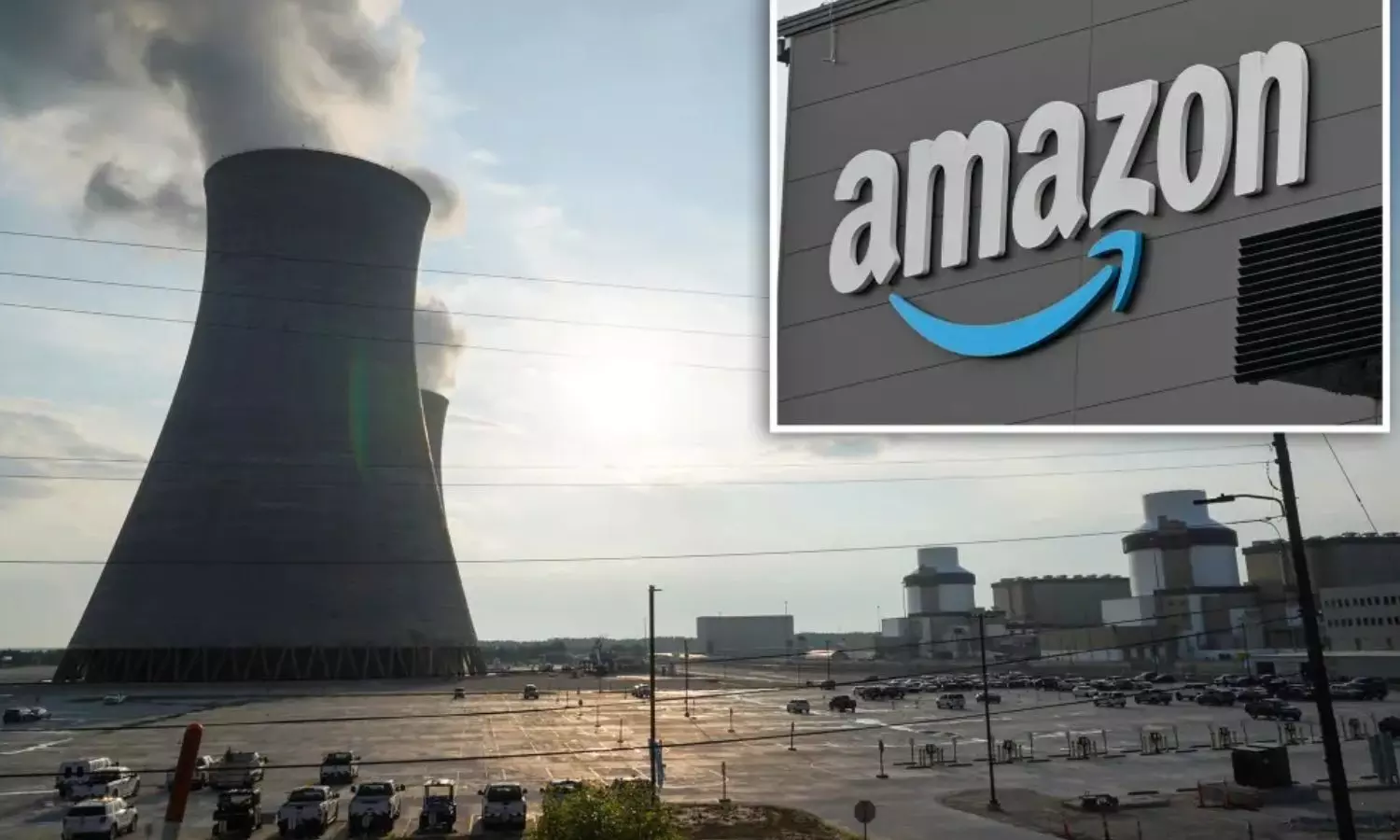
GW Ranch is expected to feature 35 natural gas turbines with a combined capacity of approximately 7.65 gigawatts. Amazon has acquired the property and plans to purchase the electricity generated by the facility. Much of that energy is expected to go directly toward powering Amazon’s data centre, rather than being supplied to homes and businesses general power grid.
The plant could be permitted to emit 33 million tons of CO2
The project’s potential emissions are the primary source of concern. According to Clean view—a tool that monitors data centres and the energy infrastructure built to supply them—GW Ranch has obtained a permit in Texas authorizing it to emit up to 33 million tons of carbon dioxide. This is an extraordinary figure. The authorized volume exceeds the emissions limit set for the largest coal-fired power plant in the United States. However, the 33-million-ton figure represents a maximum permitted limit and does not necessarily mean the plant will emit that amount of CO2; actual emissions will depend on the facility’s operating intensity. Even so, the scale of this limit illustrates the environmental impact that powering a single AI-focused data centre can entail.
Amazon’s project is also part of a broader transformation within the tech sector. AI systems require immense computing power, and the servers handling these workloads consume significant amounts of electricity. As companies race to build more AI infrastructure, securing a reliable energy supply has become an increasingly critical part of their expansion plans. Rather than relying entirely on existing power grids, some companies are considering their own on-site power generation facilities. Google and Meta have also explored using gas and other energy sources to meet the growing demands of their data centres. For Amazon, this situation creates an awkward contrast with its climate goals. Its founder, Jeff Bezos, previously pledged that the company would reach net-zero carbon emissions by 2040. However, Amazon’s emissions have risen in recent years as the company has expanded its operations and invested heavily in data centres and artificial intelligence.
Amazon maintains that its climate commitment remains unchanged despite the shifting energy landscape. Company spokesperson Margaret Callahan told a famous publication, “The world is different now than when we co-founded The Climate Pledge,” adding that “our commitment has not changed.”
Amazon’s data centres also consume billions of gallons of water
The environmental impact of Amazon’s AI infrastructure extends beyond carbon emissions. The company reported that its global data centre operations withdrew approximately 2.5 billion gallons of water in 2025. To put this in perspective, that amount would be enough to supply about 13 million people with 2 litres of water daily for a full year. Amazon noted that direct water consumption at its owned and operated data centres decreased by 2% compared to 2024, despite the expansion of its data centre network. The company also reported consuming about 0.12 litres of water per kilowatt-hour of electricity used by its data centres in 2025—a figure it claims is more efficient than the industry average. Some of its facilities use treated wastewater instead of potable water.
Data centres primarily require water to prevent their powerful computing systems from overheating. Amazon states that its facilities can rely on outside air for cooling nearly 90% of the time, using water-based evaporative cooling systems during hotter periods.
The company has also pledged to return more water to communities than its direct operations consume by the end of this decade.
What exactly is a data centre?
A data centre is basically a building filled with computers, servers and storage devices that help digital services work. Every time someone watches a video pays using UPI puts a picture in the cloud. Talks to an AI chatbot data has to be handled and kept somewhere. As AI tools get stronger and more common the systems needed to support them are expanding fast. Amazons new project, in Texas shows how big this growth is and what kind of impact it can cause.