
UPI may no longer remain free as LS clears amendment
The Lok Sabha on Thursday passed a Bill amending the Payment and Settlement Systems Act, 2007, empowering the Central government to allow banks and payment service providers to levy charges on Unified Payments Interface (UPI) and other notified digital payment modes.
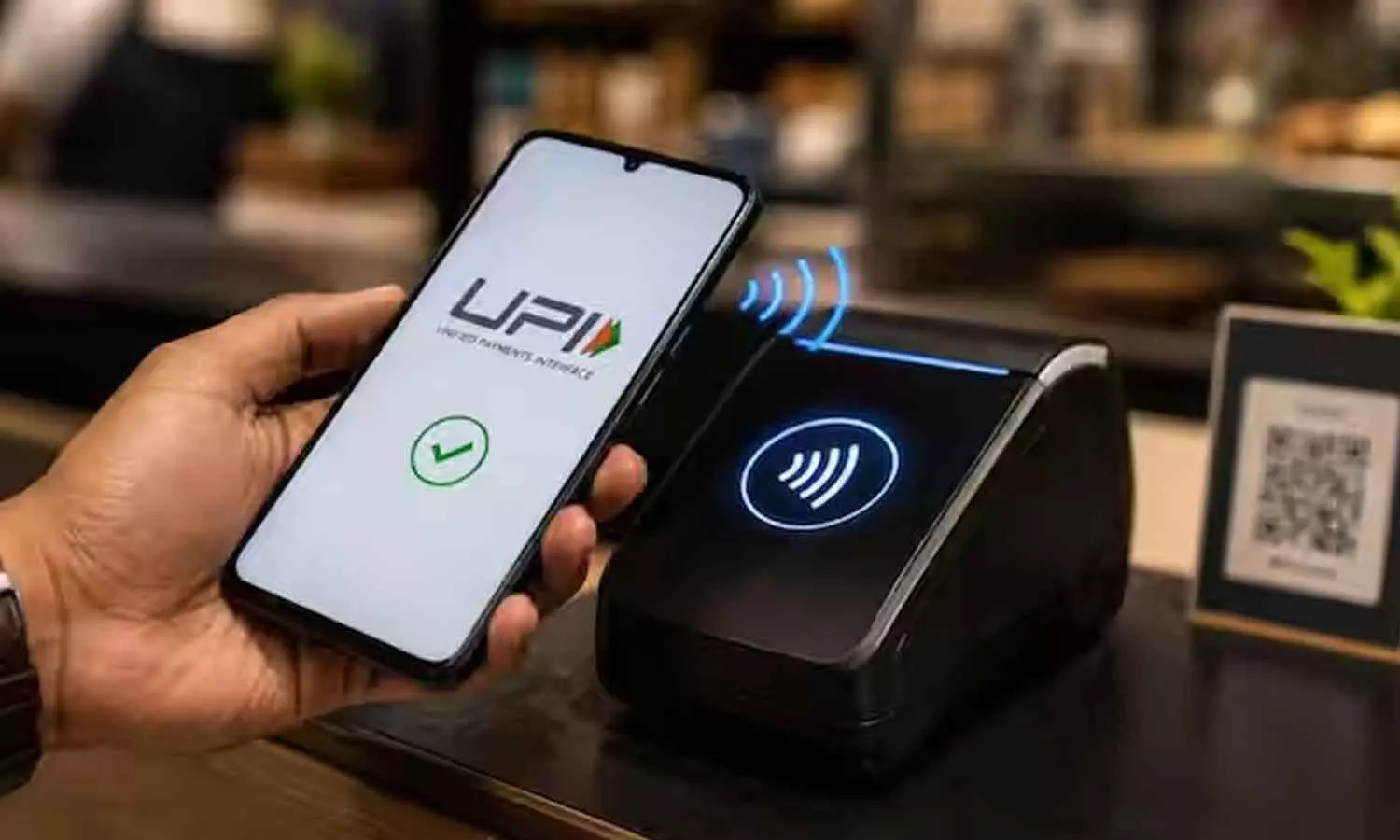
Passed by voice vote amid din, the amendment removes the existing legal restriction that barred banks and payment service providers from imposing Merchant Discount Rate (MDR) on electronic payment modes covered under Section 269SU of the Income Tax Act.
The amendment is part of the Taxation and Other Laws (Amendment) Bill, 2026, introduced earlier this week. It replaces the reference to electronic payment modes prescribed under the Income Tax Act with “one or more electronic modes of payment as the Central government may, by notification, specify.” This gives the government flexibility to decide which payment modes could attract charges.
At present, banks levy service charges on payment systems such as RTGS and NEFT, while UPI transactions remain free.
The amendment itself does not impose MDR but authorises the government to notify charges in future. Industry stakeholders have long argued that banks and payment firms require a sustainable revenue model to support the rapidly expanding digital payments ecosystem.
Speaking a day earlier, RBI Governor Sanjay Malhotra said it was premature to conclude that MDR would be introduced immediately. However, he stressed that digital payment infrastructure entails significant costs and that someone must bear them.
According to Malhotra, the options are either to fund the infrastructure through taxpayers’ money or follow a “user pays” model by levying MDR.