
Recognising stroke: Every second counts
Published: October 28, 2026 11:57 AM IST
Updated: October 28, 2026 12:05 PM IST
Stroke is increasingly affecting people across all age groups. Various factors, including lifestyle changes and lack of physical exercise, can contribute to the risk of stroke. Recognising the symptoms at the earliest and rushing the patient to a hospital equipped with stroke care facilities without any delay are crucial. The first step is to understand the warning signs and identify a possible stroke.
Warning signs of stroke
The symptoms of stroke can often be recognised suddenly. They include:
If any of these symptoms appear, the patient must be taken to the Emergency Department immediately.
Rush the patient to the emergency department
Patients with suspected stroke should be taken immediately to the Emergency Department of a hospital equipped with CT scanning and other necessary facilities. With every passing moment after a stroke, brain cells continue to die.
As soon as the patient reaches the Emergency Department, the stroke management team coordinates the necessary investigations and initiates treatment. Brain imaging is performed as quickly as possible, with the aim of completing the initial assessment and CT scan within minutes of arrival.
A CT scan is generally the first investigation. In certain cases, an MRI scan may also be required. These investigations help determine whether the stroke is ischaemic or haemorrhagic, assess its severity and identify the extent of any blockage in the blood vessels.
If an ischaemic stroke is suspected, further vascular imaging, such as CT angiography, may be performed to identify the blocked blood vessel. In selected cases, MRI may be more appropriate, particularly for patients who experience a stroke during sleep or arrive at the hospital several hours after symptom onset. Other medical conditions, including heart disease, are also assessed before deciding on the appropriate treatment.
Emergency treatment
If the stroke is caused by a blood clot blocking a blood vessel supplying the brain, doctors from the Emergency Medicine and Neurology departments assess whether the patient is eligible for clot-dissolving treatment.
This treatment, known as thrombolysis, uses medication to dissolve the blood clot and restore blood flow to the brain. It is administered only to eligible patients after careful assessment of the potential benefits and risks.
Thrombolysis is generally considered within the first 4.5 hours after the onset of symptoms in eligible patients. In selected cases, advanced imaging may help doctors identify patients who could benefit from treatment even beyond this period.
This highlights the importance of recognising stroke symptoms promptly and seeking medical attention without delay.
Further treatment
Following thrombolysis, the medical team assesses the patient’s condition and determines whether additional treatment is necessary. Vascular imaging, including digital subtraction angiography (DSA), may be used to evaluate the blood vessels and identify any remaining blockage.
If a major blood vessel remains blocked, the patient may be considered for mechanical thrombectomy, a procedure in which the clot is physically removed from the affected blood vessel. This procedure is performed by the Interventional Neuroradiology team.
If the patient’s level of consciousness deteriorates or there are changes in blood pressure, breathing or other vital functions at any stage, life-support measures, including ventilatory support, may be required.
Patients whose brain scans reveal bleeding are managed in consultation with neurosurgeons. Depending on the patient’s condition, treatment may include measures to control blood pressure, prevent or manage seizures and provide appropriate neuroprotective and supportive care under the Emergency Medicine team’s supervision.
The critical time window in stroke
Time is brain. Immediate treatment is essential to minimise brain damage and improve the chances of recovery. Every minute of delay can result in the loss of more brain cells.
Recognising the warning signs, reaching a stroke-ready hospital immediately and initiating appropriate treatment as early as possible can make a significant difference to the patient’s recovery and quality of life.
Remember: Never ignore sudden weakness, facial drooping or difficulty speaking. Seek emergency medical attention immediately.
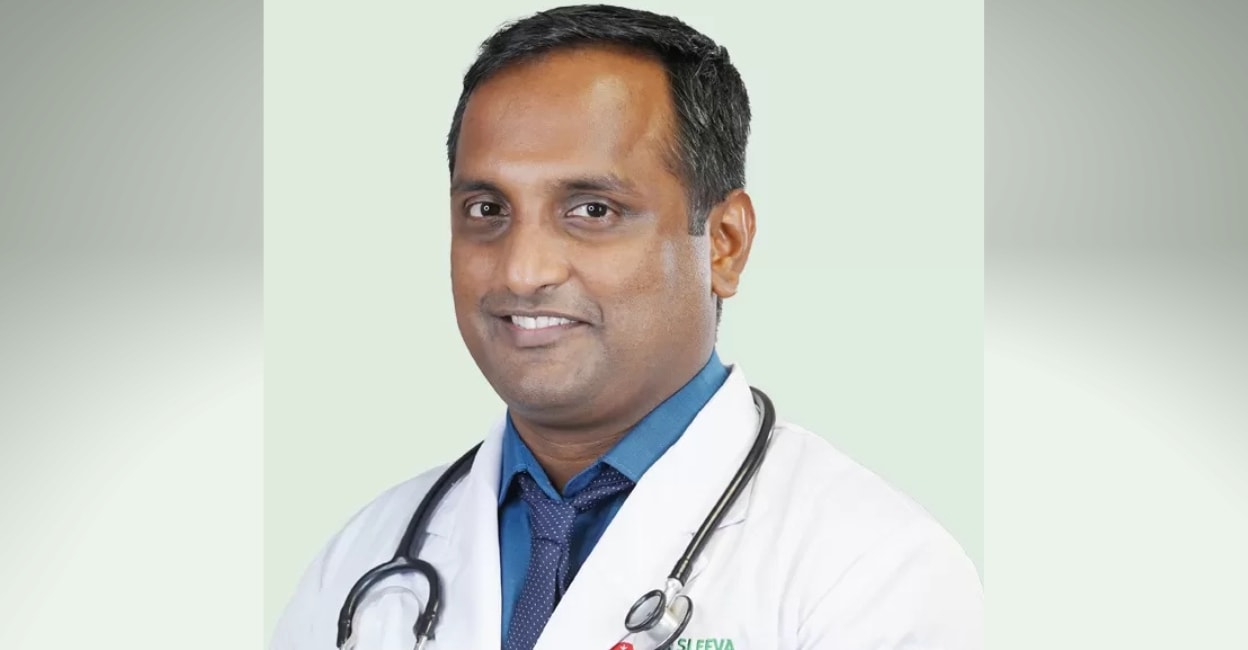
(The author is Consultant & Head, Department of Emergency Medicine, Mar Sleeva Medicity, Pala)