
Polymer currency push to boost speciality plastics
The Reserve Bank of India’s plan to introduce polymer currency notes by FY28 could give India’s plastics industry a new specialised market, with domestic manufacturers potentially supplying materials and technologies required for banknote production.
RBI Governor Sanjay Malhotra said trials of polymer notes were underway and the central bank would assess their performance before deciding on wider circulation. The government has approved trials of one billion Rs 10 and one billion Rs 20 polymer notes.
The proposed rollout is significant for the polymer industry because wider adoption could create demand for banknote-grade polymers, specialised films, precision processing, security features and recycling, according to Anil Reddy Vennam, Senior Vice-President, All India Plastics Manufacturers’ Association (AIPMA).
“This can create a new high-value segment for the polymer industry. India already has a strong plastics manufacturing base, and the development of banknote-grade polymer could encourage companies to invest in specialised materials, processing and related technologies,” he said.
The introduction of polymer notes is a positive development, particularly because lower-denomination notes undergo a lot of handling and wear and tear, he said.
The opportunity for the industry would extend beyond supplying polymer material. “Polymer notes require specialised technology and quality standards. If these capabilities are developed domestically, the opportunity will extend beyond the supply of raw material and create a wider ecosystem,” he said.
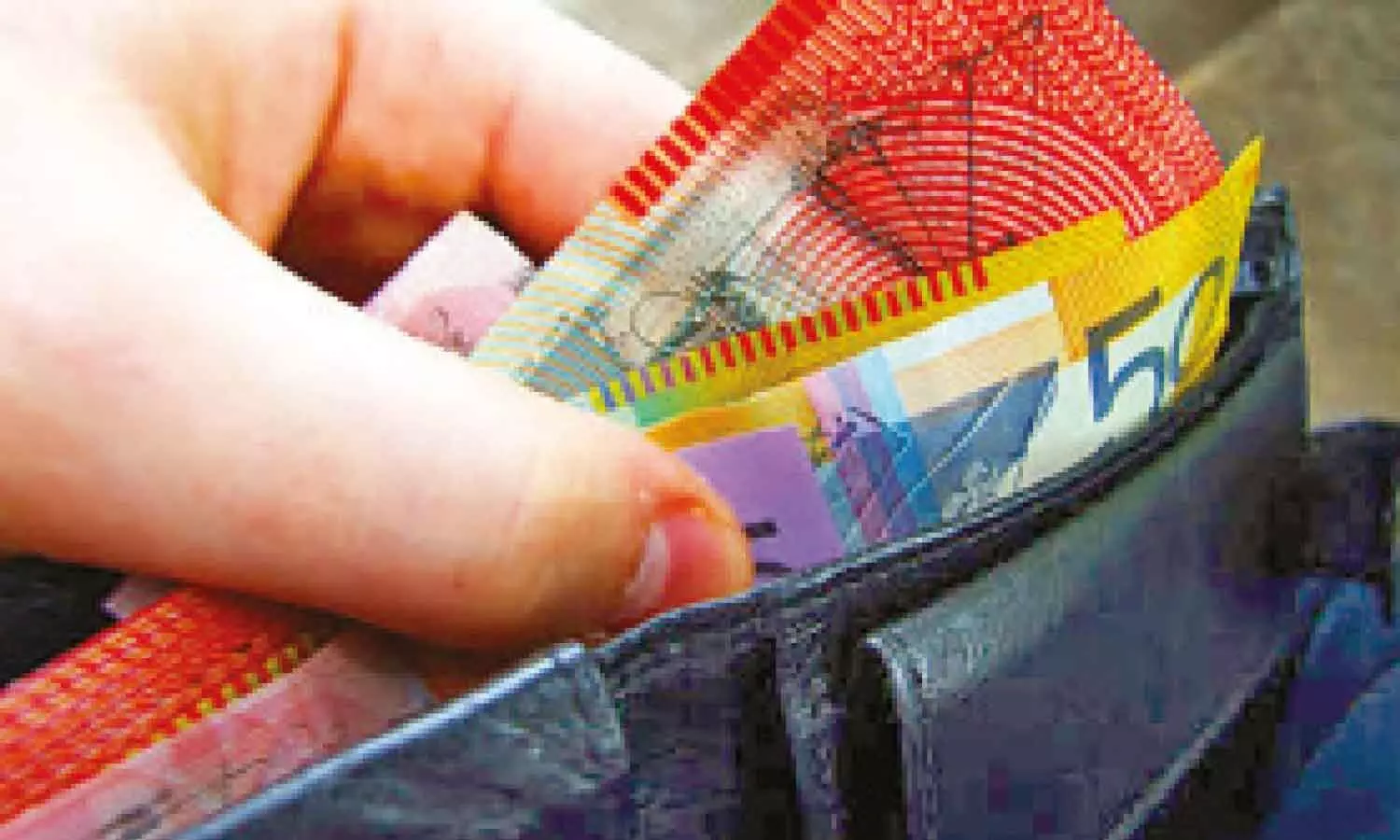
Polymer banknotes are already used in Australia, Canada, New Zealand, Singapore and the UK, offering greater resistance to water, dirt and wear while allowing advanced security features such as transparent windows.
Anil Reddy said polymer currency could have a longer circulation life than conventional paper notes, helping offset the initial production costs. “The cost difference is not significant. It could be around 5 to 10 paise, but the higher lifespan of polymer notes can compensate for the additional production cost,” he said.
The economics of polymer currency should therefore be assessed over the entire lifecycle of a banknote rather than merely by comparing the cost of producing one note, Anil Reddy said. “If a polymer note stays in circulation for a much longer period, the requirement to print replacement notes comes down. That can result in savings for the currency management system,” he said.
India could also benefit from the technology beyond currency management. “This can create opportunities for domestic manufacturers in specialised polymers, processing and recycling. India already has a strong plastics manufacturing ecosystem, and this could open a new high-value segment,” he said.
Polymer notes are also resistant to water, dirt and moisture and can incorporate advanced security features such as transparent windows, making them potentially more durable and difficult to counterfeit.