
Managing diabetes during the festive season: Balancing fasting and feasting
Festivals bring families together over traditional sweets, elaborate meals and religious fasting. For people living with diabetes, however, changes in eating patterns, medication schedules and sleep routines can make blood sugar management more challenging. Doctors advise planning ahead, monitoring glucose levels and making mindful food choices to enjoy celebrations without compromising health.
Dr K Usha Rani, Senior Consultant – General Physician at Aster Prime Hospitals, Ameerpet, Hyderabad, said people with diabetes should consult their doctors before undertaking a fast. Fasting can increase the risk of both low and high blood sugar, particularly among those taking insulin or certain diabetes medications. Any changes to medication or dosage should be made only under medical supervision.
Regular blood sugar monitoring is essential during fasting and festive meals. Symptoms such as dizziness, sweating, weakness and confusion may indicate low blood sugar and require immediate attention. People should follow their doctor’s advice on when to break a fast and should not continue fasting if it becomes unsafe.
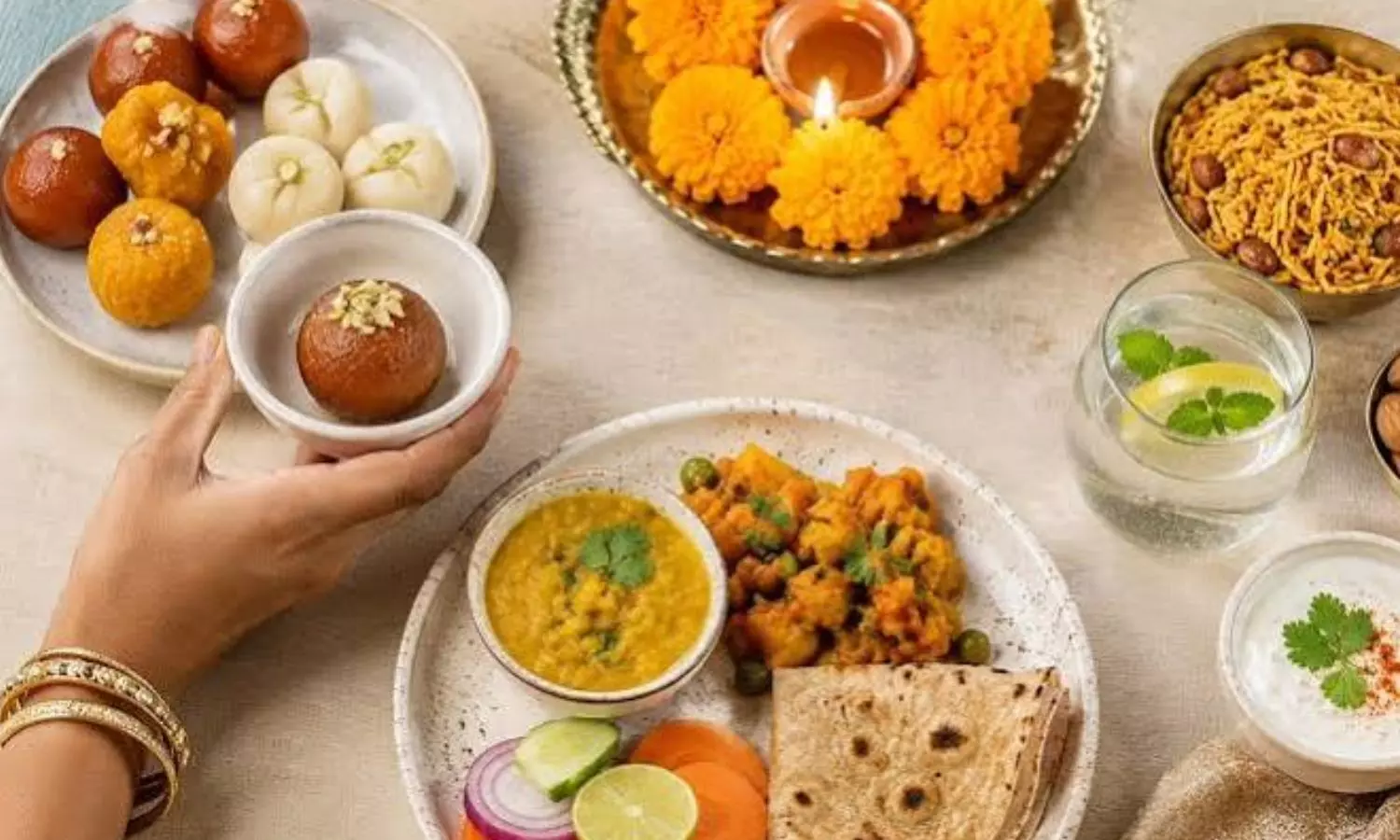
Food choices during festivals also require attention. Dr Usha Rani recommends controlling portion sizes and limiting foods high in sugar and refined carbohydrates. Including vegetables, whole grains, lentils, protein-rich foods and fibre in meals can help support better glucose management. Sugar-free or sugar-substitute sweets may be considered occasionally, but their suitability and overall carbohydrate content should also be taken into account. Sugary drinks and fruit juices are best avoided, while adequate water intake remains important.
Dr Ranjeet Singh, HOD and Professor, Department of General Medicine, Noida International Institute of Medical Sciences (NIIMS) College and Hospital, similarly emphasised the need for preparation before religious fasting. People taking insulin or medicines such as sulfonylureas should seek medical advice in advance to determine whether their medication schedules need adjustment. They should never stop or change prescribed medication without consulting their doctor.
Dr Singh also recommends eating balanced meals in moderate portions and avoiding excessive consumption of sweets and fried foods. Drinking sufficient water when permitted, getting adequate sleep and taking a walk after meals can further support blood sugar management. Consistency in meal timings, wherever possible, can help reduce unexpected fluctuations.
Dr Monika Sharma, Senior Consultant – Endocrinology at Aakash Healthcare Super Speciality Hospital, noted that fasting and feasting can place additional demands on the body. Extended gaps between meals may increase the risk of hypoglycaemia for some patients, while large meals after fasting can cause sudden glucose rises. Dehydration and disrupted sleep may further complicate management.
Dr Sharma advises breaking a fast carefully, monitoring blood sugar more frequently when recommended and treating symptoms such as dizziness, sweating or confusion as warning signs. At festive gatherings, eating a balanced meal beforehand, choosing smaller portions and having sweets in moderation after a meal may help avoid overeating. A short walk after eating can also be beneficial, depending on individual health and medical advice.
Doctors agree that diabetes management during festivals does not necessarily mean giving up traditional foods or celebrations. Instead, planning meals, staying hydrated, maintaining suitable activity levels and following prescribed treatment are essential. With individualised medical guidance and consistent monitoring, people with diabetes can participate in festivities while prioritising their long-term health.