
Imran Khan Asked To Leave India By October 28 After Anti-CEC Protest, Mumbai Police Invoke Immigration Law
Actor Imran Khan, nephew of Bollywood superstar Aamir Khan, has reportedly been directed to leave India by October 28 after participating in a protest against Chief Election Commissioner (CEC) Gyanesh Kumar in Mumbai on October 10.
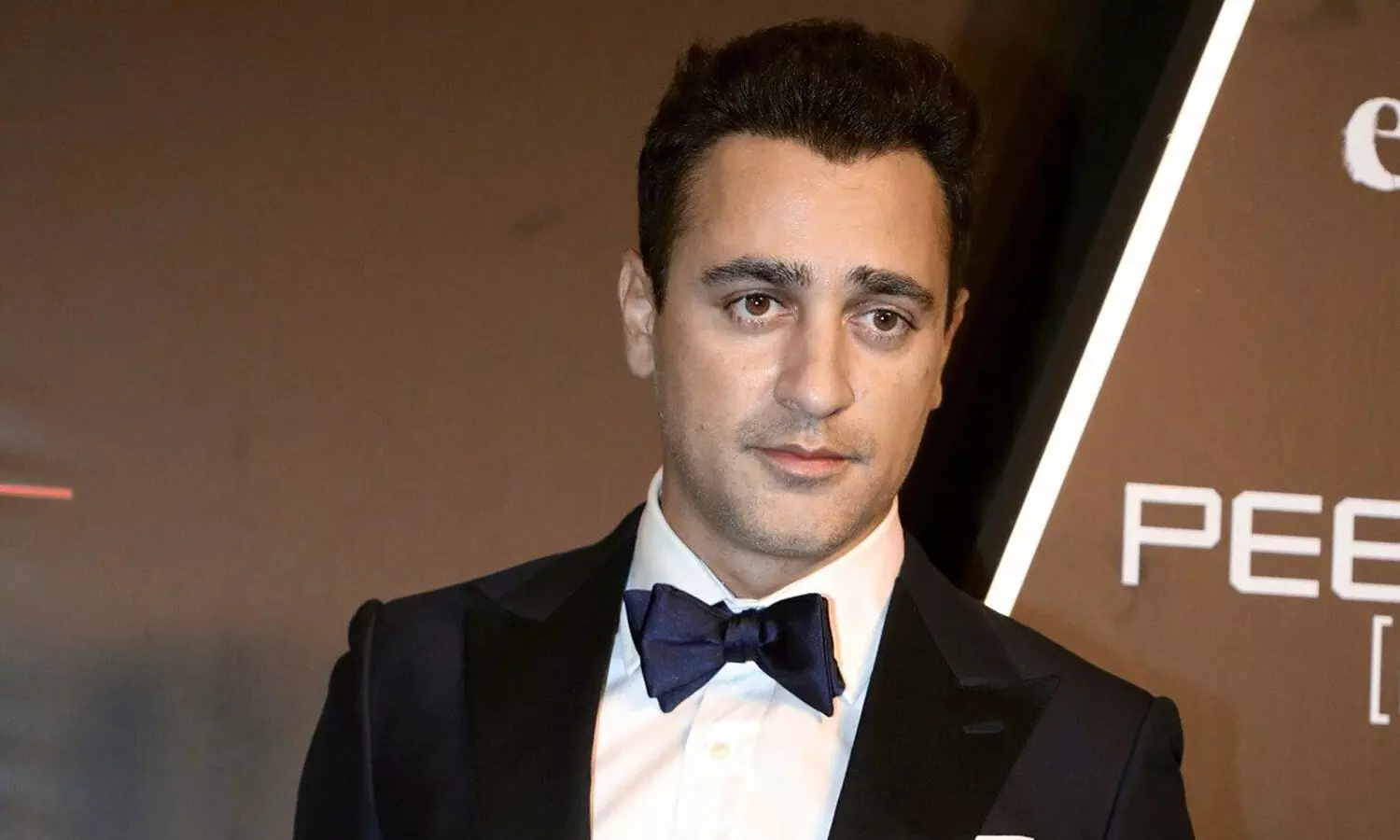
Mumbai Police issued a notice to the actor on Thursday, following his participation in a demonstration at August Kranti Maidan demanding Kumar’s resignation. Khan attended the protest alongside his partner, actor Lekha Washington, and his cousin Zayn Marie Khan. Police detained all three during the demonstration.
According to reports, action against Imran Khan has been initiated under relevant provisions of immigration law because he allegedly participated in a political protest despite not being an Indian citizen. The actor is reportedly a US citizen, although there is no confirmation of whether he subsequently acquired Indian citizenship.
Imran Khan’s Citizenship Status Under Scrutiny
Imran Khan’s citizenship has come under renewed scrutiny following the police notice.
In an interview published by India Today in 2011, the actor spoke about his efforts to obtain an Indian passport, saying that the official process was underway. He also acknowledged that he could not vote in India because he was not an Indian citizen, while explaining that he participated in voter-awareness initiatives.
There has been no confirmed information about whether he later acquired Indian citizenship.
The police action follows demands from BJP leader and former MP Kirit Somaiya, who had called for the actor’s deportation and urged Mumbai Police to verify his citizenship status.
In a post on X, Somaiya argued that authorities should examine whether a foreign national could participate in a political agitation.
Actor Says He Joined Protest As Mumbai Resident
Before the notice was issued, Imran Khan told the media that he had attended the demonstration in his capacity as a Mumbai resident rather than as a representative of any political organisation.
“I don’t have demands. I am here as a citizen, as someone who lives in this city,” he said, questioning restrictions on freedom of movement and the suppression of public voices.
After being detained on Saturday evening, Khan shared a photograph from inside a police van on social media with the caption, “Apparently, I am going for a ride.”
His participation also drew attention from fans, who jokingly referred to him as the real “Ranjhore Ka Rathore”, recalling his character in his debut film Jaane Tu Ya Jaane Na.
Khan has not publicly responded to the notice, according to the report.
What Was The Mumbai Protest About?
The October 10 demonstration was organised by author Tushar Gandhi, the great-grandson of Mahatma Gandhi, in support of the Campaign for Judicial Accountability and Reforms (CJAAR), which has demanded the resignation of Chief Election Commissioner Gyanesh Kumar.
The protest focused on concerns surrounding the Special Intensive Revision (SIR) of electoral rolls and allegations of voter-list manipulation.
Tushar Gandhi was also detained while travelling to the proposed protest site and was subsequently released.
Mumbai Police said August Kranti Maidan was not an authorised protest venue under a Bombay High Court order. The police maintained that preventive action was taken to maintain law and order.
Imran Khan Has Previously Spoken On Public Issues
The actor has in the past utilised his public platform to address matters of public concern.
He also lashed out at the police in July this year for their actions against the students protesting against the alleged irregularities in the National Eligibility-cum-Entrance Test (NEET). In response to the incidents of lathi charge on the protestors at Jantar Mantar in Delhi, Khan said that students are working hard for exams but are getting demoralized by the system.
The latest controversy has brought renewed attention to the intersection of citizenship rules, political demonstrations and the participation of public figures in protests.