
Heavy rain forecast brings Rayagada’s drainage system under scrutiny
Rayagada: Cyclone Arnab’s heavy rainfall forecast has put Rayagada’s district administration on alert, raising concerns over whether local preventive measures can handle extreme weather. Chronic drainage issues near the Silhetra petrol pump and OMP Road already cause dirty water to overflow onto roads during minimal rainfall, creating severe inconveniences for residents and commuters.
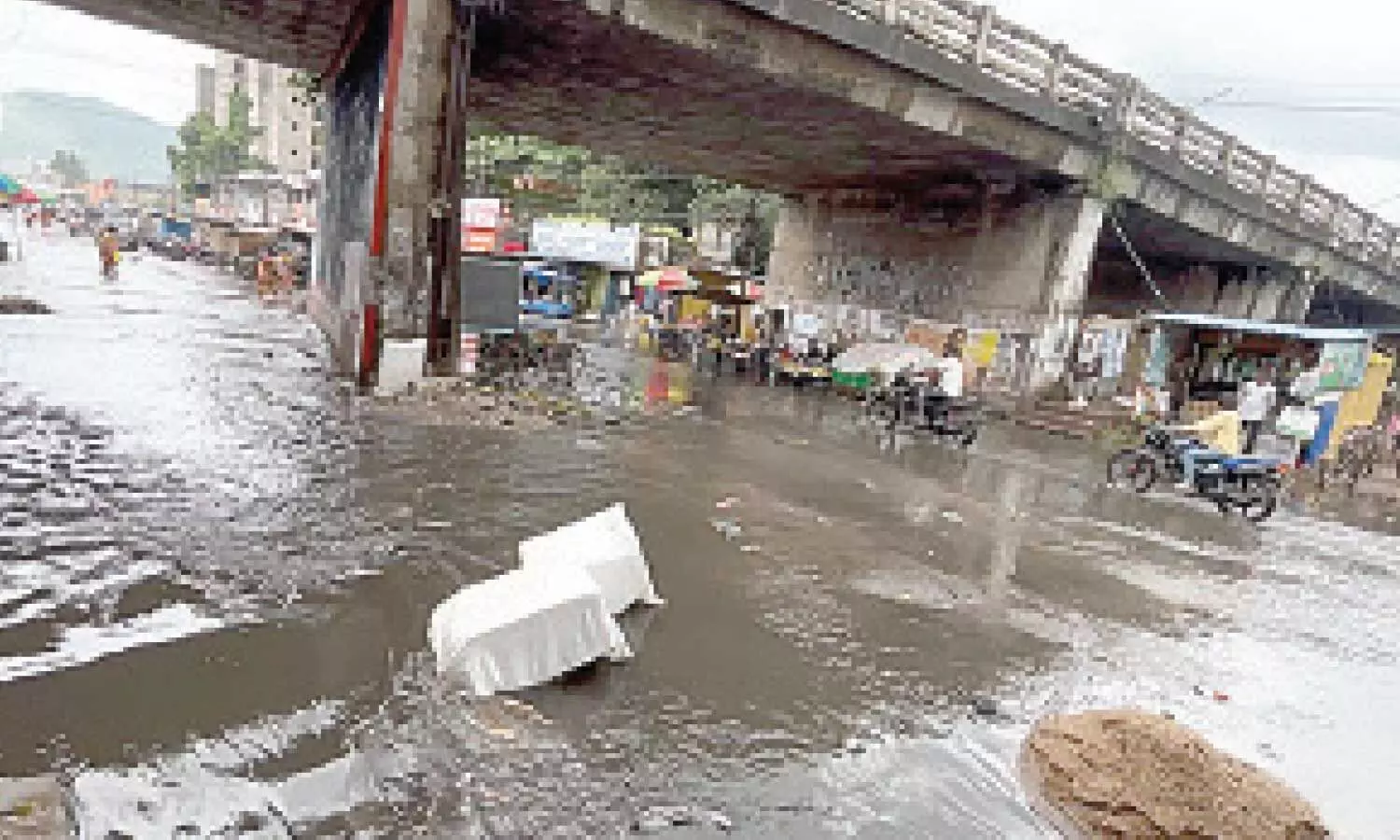
If drainage channels overflow during light rain, heavy rainfall could trigger catastrophic flooding and severe public disruption. The district administration must take immediate preventive action rather than reacting after damage occurs. If left unaddressed, prolonged waterlogging, stagnant wastewater, and accumulated garbage will create severe health hazards, damage road infrastructure, and paralyse public movement.
The open drains and overflowing wastewater at Rayagada’s entrance contrast sharply with the cultural heritage of Dhoba Tutha, a traditional washing ghat symbolising cleanliness and community life. This stark contradiction raises a vital civic question: How can a town preserve its cultural identity when basic sanitation fails? Ultimately, this breakdown highlights the urgent need for functional drainage infrastructure and public spaces that reflect the community’s dignity.
The Rayagada district administration has activated 24×7 control rooms across district, block, tahasil, and urban local body levels for cyclone preparedness. Deployment includes three ODRAF teams, one NDRF team, fire services, and power boats. Additionally, urban drainage clearing is underway, and multipurpose shelters, temporary housing, and vulnerable villages have been identified.
While the administration is preparing for severe weather, reports of local drainage overflows question the effectiveness of preventive inspections. Urban clearance is underway, but rural Gram Panchayats also require urgent attention, as blocked drainage there threatens roads, homes, and public movement.
It is necessary to clear all waste and silt obstructions immediately and verify any drainage encroachments inspections and take lawful corrective action. To ensure these preparedness measures succeed, it is also vital to establish location-specific assessments, assign clear responsibilities, and enforce strict, time-bound monitoring.
With heavy rain forecast, the priority should be on preventing waterlogging, ensuring safe transit, and maintaining sanitation. The administration’s true readiness will be judged by how well it protects vulnerable areas
before the storm intensifies.