
Google Genie 4 Turns Text Into Interactive Worlds
has introduced Genie 4, the version of its AI “world model.” This system is built to turn text descriptions into interactive digital environments. Created by Google DeepMind Genie 4 can generate scenes, like a misty lake with a saxophone player or detailed cityscapes. Users can explore these environments in time making the experience feel alive and dynamic. The technology shows how far AI has come in imagining and building worlds from just words.
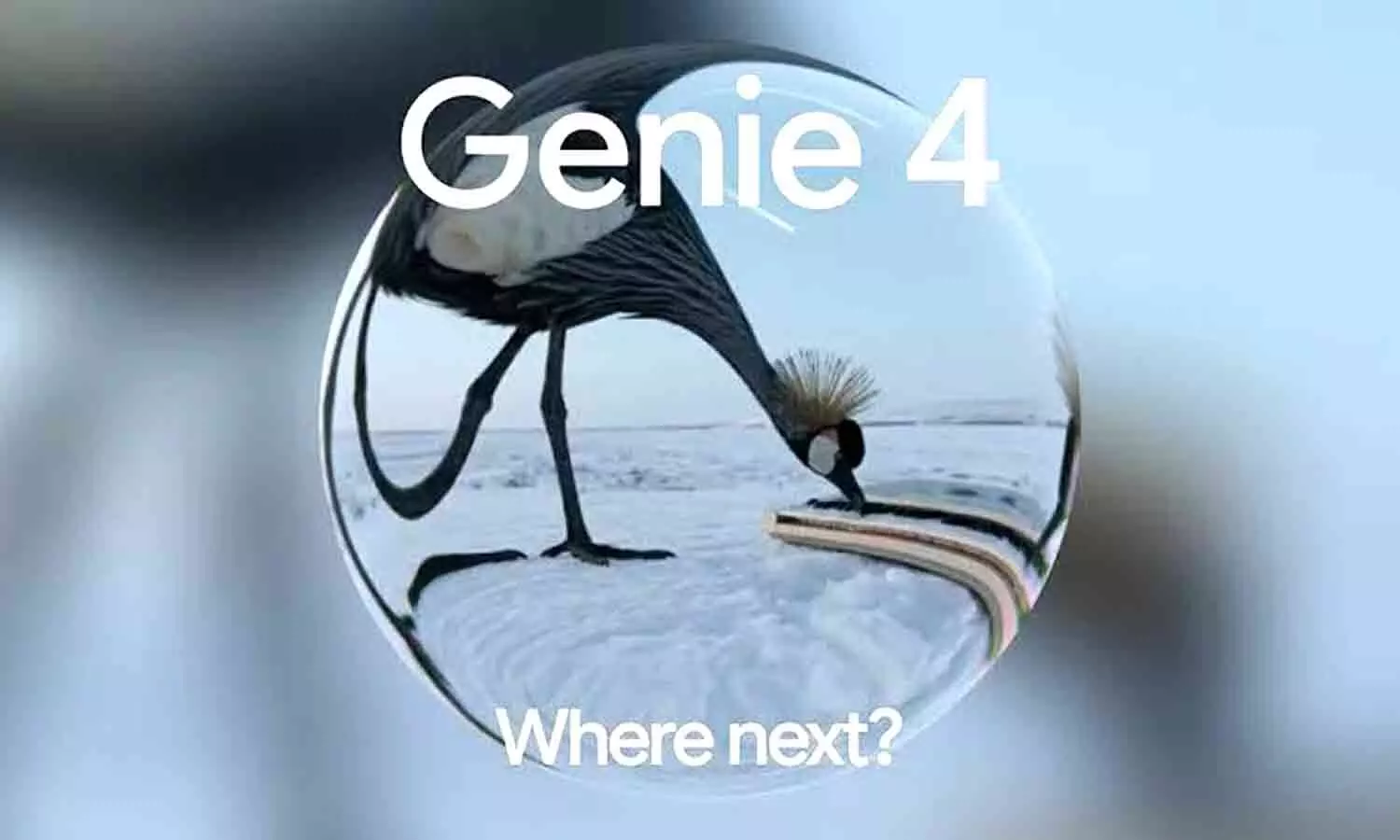
For example, a user might talk about a lake on a misty morning with a man playing the saxophone on a floating platform. Genie 4 can create the environment letting users walk through it, adjust the camera angle and listen to the saxophone while they look around.
Worlds that build themselves as you explore
Genie 4 feels like a video game, rather than a conventional AI‑generated video. With Genie 4 you can type a text prompt. Upload an image and then Genie 4 creates an environment that you can explore.
There are no pre-built levels or characters. Instead, the AI generates what appears in front of the user as they move around. The environment can also be modified during the experience. Users can request changes such as rain, a different viewpoint or a new person entering the scene.
Google says Gemini helps maintain consistency as these changes happen. A Genie 4 session can now continue for around two minutes, roughly twice as long as Genie 3.
More realistic people, physics and sound
One of the major improvements is realism. Objects behave more naturally, while people can walk, react to their surroundings and respond to directions.
Google has demonstrated scenes including a crowded Japanese railway station from the 1980s, complete with passengers and a long red train.
Audio is another major addition. Environments can include sounds such as waves and wind, while AI-generated characters can also speak and interact with each other.
The technology is already being explored by filmmakers, photographers and game developers. Filmmakers can preview scenes, camera positions and lighting, while photographers can transform old images into explorable environments. Game developers can test concepts before writing code. Google is also using Genie 4 to help robots practise tasks in simulated environments.
Limited access for now
Genie 4 remains unavailable to the general public. Google says it will reach AI Ultra subscribers in the coming weeks through Project Genie, along with developers building applications using Google’s AI tools. A waitlist is already available.
However, details can drift during longer sessions, objects may change or disappear, audio may not always match the visuals, and generated text can be difficult to read.
Google says every video and audio clip created by Genie 4 includes an invisible watermark identifying it as AI-generated.
For now, stepping into a world created from a single sentence remains limited to a small group of testers. Google plans to expand access soon, beginning with subscribers to its top AI plan.