
Elon Musk Predicts AI Computing Will Eventually Move Entirely Into Space
Elon Musk has an ambitious vision for the future of artificial intelligence (AI). The SpaceX CEO believes that computing infrastructure required to power future superintelligence could eventually move almost entirely beyond Earth. While the prediction sounds futuristic, major technology companies, including Google and SpaceX, are already exploring ways to establish AI data centres in orbit.
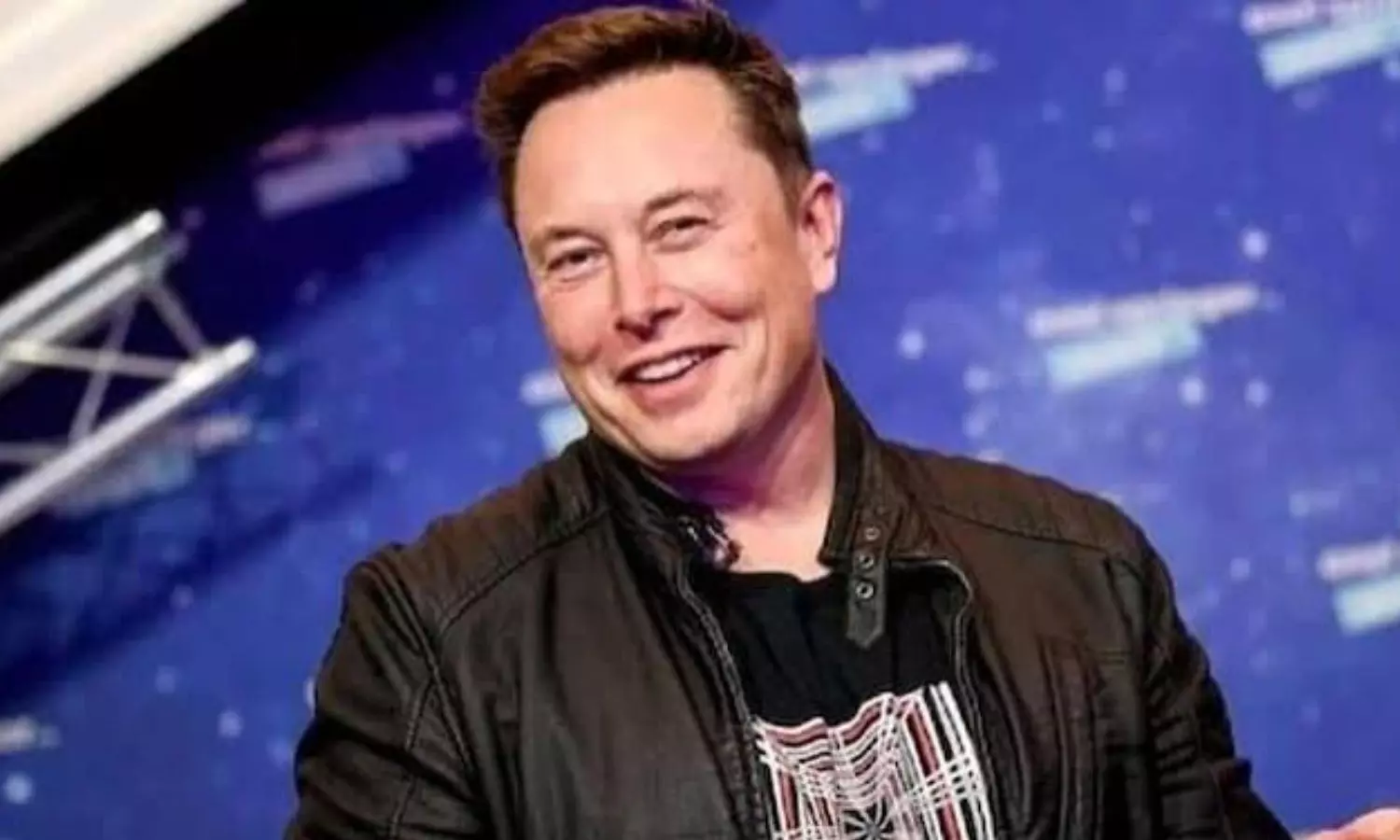
Musk shared his thoughts in a post on X while responding to investor Shaun Maguire and another account discussing SpaceX’s potential computing business. Maguire suggested that SpaceX could emerge as a low-cost computing provider, starting with data centres on Earth before expanding into space-based infrastructure.
However, Musk went much further with his prediction. He said that almost all computing power required for future superintelligence would eventually operate in space. He also clarified that by “overwhelmingly”, he meant a figure that would round up to 100 per cent. Musk did not provide a specific timeline or explain how SpaceX intends to make this ambitious transition possible.
Google is already testing AI data centres in space
The concept is not entirely theoretical, as Google has already started experimenting with orbital computing. Its research initiative, Project Suncatcher, aims to develop AI infrastructure using solar-powered satellites equipped with Tensor Processing Units (TPUs).
Google launched its first prototype satellite on October 1 in partnership with Planet. Later, on October 30, the company announced that it had successfully received its first AI-generated response from a data centre-class TPU operating in orbit. The satellite ran Google’s Gemma 4 model, marking an important milestone for the project.
Google is also planning to test two interconnected satellites in 2027 to explore how multiple orbital computing systems could work together.
SpaceX is pursuing a similar direction. According to a famous publication report, the company aims to demonstrate its space-based AI computing technology by late 2027, with possible deployments beginning in 2028. It has also sought regulatory approval for a constellation of up to one million satellites that could function as data centres. However, these remain ambitious plans rather than an operational network.
High costs remain a major obstacle
Despite the potential benefits, moving AI infrastructure into space is far from affordable. Amanda Peterson Corio, Google’s global head of data centre energy, has acknowledged that the technology is currently not economically practical.
Speaking at The Information’s Women in Tech, Media and Finance Summit 2026, she said space data centres are “incredibly, incredibly expensive, up to 100 times more expensive than building on Earth”.
Her advice was to “explore all the terrestrial options before you go extraterrestrial”.
Space-based facilities could benefit from near-constant sunlight in suitable orbits, offering a potential source of power for energy-intensive AI systems. However, launching equipment, protecting processors from radiation, controlling extreme temperatures and maintaining satellites would involve considerable technical and financial challenges.
For now, Musk’s vision represents a possible future for AI infrastructure, but making it commercially viable remains a much bigger challenge.