
World Breastfeeding Week of -2026: The first gift: Why every baby deserves a golden start
A newborn’s first hour, first touch, and first feed can shape the journey that follows. This World Breastfeeding Week, we must remember that supporting breastfeeding is not just a mother’s responsibility—it is society’s. There are few moments in medicine as powerful as watching a newborn take its first breath. After nine months in the womb, a baby enters a completely new world—bright lights, unfamiliar sounds and a sudden dependence on others for warmth, comfort and nourishment. In those first precious minutes, something remarkable happens. The baby is placed on the mother’s bare chest. The crying gradually settles. The mother touches her baby. The baby begins to look, smell, move and instinctively search for the breast.
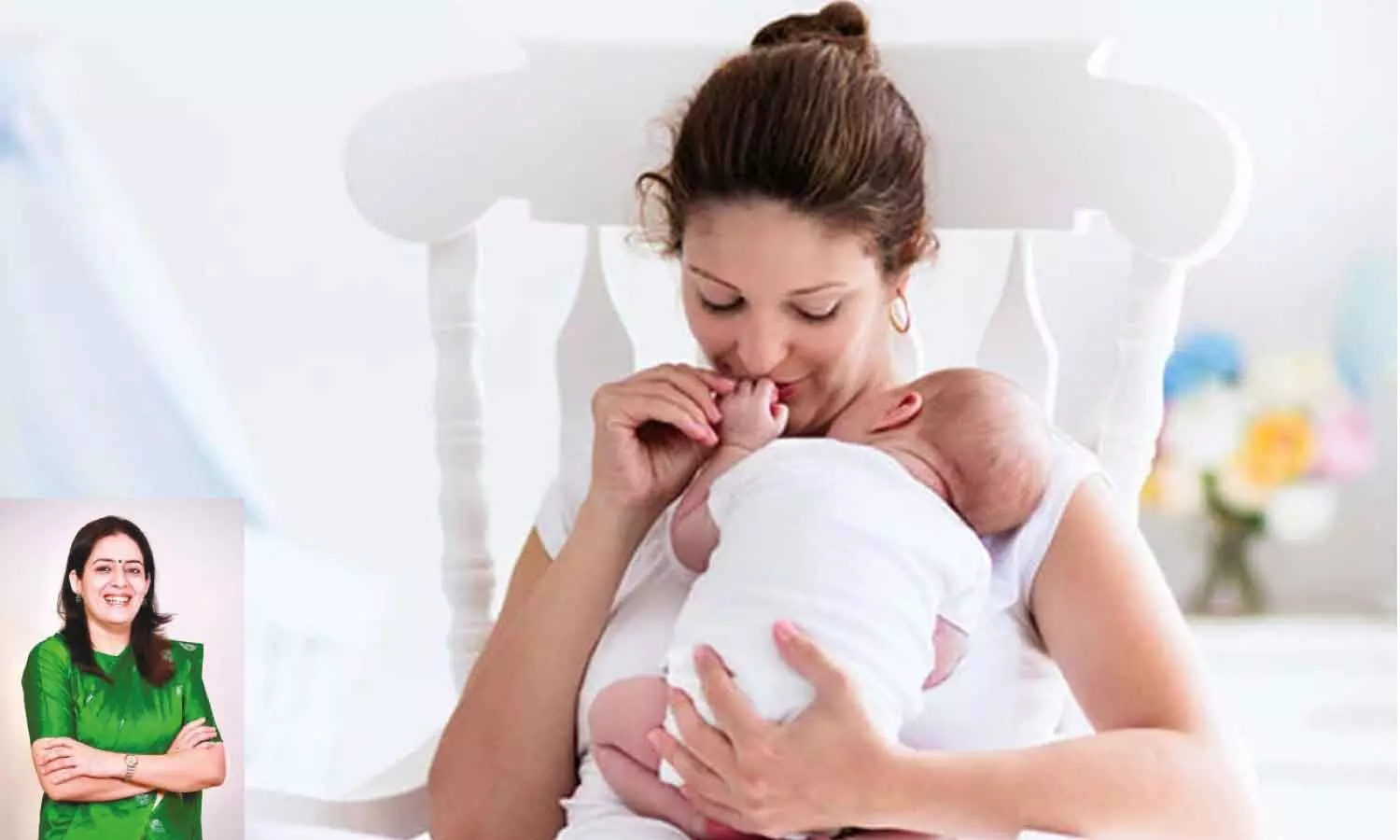
It is a moment that appears simple.
But it is anything but ordinary.
This is the Golden Hour—the first hour of life, a window of opportunity that can influence the health and well-being of a child for years to come. As a neonatologist, I have seen the beginning of life unfold in countless ways. I have seen tiny premature babies fight their way through the most difficult beginnings. I have seen mothers express their first drops of milk for babies who are too sick to feed directly. I have also seen the extraordinary transformation that occurs when a mother is given the right information, the right support and, most importantly, the confidence to believe in herself. This is why World Breastfeeding Week, observed every year in the first week of August, matters.
It is not merely a week to talk about breastfeeding. It is a week to ask ourselves whether we, as families, healthcare professionals and communities, are doing enough to support mothers and babies.
The golden hour: A beginning we must protect
The first hour after birth is a critical period of transition. Whenever the mother and baby are medically stable, placing the newborn directly on the mother’s bare chest allows them to remain together during this important time.
This simple practice—skin-to-skin contact—can help a newborn regulate temperature, breathing and heart rate. It reduces stress and encourages the baby’s natural feeding behaviours. It also promotes the release of hormones that support maternal bonding and breastfeeding.
But perhaps the greatest gift of skin-to-skin contact is something that cannot be measured on a monitor.
It tells the baby: You are safe. You are home.
Colostrum: Small in quantity, extraordinary in value Then comes the first milk.
Colostrum may not look like the abundant milk many mothers expect. It is produced in small quantities, often thick and yellowish. Because of this, some mothers may worry that they are not producing enough.
But nature is remarkably precise.
A newborn’s stomach is tiny. The small amounts of colostrum produced in the first days are perfectly suited to the baby’s needs. Rich in antibodies and protective factors, colostrum provides the newborn with an important first layer of immune protection and helps prepare the immature gut for life outside the womb.
It is often called “liquid gold.”
And perhaps it deserves an even greater description: it is a mother’s first immunisation for her child. Every drop matters. We must therefore stop treating colostrum as something that is “not enough.” It is not inadequate. It is exactly what the newborn is designed to receive.
Six months, one powerful beginning
Breastfeeding is not simply about feeding a hungry baby. Breast milk is a living, dynamic source of nutrition and protection. Its composition changes as the baby grows and adapts to the baby’s needs. For the first six months, exclusive breastfeeding is recommended whenever possible. This means giving the baby only breast milk, without water or other foods or drinks, unless medically indicated. The benefits extend far beyond nutrition. Breast milk provides essential nutrients while also delivering antibodies and other bioactive components that help protect babies from infections and support their developing immune systems. But when we talk about breastfeeding, we should not reduce the conversation to statistics and health outcomes alone.
A baby at the breast is not just receiving milk.
The baby is receiving warmth.
Touch. Comfort. Security. Connection.
Breastfeeding is nutrition, but it is also a relationship.
When breastfeeding does not go according to plan
Yet we must also acknowledge a difficult truth: breastfeeding may be natural, but it is not always easy. A mother may struggle with pain, poor latch, delayed milk production or anxiety about whether her baby is getting enough. A mother recovering from a caesarean section may face additional challenges. Mothers of premature or critically ill babies may find themselves expressing milk around the clock for a baby who is receiving care in a neonatal intensive care unit.
These mothers do not need guilt.
They need support.
They need skilled lactation counseling. They need healthcare professionals who listen rather than judge. They need families who encourage rather than criticize. They need workplaces that recognize the importance of breastfeeding. They need hospitals designed to keep mothers and babies together whenever possible.
The question should never be:
“Why aren’t you breastfeeding?”
The question should be:
“What can we do to help you breastfeed?”
And when breastfeeding is temporarily or permanently not possible, mothers deserve compassion, evidence-based guidance and support—not blame.
Because a mother’s worth is never measured in ounces of milk.