
The looming cloud of farm bad loans over Indian banking
The rhythmic cycle of the Indian monsoon has long been the heartbeat of the nation’s economy. However, as 2026 unfolds, that heartbeat is faltering. A weak southwest monsoon, the poorest since 2015, driven by a strengthening El Nino, has cast a long shadow over the rural landscape. While the fields await water, the Indian financial sector, particularly public sector banks (PSBs), is bracing for a different kind of storm. A surge in agricultural Gross Non-Performing Assets (GNPAs).
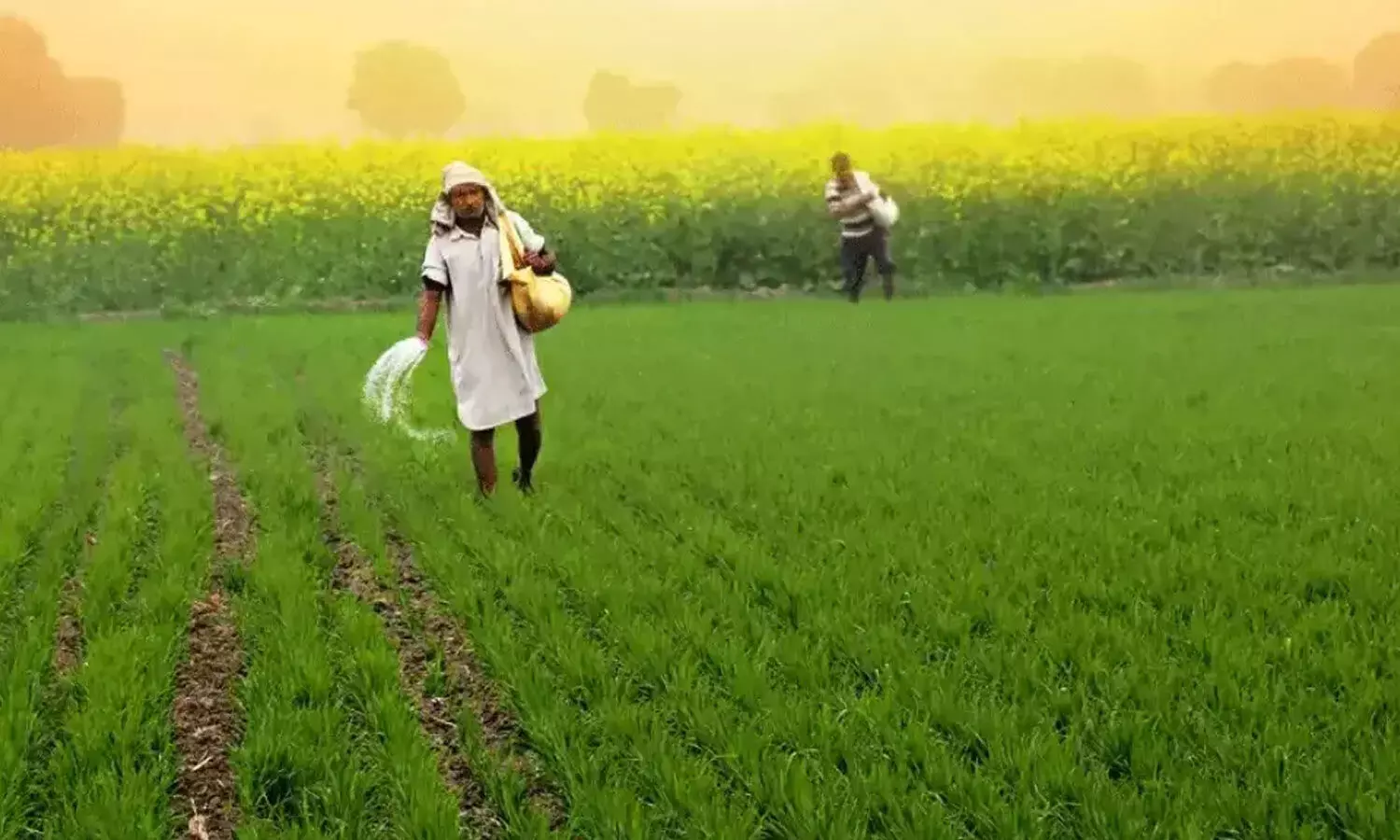
According to a recent comprehensive report by CareEdge Ratings, the agriculture GNPA ratio, which stood at 5.11 per cent in June 2026, is projected to rise to between 5.3 per cent and 5.6 per cent by March 2028. While these numbers might seem modest at a glance, they represent a potential addition of nearly Rs 60,000 crore in bad loans to the banking books within two years.
The monsoon mirage
The current distress is rooted in a rainfall deficit that is both deep and unfortunately targeted. The 2026 southwest monsoon ended at just 87 per cent of the Long Period Average (LPA). More concerning is the geographical concentration of this shortfall. Data reveals that approximately 68 per cent of scheduled commercial bank (SCB) agriculture credit is concentrated in states that experienced rainfall deficits of 20 per cent or more. Regions like the South Peninsula and East India have seen their lowest rainfall since 1901.
For the banking sector, the “monsoon effect” is a lagging indicator. Due to the Reserve Bank of India’s (RBI) classification rules, a crop loan typically turns into an NPA only after remaining overdue for two crop seasons. Consequently, the stress from the failed 2026 kharif harvest will not fully manifest in bank balance sheets until early 2027, with the peak impact expected in the 2027-28 financial year (FY28).
The double whammy: Weather and waivers
While the climate is a natural adversary, policy choices often exacerbate the financial strain. The CareEdge report highlights a critical secondary risk: state-sponsored farm loan waivers. Historically, waivers have been more damaging to bank health than droughts. When waivers are announced, or even whispered during election cycles, moral hazard sets in. Borrowers who have the capacity to repay often withhold payments in anticipation of relief, leading to a sharp spike in defaults.
With Assembly elections looming in major agricultural states like Uttar Pradesh and Punjab in early 2027, the risk of a “waiver wave” is high. CareEdge estimates that for every Rs 10,000 crore of waivers announced, the agriculture GNPA ratio could climb by an additional 6 to 7 basis points. In an adverse scenario where a poor rabi (winter) crop follows the dry monsoon and large-scale waivers are implemented, the GNPA ratio could soar to a staggering 6.4 per cent.
The banking sector: A tale of two tiers
The impact of this agricultural stress will be unevenly distributed. Public Sector Banks (PSBs) remain the primary vehicle for rural credit and, consequently, the primary victims of rural distress. As of June 2026, PSBs carried nearly three-fourths (73.9 per cent) of all agricultural GNPAs in the country. For these institutions, agriculture accounts for a massive 44.6 per cent of their total bad loan portfolio.
In contrast, Private Sector Banks (PVBs) and Small Finance Banks maintain a more cushioned position, with lower exposure and more aggressive recovery mechanisms. However, the sheer volume of the anticipated stress, total agricultural GNPAs could reach Rs 2 lakh crore by March 2028, means that no corner of the financial sector will be entirely immune to the resulting liquidity tightening and increased provisioning requirements.
The “standard asset” illusion
One of the most nuanced points raised by analysts is the use of the RBI’s natural calamity framework. This allows banks to restructure loans in drought-hit areas, keeping them classified as “standard assets” rather than NPAs. While this provides temporary relief to both the farmer and the bank’s ratio, it creates a pool of “stressed advances.”
If we include these restructured loans, the total stressed agriculture advances could reach 6.3 per cent of total farm credit by March 2028. This represents a hidden layer of vulnerability. These loans are not “cured,” merely deferred. Should the subsequent monsoon also fail, this latent stress could erupt into a systemic crisis.
The broader financial fallout
Beyond the immediate hit to bank profits through higher provisioning, the rise in agricultural bad loans has a cooling effect on the broader economy.
Credit contraction: As NPAs rise, banks typically become more risk-averse. A slowdown in farm lending, which has been the primary driver in keeping the GNPA ratio “optically” low by growing the denominator, could lead to a credit crunch in rural markets.
Rural consumption: Agricultural distress directly reduces the disposable income of nearly half of India’s workforce. This leads to lower demand for consumer durables, two-wheelers, and FMCG products, creating a downward spiral that affects the industrial and service sectors.
Fiscal strain: When states announce massive loan waivers to mitigate farmer distress, their fiscal deficits widen. This limits their ability to invest in infrastructure and capital projects, further slowing regional economic growth.
A path forward
The Indian financial sector is currently more resilient than it was during the peak NPA crisis of 2020, thanks to high credit growth and significant write-offs (estimated at 19per cent of agricultural GNPAs annually). However, resilience is not invulnerability.
To navigate the El Niño-induced crisis, the strategy must be two-fold. First, banks must proactively utilise the restructuring window to support genuine distress while maintaining rigorous credit discipline to discourage strategic defaults.
Second, there is an urgent need for the “de-politicisation” of farm credit. Loan waivers are a short-term political balm that inflicts long-term scars on the credit culture of the country.
As we look toward FY28, the health of the Indian banking sector will depend less on the boardrooms of Mumbai and more on the rain clouds over the Deccan and the Indo-Gangetic plains. The forecast is cautious. The financial sector must prepare for a harvest of hurdles.
(The author is with the CholletiBlackRobe Chambers, Hyderabad, and writes on the economy, politics and law)