
Renew Car Insurance Online Before Expiry: What Happens to Your Remaining Policy Days?
Renewing your motor policy before it expires can prevent a last-minute gap in protection. Still, paying early often raises a concern about the days left on your current policy. In a properly scheduled renewal, those days are not lost.
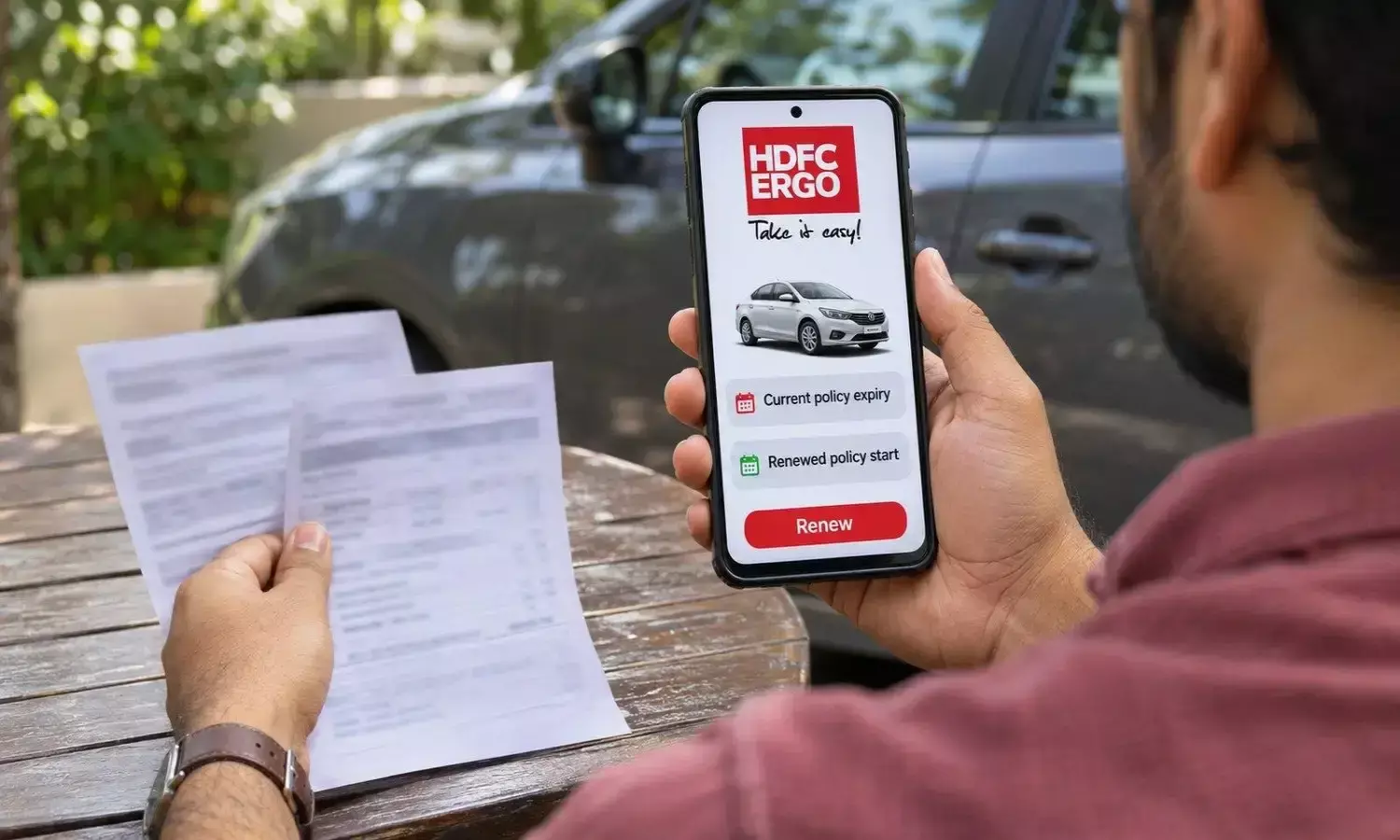
The existing policy runs until its stated expiry, and the next one begins afterwards. The important thing is to check the dates on both documents rather than assume that the payment date is the start of fresh cover.
Existing Policy Remains Active Until Expiry
Paying a renewal premium does not normally end your present policy. Your current cover remains valid until the expiry date and time mentioned in its schedule, subject to its terms.
Generally, claims will be dealt with under your current policy throughout this time. Please retain your current policy and claim information until your existing cover ends. Simply applying for re-insurance does not mean that claims will automatically be dealt with new policy.
New Policy Starts After the Current Policy Expires
An insurer should ensure that your new policy begins directly after your current one ends. Even if you pay for re-insurance early, this should not affect the commencement date.
Always confirm the new policy’s commencement date both before and after payment. Simply having proof of payment is insufficient evidence of when your new insurance cover comes into effect.
No Loss of Unused Policy Days
When re-insurance is organised appropriately, you still benefit from all the days left on your current policy. Then, following the expiry of your current cover, your new policy begins.
Issues can occur if your new policy is made to begin with immediate effect, rather than being organised as a re-insurance. In such circumstances, contact your insurer at the earliest opportunity to confirm the dates of your new policy.
No Overlap Between Renewal and Existing Coverage
Appropriately organised re-insurance means there is a clear division between periods of cover. This in turn helps to determine which insurer and which policy should deal with a claim near to a re-insurance date.
However, and own-damage protection can sometimes have different expiry dates. Check both sections separately, especially if your vehicle was insured under a bundled arrangement.
How Early Renewal Affects the Policy Expiry Date
The expiry date of your new policy should not be affected by early re-insurance where the new policy has been organised to commence following the end of your current cover. As with all policies, your new policy will expire in line with the date shown on its schedule.
Some companies specify a timeframe in which re-insurance can be applied for. Should you wish to re-insure outside of this period, please establish whether you are in fact re-insuring or taking out a new policy.
Does Early Renewal Affect the No Claim Bonus (NCB)?
On its own, early re-insurance will not cause loss of a No Claim Bonus. Again, this reflects your own damage claim record and is dependent upon the company’s policy.
Should you submit a claim on your current policy following early re-insurance, your No Claim Bonus privilege may be affected. Please inform your insurer so that they can amend details of, and charge appropriate premium for, your re-insured policy.
Can You Change Coverage During Early Renewal?
At the point of re-insurance, you may wish to amend aspects of your cover. For example, you might want to switch between levels of own damage insurance, add or remove extra features or update the ‘declared value’ of your car. Again, this will be subject to the company and to your policy terms.
Alterations usually come into force from the start of your new policy. They will not automatically affect your current cover. If prior to the expiry of your current policy, you need to amend your cover, enquire about an endorsement.
How to Check the New Policy’s Effective Date
It is good practice to confirm when your new re-insured policy comes into effect. This ensures that there are no unwarranted breaks in your cover.
- Please examine: Expiry Date of Current Policy – Refer to your current policy for information regarding when and at what time it ends.
- New Policy Start Date: Ensure that this falls directly after the expiry of your current cover.
- Vehicle Details: Confirm that the registration number and other relevant details are accurate.
- Policy Cover – Check that the right cover and extras are shown.
- Date Corrections – If you identify any date discrepancies, please notify your insurer and ask them to issue a revised policy.
Please retain copies of your current and new policies together with re-insurance confirmation.
Conclusion
Aside from providing reassurance, early re-insurance should not reduce the number of days for which you are covered. Usually, if your new policy is organised to commence at the right time, you will still be able to use all the days left on your current policy. Prior to completing your re-insurance, always check details including dates, and your No Claim Bonus status. This is especially important given that third party and own damage cover can sometimes end on differing dates.