
RBI fires first rate-hike salvo in 4 yrs
Mumbai/New Delhi: The Reserve Bank of India (RBI) on Wednesday raised its benchmark repo rate by 25 basis points to 5.50 per cent, its first rate increase in nearly four years, and signalled that further hikes could follow as inflationary pressures, higher crude prices and a weakening currency pose risks to the economy.
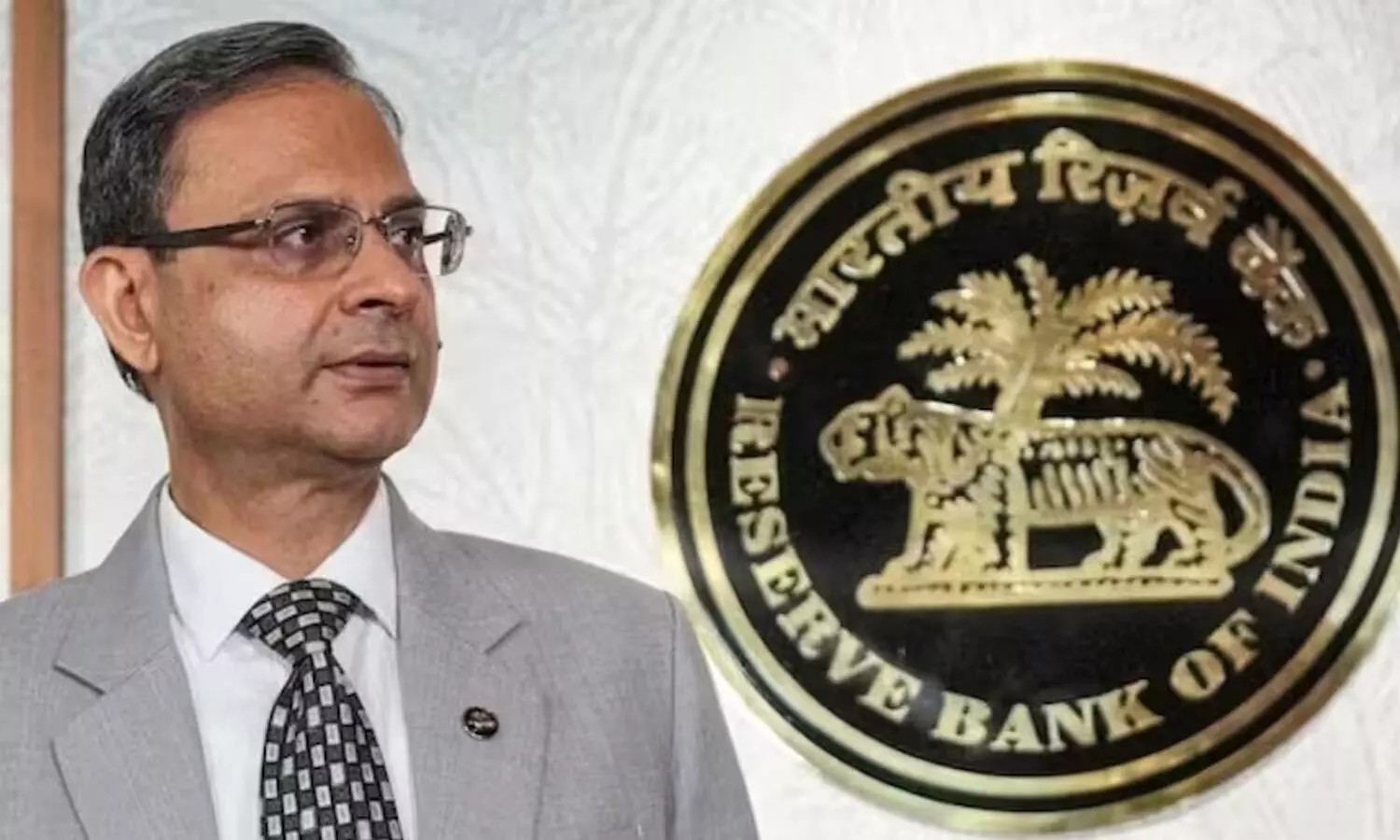
The six-member Monetary Policy Committee (MPC) unanimously approved the hike and shifted its stance to “calibrated tightening”, effectively ruling out a rate cut in the near term.
“Rate cuts are off the table in the near term and policy action ahead can only be a rate hike or a pause, depending on the evolving conditions and the outlook,” RBI Governor Sanjay Malhotra said.
He said the timing and extent of any further tightening would depend on the evolution of inflation and growth, particularly underlying price pressures and whether supply shocks become embedded in the broader economy.
The RBI said inflation risks were no longer as benign as a year earlier, citing higher food and fuel prices, deficient monsoon rainfall, El Nino conditions and renewed volatility in international oil prices. Consumer-price inflation rose to 4.82 per cent in August, above the RBI’s 4 per cent medium-term target for a third consecutive month, while core inflation accelerated to 4.2 per cent. “There are also early signs of inflation becoming generalised,” Malhotra said.
The RBI raised its FY27 inflation forecast to 5.2 per cent, with inflation projected at 6 per cent in the third quarter and 5.7 per cent in the fourth quarter.
At the same time, the central bank raised its FY27 growth forecast by 40 basis points to 7.1 per cent after the economy expanded 7.8 per cent in the first quarter.
“The Indian economy has been strong, and the economic momentum remains broad-based,” Malhotra said.
The rate hike is likely to increase borrowing costs for floating-rate home loan borrowers, as banks typically pass on repo rate changes through their lending rates.
If banks pass on the entire 25-basis-point increase, a home loan currently priced at 8 per cent could rise to around 8.25 per cent. This could translate into higher EMIs or a longer repayment period, depending on how lenders adjust loan terms.
Existing floating-rate borrowers are likely to feel the impact first, while prospective homebuyers may need to factor higher borrowing costs into their purchase decisions.
The RBI’s policy shift comes against the backdrop of abundant liquidity and faster credit growth, with bank credit expanding 18.1 per cent year-on-year as of September 15.
The central bank also flagged geopolitical tensions, elevated commodity prices, trade frictions, weaker monsoon and tighter global financial conditions as risks to the outlook.
WHAT IT MEANS
For policy
•RBI has shifted from a neutral/easing bias to “calibrated tightening”
•Rate cuts are off the table in the near term
•Next moves are likely to be “a pause or another hike”
•Inflation, crude prices and second-round price pressures will determine the pace of tightening Despite the hawkish stance, the RBI raised FY27 growth forecast to 7.1%
For home loan borrowers
•Floating-rate loans are likely to become costlier.
•An 8% loan could move to around 8.25% if the full 25-bps hike is passed on
•Borrowers could face higher EMIs or longer repayment periods
•Existing borrowers will feel the impact as lenders reset their lending rates.
•New homebuyers should factor higher interest costs into affordability calculations.
For the economy
•Higher rates could moderate excessive credit growth and demand
•The move aims to prevent temporary food and oil shocks from becoming persistent inflation
•Strong growth gives the RBI some room to prioritise price stability without sharply compromising economic momentum