
Power demand surges during monsoon in state
Bengaluru: Despite two months of the southwest monsoon, Karnataka is witnessing an unusual spike in electricity demand, with daily power consumption touching 300 million units, significantly higher than the corresponding period over the past two years. Officials attribute the surge primarily to below-normal rainfall across large parts of the state.
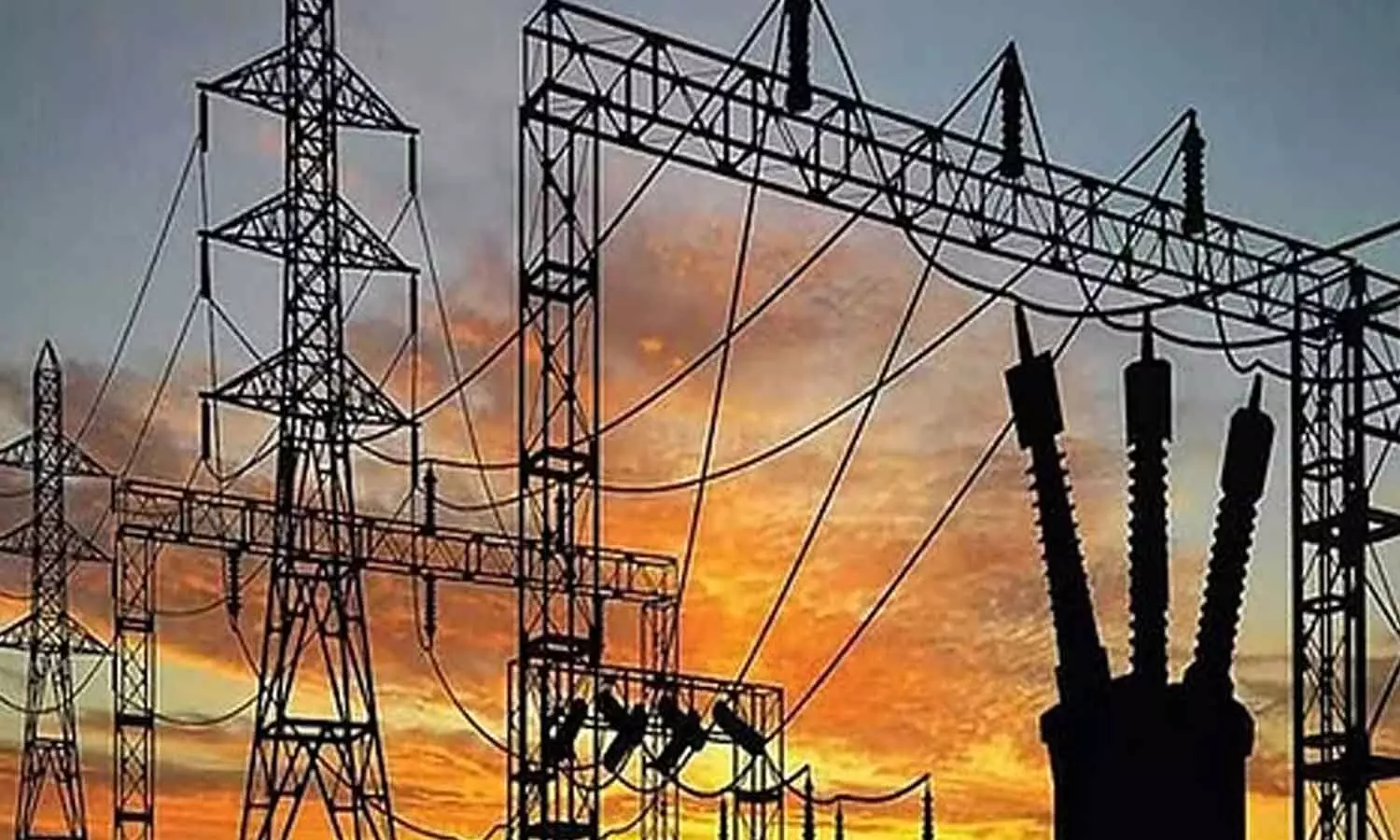
Typically, electricity demand declines during the monsoon as cooler weather reduces the use of fans and air coolers, while adequate rainfall also lowers dependence on irrigation pump sets. This year, however, erratic and insufficient rainfall has reversed the trend, resulting in sustained high power consumption across domestic, agricultural and commercial sectors.
During the same period last year, the state’s daily electricity consumption ranged between 200 and 220 million units. To meet the increased demand, power utilities have been operating thermal, hydro, solar and wind generation facilities at near-maximum capacity.
The state’s total daily generation from these multiple sources is currently around 300 million units, almost all of which is being consumed.
At the Raichur Thermal Power Station (RTPS), which has an installed capacity of 1,720 MW, five of the eight generating units are operational. One additional unit is expected to resume operations on August 6, while the remaining two units continue to remain shut due to technical issues.
RTPS is currently generating around 1,090 MW of electricity and has an estimated 1.70 lakh tonnes of coal, sufficient for about 10 to 11 days of operation.
Similarly, at the Yermarus Thermal Power Station (YTPS), only one of the two 800 MW units is operational, with the other undergoing annual
maintenance.
The station currently has around 2 lakh tonnes of coal stock, enough to sustain operations for
approximately 12 days.
Renewable energy is also playing a crucial role in meeting the state’s demand. Karnataka is presently generating nearly 7,000 MW through solar and wind power, supplementing thermal and hydropower generation.
Officials have indicated that if electricity demand continues at the current level, additional coal supplies will be essential to ensure uninterrupted thermal power generation in the coming weeks.
With Karnataka requiring thousands of megawatts of electricity every day, maintaining a balance between generation and consumption has become increasingly challenging.
Energy experts say the persistent rainfall deficit has emerged as the key factor behind the unusually high electricity demand during what is traditionally a low-consumption monsoon season.