
Opposition Gears Up To Challenge FCRA Amendment Bill In Parliament
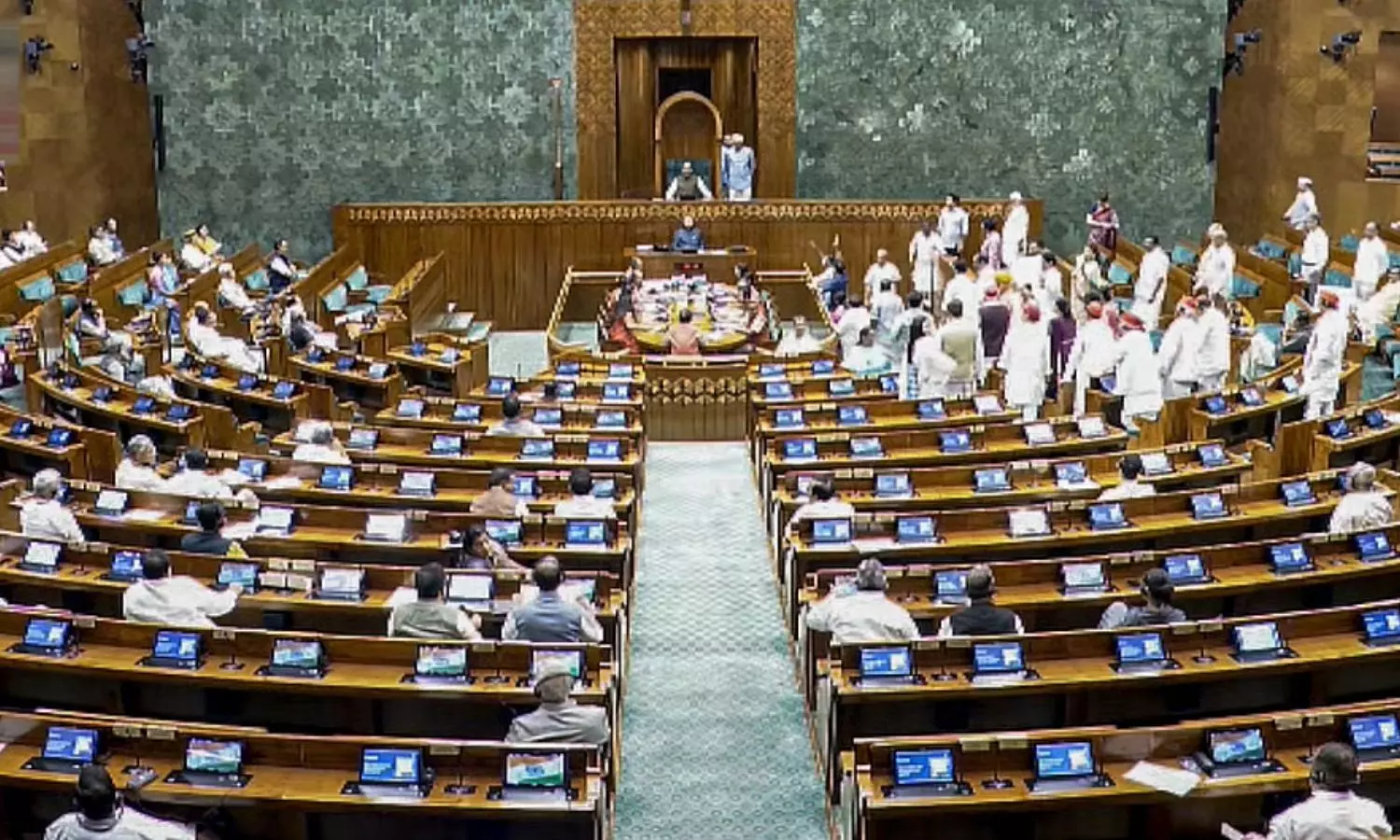
The Opposition is preparing to challenge the Centre’s proposed Foreign Contribution (Regulation) Amendment Bill, 2026, which is expected to come up in Parliament this week. Provisions which could enable the government to have a tighter grip on the assets generated by foreign contribution have sparked concern among opposition parties.
Opposition leader Mallikarjun Kharge said the Opposition would have a discussion on its future in an all-party meeting on Monday. He said that the decision to oppose the proposed law will be made after talking with floor leaders.
Congress has also issued a whip directing its MPs in both the Lok Sabha and Rajya Sabha to remain present on August 10, 11 and 12, citing the possibility of important business being taken up in Parliament. The party has also asked INDIA bloc allies to ensure the presence of their MPs.
What does the FCRA Amendment Bill 2026 propose?
The proposed legislation seeks to amend the Foreign Contribution (Regulation) Act, 2010, which governs foreign donations received by individuals, associations and organisations in India.
One of the key proposals is the creation of a ‘Designated Authority’. Under the proposed framework, the authority would take control of foreign contributions and assets created from such funds if an organisation’s FCRA registration is cancelled, surrendered or expires.
The authority could also manage these assets and monitor the activities of the concerned organisation in certain circumstances.
According to official figures cited in the report, there were 14,449 active FCRA registrations as of July 15, while 22,498 registrations had been cancelled and 15,212 had expired.
Why is the Opposition opposing the Bill?
Several Opposition leaders have objected to provisions of the proposed amendment, arguing that they could increase executive control over NGOs and other organisations receiving foreign contributions.
NCP (SP) working president Supriya Sule said foreign funding should not automatically be viewed with suspicion and called for the Bill to be withdrawn. She also suggested that, if the government does not withdraw it, the legislation should be referred to a Joint Parliamentary Committee (JPC).
Congress general secretary K C Venugopal described the proposed legislation as unconstitutional and expressed concern about its potential impact on NGOs and community organisations.
TMC MP Derek O’Brien has also criticised the Bill, describing it as “draconian” and warning about what he sees as excessive government control over organisations working in sectors such as education and healthcare.
Key provisions under scrutiny
Three provisions have emerged as major points of contention.
Section 14B deals with the cessation of an FCRA certificate when an organisation does not apply for renewal, is denied renewal or allows its registration to expire.
Section 16A proposes that foreign funds and assets of an organisation whose FCRA certification has ceased would vest with the Designated Authority.
Section 16B would allow the proposed framework to apply to assets that had already vested under the earlier law. Critics have raised concerns about its possible impact on organisations whose FCRA registrations expired years ago but which may now operate using domestic funds.
Meanwhile, political and community groups in several states have expressed reservations about the proposed amendments. DMK president MK Stalin has also called for the withdrawal of the Bill and demanded the repeal of Section 15 of the FCRA.
Although the proposed amendment has not been listed in the tentative government business for the coming week, the Opposition’s preparations indicate that the FCRA Bill could become a major point of confrontation in Parliament.