
Indian women’s cricket at fifty: Remembering pioneers of the sport
Published: November 02, 2026 07:22 AM IST
The big strides made by women cricketers in the country over the last decade are a source of great pride for followers of the sport in India. The World Cup triumph in 2025, the commencement of the Women’s Premier League (WPL) and the emergence of world-class cricketers have together contributed to the increasing popularity of cricket amongst women across the country. The fact that amongst those attempting to cement their place in the national side today are women from the tribal district of Wayanad in Kerala, a state not known for having either a history or tradition of playing this game, shows the deep roots that women’s cricket has developed all over India.
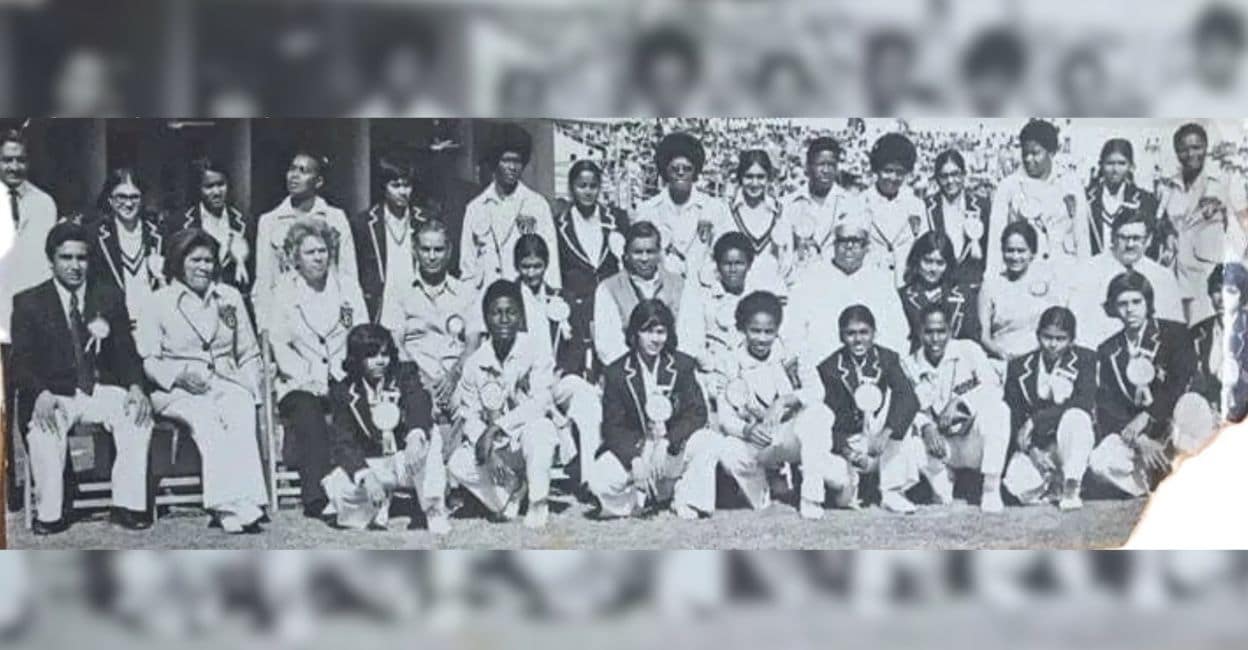
However, a significant milestone in the growth of women’s cricket passed by almost unnoticed in the week that went by, when media attention was focused on the WPL players’ auction that was held at Kochi. It took the effort of some of the valiant cricketers who were part of the historic event to remind the lovers of this sport that the first-ever test match played by Indian women commenced on 31 October 1976. This game, which was played over three days, was held at Chinnaswamy Stadium in Bengaluru and saw India take on the West Indies. For the record, the match ended in a draw, with India taking the lead in the first innings. Incidentally, huge crowds watched this match as well as the other tests in this series.
India was led in this test by Shantha Rangaswamy, one of the pioneers of women’s cricket in its early days. Shantha was an all-rounder, a middle-order batter, who could also bowl at a brisk medium pace. She was an astute skipper and led India to a first-ever win in tests, which was against West Indies at Patna in 1976, besides leading India in 12 tests during the formative period of the women’s game in the country. She also scored the first century for the country- 108 against New Zealand at Dunedin in 1977. She donned the national colours for 15 years and hung up her cricketing boots only in 1991, after the tour to Australia.
Shantha kept herself involved with the game even after her retirement. She became a commentator for All India Radio and was actively involved in the conduct of the women’s game in the country. In 2019, she became the first woman to be made a member of the apex council of the Board of Control for Cricket in India (BCCI), and she was elected as President of the Indian Cricketers Association in 2025. She was honoured with the Arjuna Award by the Union Government and with the Lifetime Achievement Award by BCCI. Karnataka Cricket Association named a stand after her in the Chinnaswamy Stadium at Bengaluru.
The next woman to lead the national side was Diana Eduljee, a left-arm spin bowler, who was also part of the side that played against West Indies in 1976. Diana grew up in Mumbai and played, besides cricket, basketball and table tennis at the state level. She was a proverbial workhorse and could bowl for hours on end, without lapse in line and length. She holds the record for bowling the maximum number of balls (5098) in women’s Test matches, besides being the highest wicket-taker for India in this format, with 63 dismissals. She turned out for India in international cricket till 1993.
Diana was one of the four administrators appointed by the Supreme Court to oversee the functioning of BCCI in the aftermath of the appointment of the Justice Lodha Commission to enquire into the working of this body. She was a fierce champion for promoting women’s cricket and often found fault with BCCI for its approach towards this aspect. Like Shantha, she was honoured with the Arjuna Award and Padma Shri and was inducted into the International Cricket Council (ICC) Hall of Fame in 2023. She has a stand named after her in Wankhede Stadium in Mumbai.
Amongst the lot who made their debut when Indian women played their first-ever Test match in October 1976 was Shubhangi Kulkarni, a 17-year-old hailing from Pune. An all-rounder who batted in the middle order and bowled leg spin, Shubhangi picked up 5 wickets in the West Indies first innings, thus becoming the first Indian to bag a five-wicket haul. She ended with match figures of 7 wickets for 76 runs and won the “Player of the Match” award for this performance. This was the first of her five 5 wicket hauls in Tests, which places her, along with Mary Duggan of England, at the top of the list of bowlers with the maximum number of such returns in an innings. Shubhangi ended up as the highest wicket taker in this series as well, with 23 scalps, which still remains a record. She too played for India till 1991 and scored a century in tests as well- against England, at Wetherby in 1986. In between, she also led India in three tests.
After retirement, Shubhangi was elected as the Secretary of the Women’s Cricket Association. It was during her term in this post that BCCI took over the running of women’s cricket in 2006. She also subsequently served in the Apex Council of BCCI.
Another cricketer who made her debut at Bengaluru in 1976 and continued playing for India till 1991 was Sudha Shah. Though she hailed from Kannur in Kerala, Sudha played all her cricket at Chennai. She was a top-order batter who could bowl occasional off-spin. Though her record at the international level does not match those of the cricketers mentioned earlier, she served as the coach of the national side with great merit. It was under her tutelage that Indian women recorded their first-ever Test series victory in England in 2006. She and Shubhangi were the two pillars who kept the flag of women’s cricket in India flying till BCCI took over its administration in 2006.
Susan Itticheria, a fast bowler, also played in the first-ever Test match and picked up one wicket in the West Indies’ first innings. Like Sudha, she played all her cricket in Chennai, despite being born in Kerala. Though she played in only 7 Tests, she gained more fame in her later life as the mother of Dipika Pallikal, the squash player who became the first Indian woman to break into the top 10 rankings in the world in this sport. Incidentally, Dipika married Dinesh Karthik, the former wicketkeeper-batsman, who played for the country with distinction for many years.
The youngest cricketer in this side was Sharmila Chakravarty, the left-arm spin bowler from West Bengal, who was only 15 years old when she played this match. Sharmila remains the third youngest woman to play in women’s Test cricket. She picked up 5 wickets for 25 runs in the third test of this series, which made her the youngest woman cricketer to bag a five-wicket haul in tests, a record that stands to this day. But she did not have a long career, as she played in only 11 tests, picking up 19 wickets. Her last test was against Australia in 1984.
The other members of the Indian team who played in this test were Sandhya Mazumdar and Sobha Pandit, the opening batters, Fowzie Khaleeli, the wicketkeeper, Ujwala Nikam, a middle-order batter and Behroze Edulji, an opening bowler.
On this occasion, when we mark the golden jubilee of the first ever test match played by Indian women, we must acknowledge the stupendous contributions made by these cricketers. They took to the sport solely due to the love for the game, and the passion for playing it kept them going, with little coming their way as rewards or remuneration. The solid foundation laid by these brave women was used by the cricketers of following generations to build the magnificent edifice of women’s cricket in India. Many of these cricketers continue to be involved with the development of the game as administrators, showing that their fierce dedication to the game remains undimmed despite the passing years.
Let us salute Shantha Rangaswamy and the team she led to the field on 31 October 1976 to mark a new page in the history of cricket in India!
Well played, ladies! The nation is proud of you!