
Editorial: Gear up for battle against child obesity
Fueled by changes in lifestyles and food habits, India may well have become an epicentre of the , particularly affecting children and young adults. The country is projected to account for more than 11% of the global childhood obesity burden by 2030 if current trends continue. Against this grim backdrop, the World Health Organisation’s first-ever global guidelines on integrated management of obesity in children and adolescents come as a welcome development and could go a long way in reversing the trend if implemented in the right spirit. Until now, the WHO had obesity recommendations only for adults. Given the alarming global rise in obesity—400 million children and adolescents were overweight in 2024—it has launched two sets of guidelines—covering 0 to 9 and 10-19 years—essentially focusing on , and behaviour-change support. Importantly, the global body has recommended that anti-obesity medications could be considered for adolescents only when supervised lifestyle programmes fail to achieve required health targets. It has said a strict no to pharmacological treatment, bariatric surgery or weight-loss devices for children aged 0-9 years, citing doubts over their safety and long-term effectiveness. The guidelines say that anxiety, depression and low self-esteem can contribute to unhealthy eating, physical inactivity and social withdrawal. According to the World Obesity Atlas 2026, over 14.9 million Indian children aged 5-9 years and 26.4 million adolescents aged 10-19 were living with in 2025.
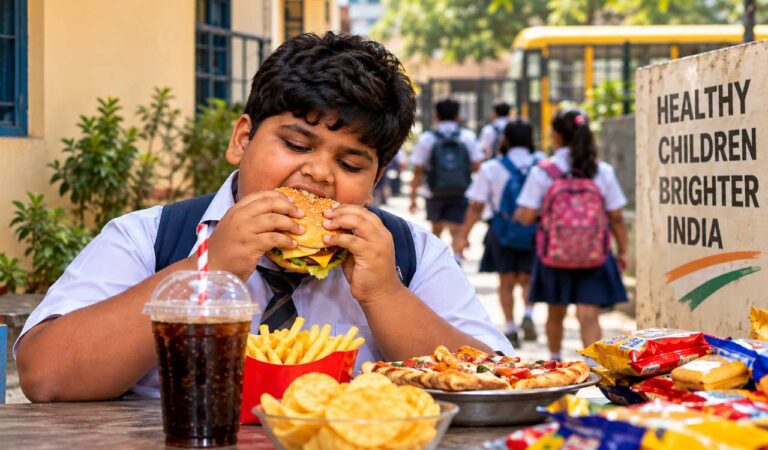
India ranks second worldwide behind China and is growing fast. It is estimated that 20 million children could be living with obesity by 2040, while 56 million may be overweight. Also, at least 120 million school-age children could show early signs of chronic diseases such as hypertension and cardiovascular disease linked to high Body Mass Index (BMI). India’s challenges are particularly complicated because it confronts a double whammy: simultaneously. The Indian Academy of Paediatrics’ guidelines, issued in 2023, recognised the gravity of the problem. They recommended that highly obese children be assessed for associated conditions such as hypertension, abnormal blood lipids, diabetes and fatty liver disease. India’s approach concurs with that of the WHO in recognising that containing obesity-related maladies requires a concerted effort involving parents, paediatricians and schools. The WHO’s new guidelines rooting for supportive environments for children are particularly important for India. A growing body of research has underlined that children with limited access to often rely on poor and unhealthy diets. Policymakers should take note of the global health agency’s call for systemic change. Comprehensive national action plans are needed to prevent and treat obesity. The WHO’s guideline is not just clinical — it’s a preventive public-health call. Implementing the ‘’ model through schools, primary care, and family-level behaviour change will be critical for India to avoid a tidal wave of early-onset diabetes and hypertension.