
Delhi Pollution: Indoor Air in Some Homes Has 50% More Fine Particles Than Outdoor Levels, Study Finds
Air pollution inside poorly ventilated homes in south Delhi may be significantly worse than the air outside, with kitchens recording nearly 50% higher levels of fine particulate matter, according to a study published in the journal Discover Environment in 2025.
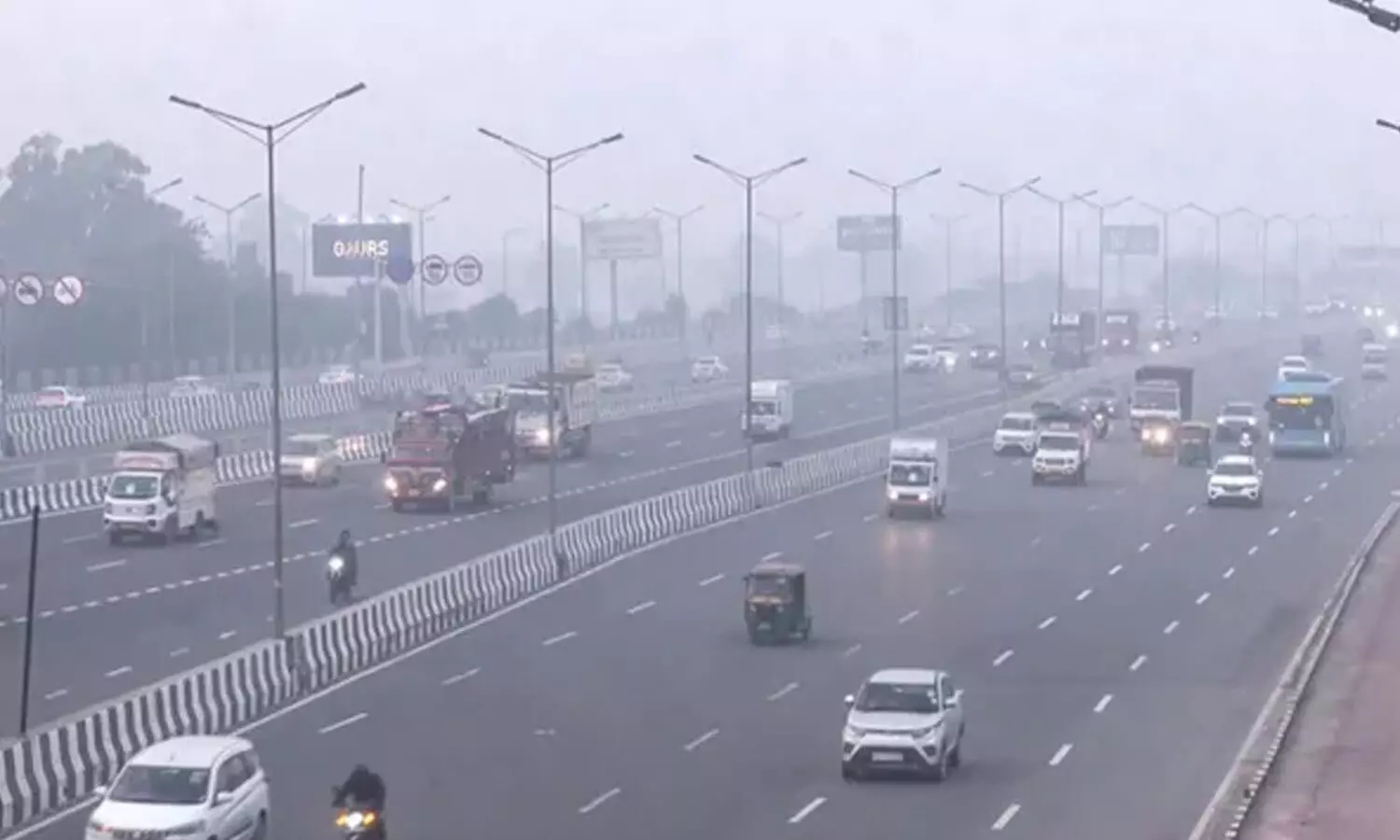
The study, which included indoor and outdoor air sampling in 24 homes in four slums in South Delhi, revealed that consistently indoor air was found to be more polluted than outdoor air. Dwelling units with poor ventilation had especially high levels of pollution.
Poorly ventilated homes had indoor PM2.5 levels higher
The research revealed that the average indoor PM2.5 in poorly ventilated houses was 119.17 micrograms per cubic metre while the outdoor average was 79.34 micrograms per cubic metre.
The mean concentration of PM2.5 in the indoor environment of the households was 77.34 micrograms per cubic metre, while the average in the outdoor environment was 56.14 micrograms per cubic metre, in homes where the kitchen exhaust system was working well. This represented that indoor pollution was still 38% higher, even with improved ventilation.
The difference was also found on PM10 level. Indoor levels were 138.63 micrograms per cubic metre while outdoor levels were 91.19 micrograms per cubic metre in poorly ventilated homes. The readings were 89.51 and 64.81 micrograms per cubic metre in better-ventilated homes.
The overall average level of PM2.5 for poorly ventilated homes was about 54% higher than for the better ventilated homes. The difference for PM10 was around 55%.
Study reveals that increased pollution levels are found in kitchens
The mean levels of PM2.5 ranged from 44.2 to 167.7 micrograms per cubic metre (µg/m3) across all 24 homes monitored, while outdoor levels averaged 67.74 micrograms per cubic metre.
The average indoor concentration of PM10 was 114.07 micrograms per cubic metre versus 78 micrograms per cubic metre outdoors. This was about 46% higher than the indoor value.
The results indicate that indoor areas, especially the kitchen, can be a significant source of indoor particulate pollution even if the outdoor air quality is poor.
Indoor and outdoor air quality measurements were taken by researchers, as described below.Researchers measured air quality indoors and outdoors, as described below.
Homes were monitored in Shaheen bagh, Jasola vihar, Batla house and Okhla vihar in south Delhi. Data was gathered from February to April 2023.
Air pollution levels were measured both inside kitchens and outside on the balconies. Each family house was observed for 8 hours/day for 3 days.
A night-time monitoring was not implemented because of privacy issues. The homes were categorized according to the use of working kitchen chimneys or exhaust fans during the period of monitoring.
The research team comprised scientists from Jamia Millia Islamia, New Delhi; Jazan University, Saudi Arabia and Baba Ghulam Shah Badshah University, Rajouri, Jammu and Kashmir.
Cooking, Cleaning and Poor Ventilation May Add to Indoor Pollution
The research associated with higher indoor particulate concentrations with household activities, lack of ventilation, and infiltration of polluted outdoor air into the homes.
Cooking, cleaning, smoking and burning incense can cause the release of particles in the indoor environment. They can build up in the absence of adequate ventilation rather than being eliminated from the system.
The researchers, however, did not measure the contribution of each of the cooking, traffic pollution and dust individually to the overall particulate levels.
Cleaning up air pollution indoors: What do you need to do?
The results emphasize the need to enhance the air quality and reduce indoor pollution sources. Cleaning up kitchen chimneys and exhaust fans, improving indoor ventilation, and minimizing indoor smoke and particle source activities can improve indoor air quality.
The findings also highlight that protection from outdoor pollution might be insufficient, as there can be indoor sources of PM.