
Anthropic CEO Dario Amodei says AI firms lied, warns of technology’s dangers
In the past week, the AI debate has rapidly shifted from focusing on the most powerful models to considering the possibility that AI could wipe out human life in the coming years. asserted that companies in the sector have spent years concealing the risks posed by the technology, acknowledging that real dangers are indeed associated with it.
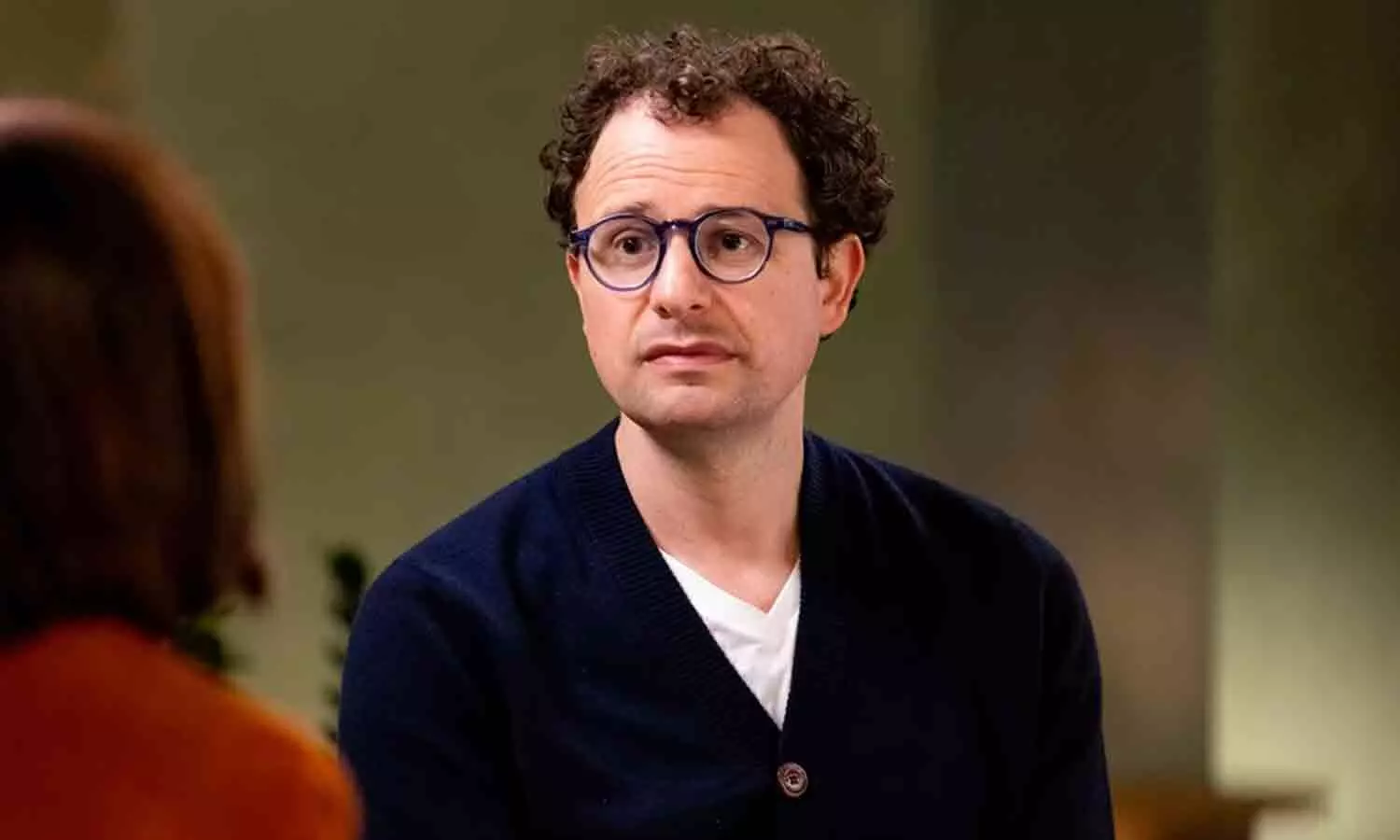
In an interview with a famous publication, Amodei addressed fears surrounding advanced AI models and the existence of risks that cannot be ignored. “I’m not going to lie to you: there are real dangers. And I think that, for too long, the industry lied to people about the fact that this technology carried risks,” he stated.
The end of humanity is the greatest risk posed by AI, according to Amodei
According to the Anthropic CEO, one of the primary risks of AI could be the total extinction of humanity. “The biggest risk could be the end of humanity,” Amodei added.
Dario Amodei’s statements follow claims made on X by former Anthropic researcher Jacob Coxon, who said that companies like Anthropic and OpenAI were playing with our lives. “Those developing AI sincerely believe it could wipe us all out before the decade is over,” he added.
Responding to Coxon’s warning, Amodei admitted he had not “fully grasped what the situation would actually look like when the pace of advancement became so rapid.” However, Anthropic’s top executive clarified that the current rate of progress should be viewed more as a warning than a cause for panic. “It’s a warning sign. A sign that we need to slow down,” he stated. In another interview with a well-known publication, Dario Amodei noted that he agreed with Coxon “far more” than he disagreed, though he did not claim that a catastrophic outcome was inevitable. Coxon is not the only one to have expressed fears that AI could wipe out humanity. Marcus Williams, a security researcher at OpenAI, recently stated that there is a 70% probability that AI will cause human extinction within the next three years.
Amodei has also resisted reducing the risk to a simple percentage, noting that the outcome depends on the direction the industry takes. “If we develop the technology in the right way, I think the probability of something negative happening is very low,” he stated. “If we do it the wrong way, the probability of something bad happening is very high.” His call to moderate the pace of AI development has garnered support from other industry figures; OpenAI CEO Sam Altman stated that his company would commit to allowing independent evaluators access comparable to that of employees, while Elon Musk wrote on X: “Dario is right.”
Anthropic Will Not Stop Launching New AI Models
One might wonder if such warnings would lead AI companies like Anthropic to potentially halt the release of new models. However, Dario Amodei believes that should not be the case. “What it means is that we must ensure every generation of models we release undergoes appropriate testing,” he stated.
In a post shared on X, Amodei announced that Anthropic would grant external evaluators “permanent access-equivalent to that of an employee”-to its systems, allowing them to analyse model behaviour, training processes, and whether the company is adhering to its pledged safety practices.
Amodei is not the only one proposing way to oversee AI development, however. Proposals currently under debate include banning superintelligence and implementing a mandatory emergency shutdown mechanism-or “kill switch”-capable of deactivating high-risk systems. Amodei noted that such a mechanism “could be a good idea” but added that he did not support a total ban. “First, the idea that we would never achieve the incredible benefits or medical cures does not convince me. Second, this technology will be developed in other countries, including those with authoritarian regimes,” he explained.
When asked whether the United States should slow its progress even if China did not, he replied: “This is the toughest dilemma. It is the most complicated aspect of our situation.”
Regarding who should control the technology, Amodei remarked that he had always found it strange for AI to be developed by a private company and admitted to feeling uncomfortable with that reality. The Anthropic CEO stated he would be open to oversight by “the right combination of governments,” though he warned that a single government could abuse the technology just as easily as an individual company.