
Mukkutti health benefits: Why this tiny sacred plant is an Ayurvedic goldmine
Published: October 21, 2026 10:38 AM IST
Updated: October 21, 2026 11:25 AM IST
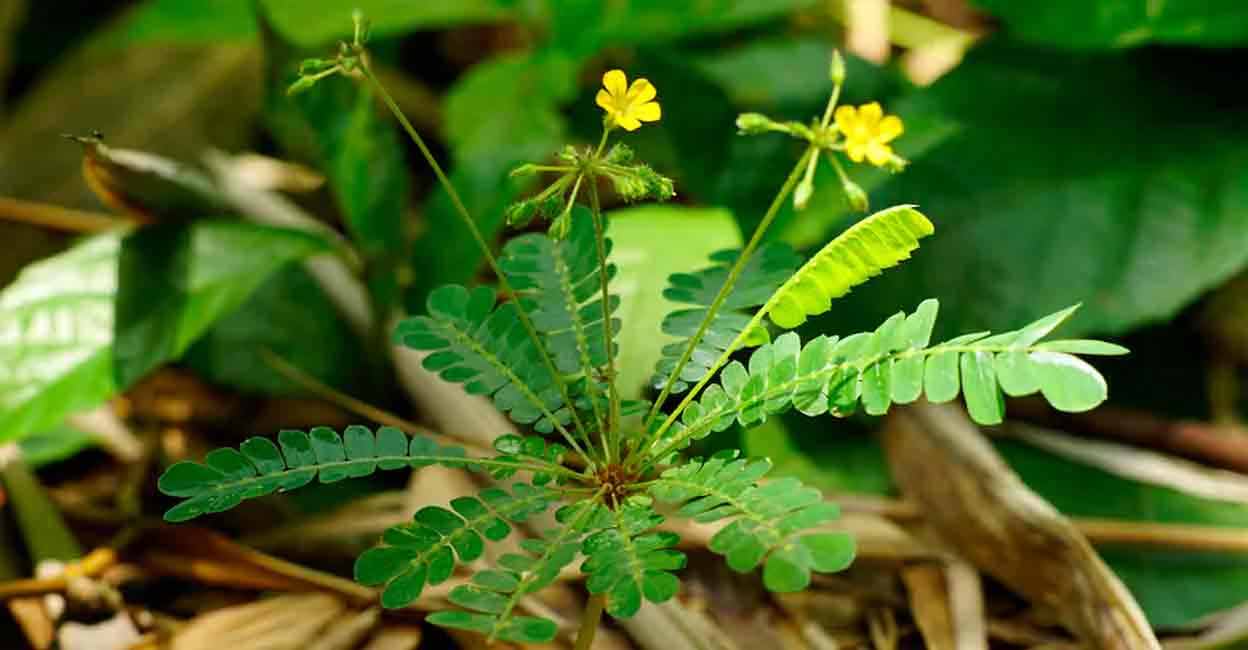
In traditional South Indian culture, particularly across Kerala households, ‘Mukkutti,’ the little plant that looks like a miniature coconut tree, holds a cherished place. Recognised as one of the ‘Dashapushpam’ or 10 sacred plants of Ayurveda, women even used to wear it traditionally in their hair as a symbol of prosperity.
Scientifically known as Biophytum sensitivum, this delicate herb is known by various names across regions, including Lajjavanti, Jalapushpa, and Samanga. Despite its humble appearance, Mukkutti is widely regarded as an uncrowned king of folk and Ayurvedic medicine.
Wholesome therapeutic value
Thriving in moist soil during the monsoon, Mukkutti is commonly spotted along roadsides, riverbanks, and open yards. Standing merely 5 to 15 cm tall with small, vivid yellow flowers, the plant conceals a sophisticated biochemical profile. Rich in flavonoids, biflavones, phenolic acids, saponins, tannins, polysaccharides, and essential oils, every single part of this plant, from root to flower, possesses therapeutic value.
Natural remedies for respiratory and skin ailments
In folk healing, Mukkutti is frequently turned to for balancing Kapha and Pitta doshas. For chronic coughs, consuming crushed Mukkutti blended with a teaspoon of honey offers prompt relief. Those suffering from asthma or respiratory congestion often benefit from drinking Mukkutti paste mixed with tender coconut water, or sipping water boiled with the whole plant. Applying a freshly ground paste on the forehead helps soothe fever-induced headaches, while topical application of crushed leaves and stems accelerates the healing of cuts, ulcers, and itchy skin rashes.
Supporting uterine, kidney, and digestive health
Mukkutti also plays a vital role in reproductive and metabolic health. Consuming leaf paste combined with palm jaggery is traditionally believed to tone and strengthen the uterus. To combat diarrhoea, a simple mixture of leaf paste stirred into fresh buttermilk works wonders. Furthermore, root formulations help flush out kidney stones, ease urinary tract discomfort, and manage conditions like piles and hydrocele. Traditional practitioners also advocate a nightly milk decoction made with Mukkutti to improve nerve strength for both men and women.
Important safety precautions and dosage
While Mukkutti boasts extensive health benefits, it must be consumed with caution. Because it acts as a uterine stimulant, pregnant and breastfeeding women should strictly avoid internal use.
People with low blood pressure or those taking antihypertensive medications should also exercise caution, as the herb can cause blood pressure to drop further. Additionally, because certain compounds in Mukkutti promote blood clotting, individuals taking blood thinners such as warfarin or aspirin must refrain from using it.
The recommended daily dosage of fresh whole-plant paste or leaf juice is 5 to 10 ml, as excessive intake may trigger stomach cramps or diarrhoea. Unsurprisingly, this potent herb remains a primary ingredient in trusted classical Ayurvedic preparations like Chemparathyadi Kera Thailam and Nishkanthakadi Gulika.