
Who is Journalist in Digital Age? SC Raises Concern
The has flagged the possibility of problems if all citizens are allowed to be considered journalists, especially when it comes to identifying accredited journalists from independent journalists and social media content makers.
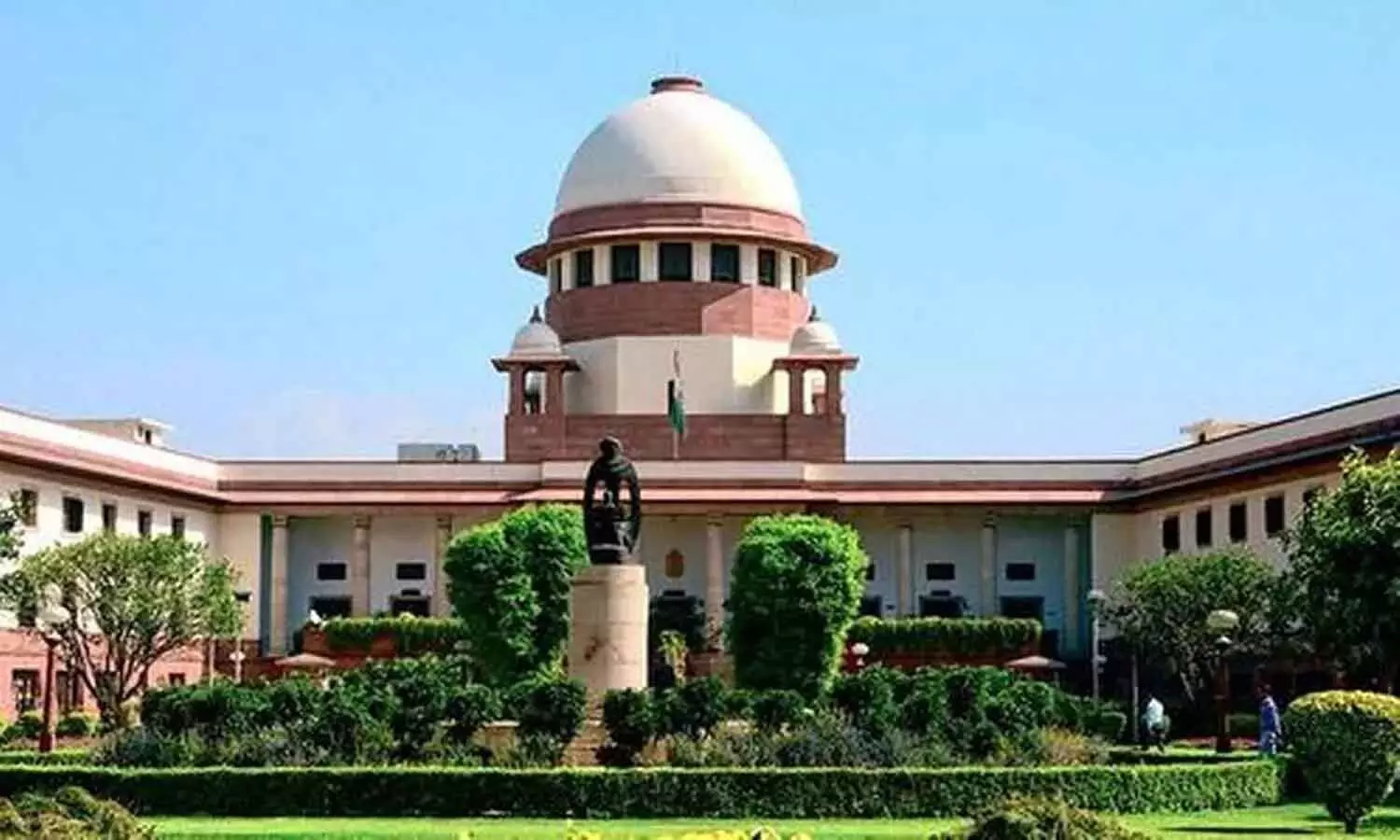
The remarks followed on Thursday when Chief Justice of India Surya Kant and Justice Joymalya Bagchi presided over a bench to hear petitions over alleged harassment, assault and detention of journalists during the protests in the national capital on October 10 and 11.
The petitions called for the protection of freelance journalists, independent reporters and other media workers who said they were experiencing difficulties reporting on the demonstrations.
In the course of the hearing, the court pointed out that the right to freedom of expression brings forth the question of whether all citizens can call themselves journalists and have the same rights and privileges.
Justice Bagchi said that it would need to be studied thoroughly and see if different categories of media professionals should be accorded different protection.
Supreme Court considers the various categories of journalists
The bench admitted difficulty in distinguishing between journalists accredited by established news media, freelance journalists and independent reporters and social media influencers.
The court stated that it would have to consider multiple tiers of protection for journalists working for registered media outlets, accredited reporters, freelance and digital content makers.
A woman journalist whom Sen has represented, was assaulted by a male Delhi Police officer during the protests, said Jaising, who is a senior advocate. She also agreed to make a report under a sealed cover in which she will provide the names of female journalists allegedly assaulted or harassed.
The bench has thanked the parties for pointing out the serious nature of the allegations and noted that it needed to consider the same, including investigations into how the incidents should be conducted.
Solicitor General Tushar Mehta contended that in the current environment of rapid development of digital platforms, it was becoming difficult to define the journalist category.
He said that those with a microphone or a cellphone usually consider themselves as journalist, while some might even just be making reels for engaging with social media or making money.
Mehta also warned that some online creators might give a skewed version of events or sensationalize an incident to gain attention.
He, however, believed that women journalists should not be subjected to harassment and that the same should be accorded to women police.
The court has heard allegations of police action during the protests in Delhi.
The hearing is part of a series of petitions that cover protests on October 10, 11 in Delhi. The issues include allegations of undue police response to protesters, lawyers and journalists.
The Supreme Court has asked the Union government to comment on the allegations of assaults on persons during the demonstrations.
The bench also heard a plea for the return of camera equipment which was allegedly seized by the police.
The proceedings have also highlighted the issue of safeguarding press freedom and the need to gauge the nature of safeguards to be given to various categories of journalists in a digital media world.