
Temple Wearable Nears Launch; It uses PPG technology
Deepinder Goyal’s Temple wearable is moving closer to its launch, with the Zomato founder revealing more about the device’s technology, safety and possible applications. Goyal has also indicated that pre-orders will open soon, with early-access waitlist members expected to receive priority.
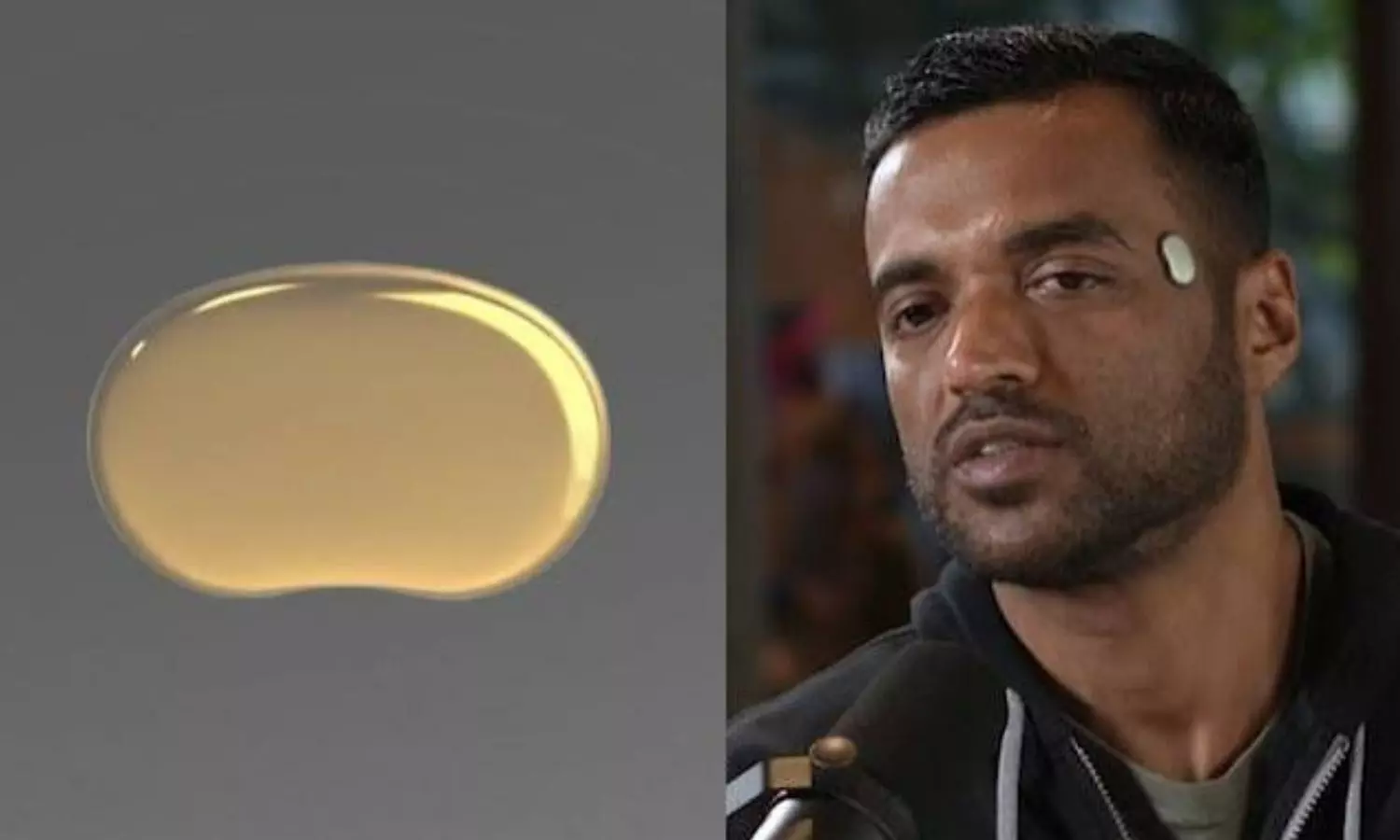
Temple is a small wearable designed to be placed around the temple area of the head. While its focus on brain-related measurements has attracted attention, Goyal has clarified that the basic sensor technology used in the device is similar to what is already found in popular smartwatches.
Temple uses PPG technology
Responding to a question about whether Temple should have an age restriction because it monitors signals linked to the brain, Goyal explained that the wearable uses a photoplethysmography (PPG) sensor.
“We use a PPG sensor. Same as Apple Watch, and other wearables. Nothing in there which can hurt a developing brain,” Goyal said.
He added that he does not see much reason for anyone under 18 to use Temple unless they are training for something such as the Olympics.
PPG technology uses light to detect changes in blood volume and is commonly used in wearable devices to monitor measurements such as heart rate. Temple takes the technology in a different direction through its BrainFlow system, which is being developed to track changes in blood flow associated with the brain.
BrainFlow undergoing validation
Goyal recently shared details about a second validation study involving Temple BrainFlow. The system was tested against time-domain NIRS, a technology capable of distinguishing changes in blood volume in the brain from those occurring in the scalp.
According to Goyal, the study involved 60 participants and recorded correlations ranging from 0.84 to 0.91 with brain blood volume across three physiological tests.
The company says the study is currently available as a preprint and has been submitted for peer review. Independent research and further validation will be important in determining how accurately Temple can measure these signals and what conclusions users can draw from the readings.
Goyal has also discussed possible connections between blood supply to the brain and areas such as sleep, hormone regulation, immunity and recovery. However, it remains unclear how much Temple can directly measure these functions, and more scientific evidence will be needed before such readings can support broader conclusions.
Possible use beyond personal tracking
Temple could eventually find applications outside everyday health and wellness tracking. When an X user suggested using the device to monitor restaurant managers or chefs during stressful shifts, Goyal pointed towards aviation and defence as possible use cases.
“I would certainly have it on pilots to check if they are fit to fly. And on the air force to check who is the fittest to fly a mission today,” he said.
Such applications would require strong scientific validation, particularly because decisions involving pilots or military personnel could carry significant consequences.
Temple price in India
The expected Indian price of Temple remains unclear. Some leaks and reports have suggested that the wearable could cost close to ₹1 lakh, although this has not been officially confirmed.
More details are expected closer to launch. With Goyal recently saying that pre-orders will open soon, the company may reveal the final pricing, availability and other specifications in the coming weeks or months.