
Air India Phuket-Delhi Flight Logged 9 Warnings Within A Minute Before Sudden Altitude Drop
The Air India plane from Phuket to Delhi which suddenly lost altitude on August 4 has allegedly issued nine warning messages in a minute during flight, according to a post-flight fault log of the aircraft, which Hindustan Times quoted.
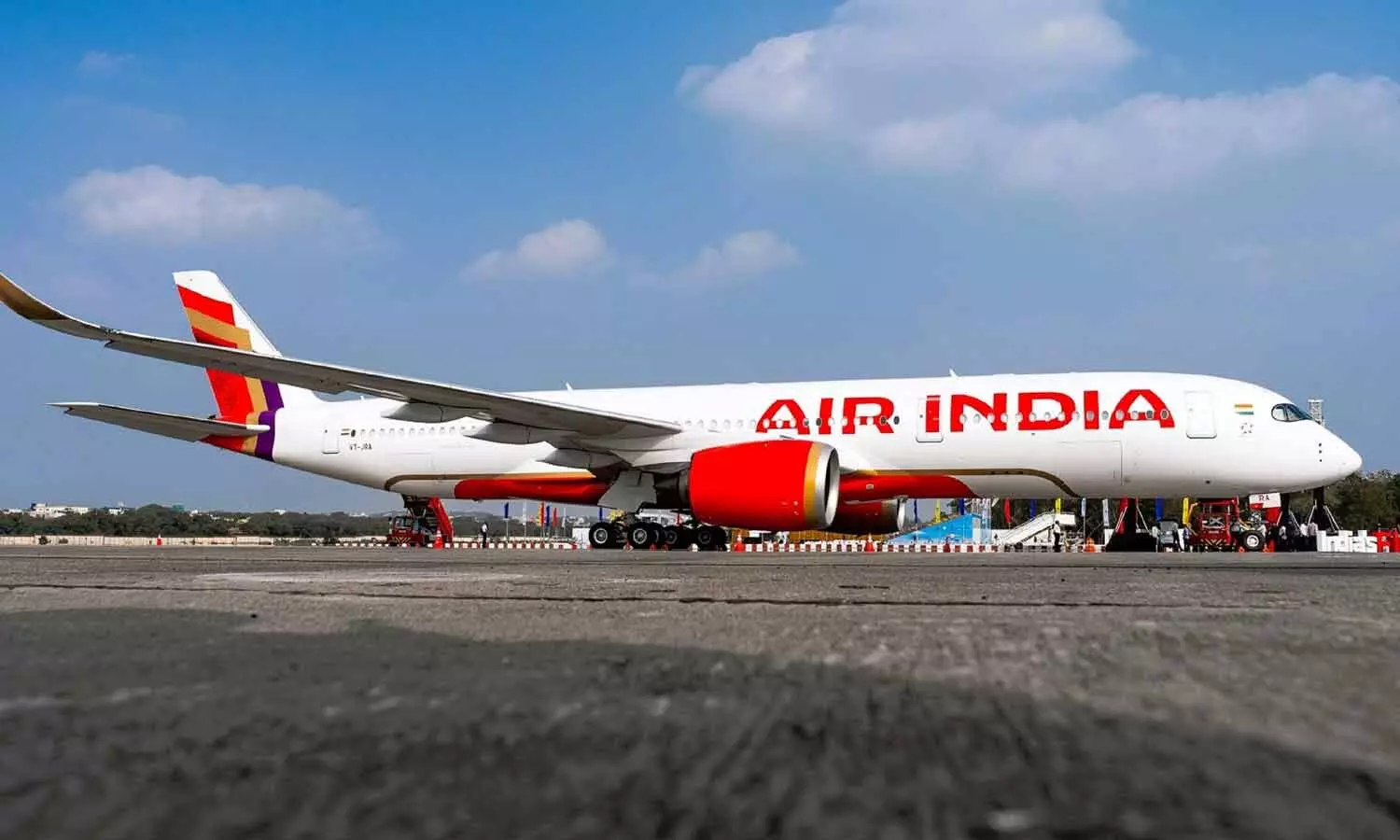
An Airbus A320 (registered as VT-EXO) crashed, causing 20 passengers and four crew members to be injured on Flight AI2379. The incident has been deemed to be serious and an investigation is underway by the Aircraft Accident Investigation Bureau (AAIB).
The Centralised Fault Display System log reports nine warnings, which came up shortly after the aircraft crossed the Odisha coast around 9.32 am IST, while it was in the air.
The warnings were related to the aircraft’s hydraulic systems and included low hydraulic pressure on various combinations of the Green, Blue and Yellow systems. Another record on the log included low reservoir levels in the Yellow and Blue systems, an autopilot disconnect and an elevator flight-control fault.
Pressurised fluid is used to control the flight-control and mechanical components of the aircraft.
The other two alerts for emergency exit door sensors occurred around 9:33 am and 9:35 am. There were no more hydraulic or elevator warnings during the next 43 minutes.
A fault “engine anti-ice” was later noted, followed by another engine autopilot disconnect at 10:52 am. The second warning was not followed by hydraulic warnings and the log records available does not explain its cause.
Flight-tracking data reportedly showed that the aircraft was flying at around 36,160 feet when the altitude anomaly occurred. It then went down to about 35,800 feet, which represented a drop of about 360 feet.
Patterns of hydraulic warnings varied from one system to another, rather than reflecting a single system in a failed condition. This may indicate a temporary event, according to the information in the fault data, but it will be up to investigators to determine the cause of the event.
The incident has also cast doubt on cockpit crew’s actions. As one of the individuals who spoke with investigators told them that the pilot reported that he had slept for about 30-35 minutes during the flight. He then proceeded to the washroom, and then get back to the cockpit where he stood behind the first officer.
The first officer was reportedly flying the aircraft when an altitude incident occurred. The captain was forced into the cockpit during the event and was able to get help from a cabin crew member sitting in the observer position.
The commander’s first post-flight drug test, on its own, was reportedly “non-negative” – which is the sign that a drug test must be retaken. A follow-up drug test later that same day was positive for marijuana.A later drug test came back positive for marijuana.
The exact sequence of events, however, between the reported cockpit conditions, warning sequence and the loss of altitude of the aircraft have not yet been determined. The AAIB investigation will review the technical data, crew actions and other factors before making conclusions.