
88 days after Monsoon Session: What is The Story behind the delay?
Indian Parliament has set a new record by remaining unprorogued for 88 days after the conclusion of the Monsoon Session. In 2008, the House remained alive for 87 days without being prorogued.
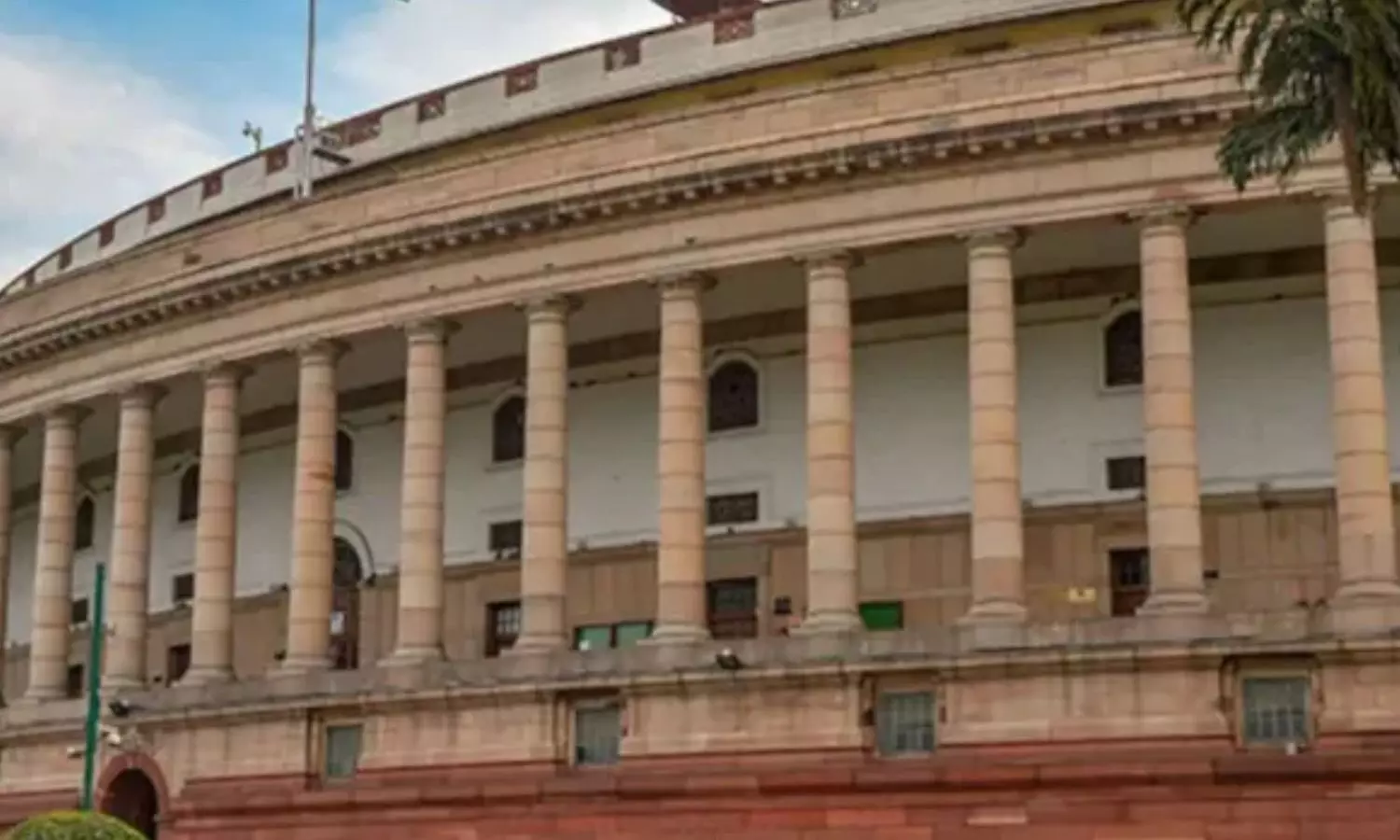
The big question is why the government has kept the Monsoon Session alive. Apparently, the decision has political significance. The proposed delimitation exercise and the implementation of the Women’s Reservation legislation have been pending for some time. The government perhaps wants to explore the possibility of getting the relevant Bills passed, paving the way for an increase in the strength of the Lok Sabha from the present 543 to 850 members.
It would also give the government an opportunity to discuss issues such as alleged foreign interference in Indian affairs and the street protests resorted to by Opposition parties, demanding the resignation of Chief Election Commissioner Gyanesh Kumar and raising allegations of ‘Vote Chori’. But the question is whether the Opposition will allow a special session to function or create a ruckus inside Parliament while staging protests outside.
It may be recalled that Union Home Minister Amit Shah had challenged Leader of the Opposition Rahul Gandhi to come forward for a discussion on ‘Vote Chori’ in Parliament, adding that he was ready to convene a special session for the purpose.
Shah’s challenge was in response to Rahul Gandhi’s statement that he was ready for a debate with Prime Minister Narendra Modi on ‘Vote Chori’ and the resignation of Gyanesh Kumar, anytime and anywhere. Gandhi said the government did not allow him to speak in Parliament and, therefore, Modi should agree to an open debate at a mutually agreed venue.
The BJP countered this argument, maintaining that such issues should be discussed only in Parliament through appropriate parliamentary motions and not on the streets.
If the Opposition does not allow Parliament to function, the BJP may seek to use this as a campaign tool in the upcoming Assembly elections, accusing the Opposition of being anti-Sanatani, anti-women and unwilling to respect the Constitution.
The BJP could also argue that the passage of the Women’s Reservation and delimitation-related legislation is essential for the future redistribution of Lok Sabha constituencies. It may point out that it had earlier attempted to secure the passage of the constitutional amendment during a special sitting of the Budget Session on April 17 but failed to secure the required two-thirds majority.
Keeping the Monsoon Session technically alive gives the government the procedural option of calling MPs back for another sitting without first formally closing the existing session and summoning a new one. This also helps avoid the longer process involved in convening a fresh session. Further, a sitting of the existing session can reportedly be convened with a minimum of two days’ notice, as against the 14 days required for summoning a fresh session.
On the other hand, Rajya Sabha Leader of the Opposition Mallikarjun Kharge wrote to Prime Minister Narendra Modi, flagging the prolonged non-prorogation of the Monsoon Session and seeking an all-party meeting to discuss the delimitation proposals before they were finalised and brought before Parliament. This was in the context of the Opposition’s contention that delimitation would have far-reaching implications for the federal structure and could adversely affect the interests of southern states.
Barring Andhra Pradesh, which is governed by the TDP-led NDA, the other four southern states — Tamil Nadu, Karnataka, Kerala and Telangana — have expressed opposition to the proposed exercise.
It now remains to be seen whether the government decides to prorogue the Monsoon Session or keep it alive for a possible special sitting. Parliament normally meets in three sessions annually: the Budget Session, the Monsoon Session and the Winter Session. The Winter Session is generally held in November and December.
Since the Monsoon Session has not been prorogued, the government must formally bring it to an end before summoning a fresh Winter Session.
The question, therefore, is whether the government will prorogue the Monsoon Session and proceed with the Winter Session in the normal course, or use the existing session for a special sitting.