
What is a speedometer and what it measures
The speedometer was initially called a Velocimeter; it holds a crucial role as a gauge that measures and displays a vehicle’s instant speed. Its purpose is not merely to showcase numbers but to serve as an indispensable guide for drivers, enabling them to understand their speed and make prompt adjustments while on the road.
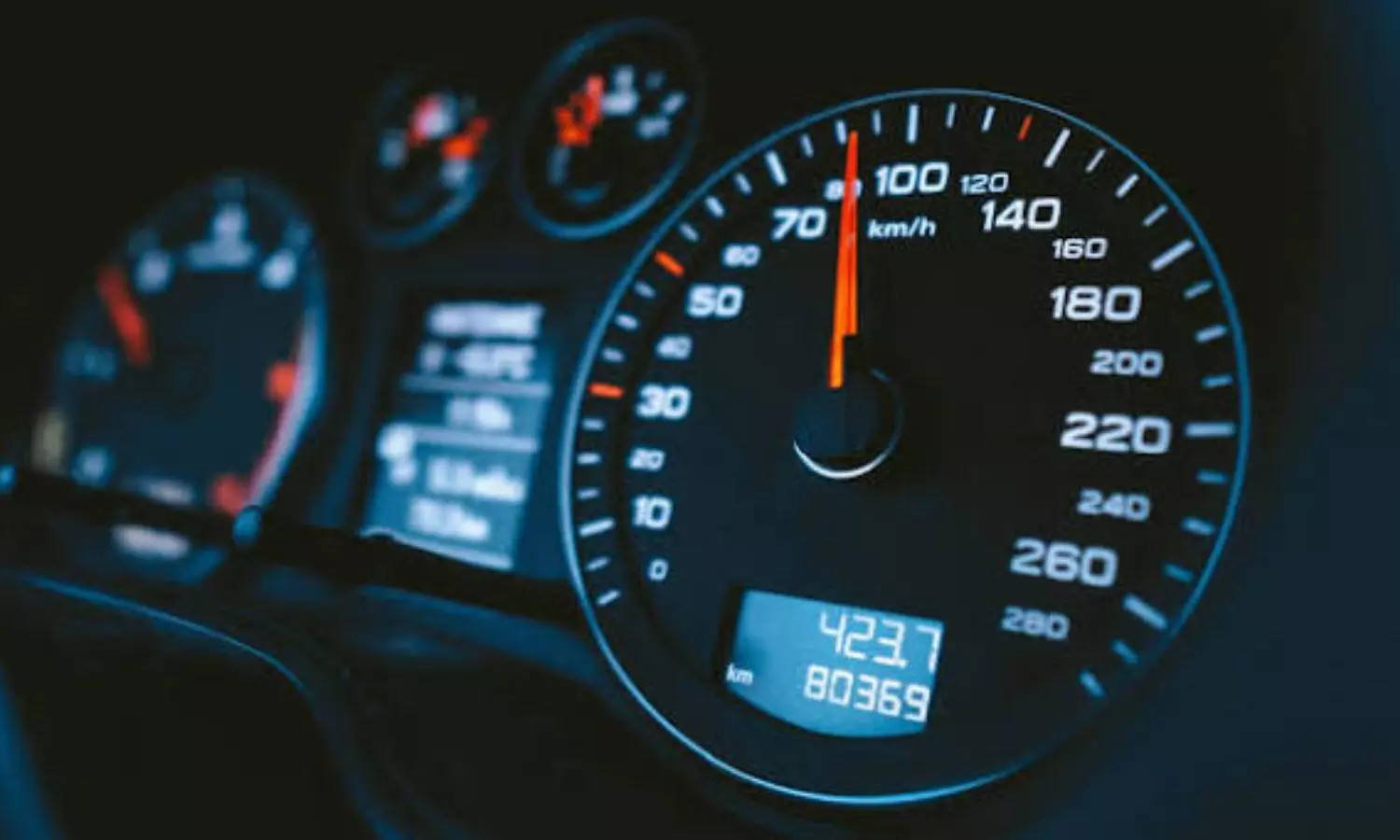
Speedometers do play a major role in offering drivers with real-time data, thus enabling them to drive responsibly by adjusting their speed as per the road conditions. However, the significance of the speedometers goes beyond mere speed displays.
Beyond its fundamental function, the speedometer significantly contributes to enhancing the driver awareness as well as safety by offering precise and immediate speed readings. It enables the drivers to make split second decisions, ensuring not only their own safety but also that of fellow road users. Moreover, we find advancement in speedometer technology has led to the development of systems like cruise control, which further enhances driving convenience. By integrating with the speedometer, cruise control enables vehicles to maintain a steady speed as chosen by the driver. Exemplifying the adaptability and utility of this vital instrument in modern automobiles.
Analog Vs Digital
Speedometers, the quintessential instrument in every vehicle, come in two main types. Analog or mechanic speedometers and digital or electronic speedometers, each functioning on distinct mechanisms.
The traditional analog speedometer operates using intricate mechanical connections. A needle, connected to the outer shaft or gearbox, displays the speed on a dial. In contrast, the modern vehicles are equipped with digital speedometers; they rely on electronic systems.