
West Bengal on Alert After Glacial Lake Outburst In Bhutan, Officials Monitor Sankosh River
Parts of North Bengal’s Dooars region have been placed on alert following reports of a glacial lake outburst in Bhutan, raising concerns about a possible sudden rise in water levels along the Sankosh River.
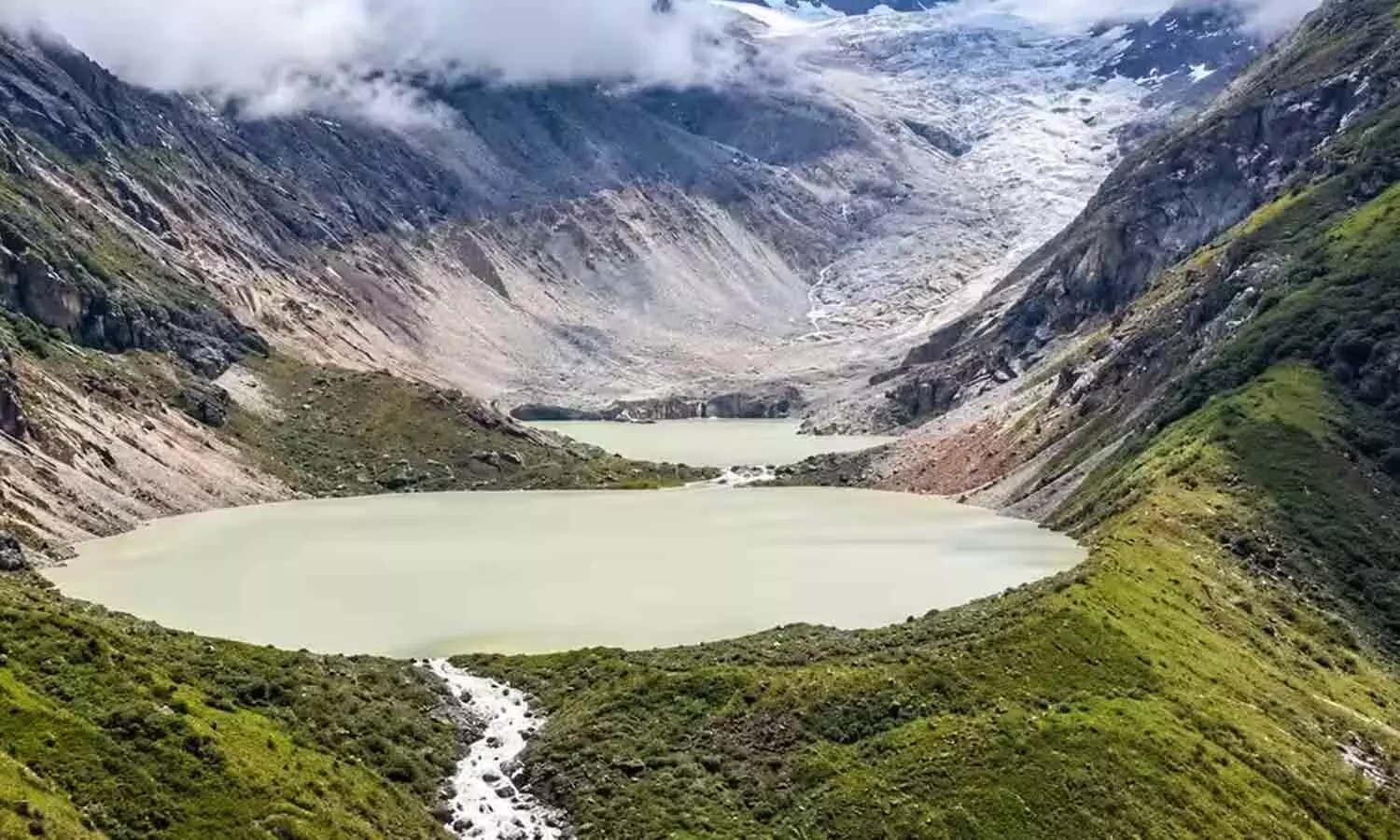
The Union Ministry of Jal Shakti has issued a special advisory for West Bengal and Assam, warning that flash floodwaters from the upper reaches of the Punatsangchhu River, which flows into India as the Sankosh, could affect downstream areas.
According to reports by Bhutanese media, the outburst occurred at Shintaphu glacial lake, situated below Wakila Mountain in the Gasa district. The Bhutan Broadcasting Service (BBS) reported that residents had been advised to move to safer locations. Shintaphu is considered one of Bhutan’s potentially dangerous glacial lakes.
Alipurduar, Dhubri districts under watch
In West Bengal, authorities are closely monitoring areas along the Sankosh River, particularly Kumargram in Alipurduar district.
“Alert has been sounded in parts of Dooars, particularly near the Sankosh River,” West Bengal Minister of State for Home and Hill Affairs Bishal Lama said.
The Jal Shakti Ministry’s advisory warned that water levels could rise suddenly in Alipurduar district in West Bengal and Dhubri district in Assam. It stated that floodwaters could reach the Indian border within six to eight hours.
Local authorities in the two districts have been asked to remain vigilant, monitor river levels closely and take necessary precautionary measures.
Previous glacial disasters raise concerns
The incident has reignited fears of glacial lake outburst and sudden mountain ice collapse in the Himalayan area.
In August, there was a big glacial collapse in Nepal, leading to catastrophic flash floods. A massive portion of an overhanging glacier and rock broke off from Langtang Lirung mountain on August 26, causing a flow of water, ice and debris down the stream.
It was reported that more than 1,400 people were killed in the disaster as result of both the geological and climatic conditions and thousands were still missing.