
‘The Last House’ review: A promising thriller that never answers its biggest questions
What if you were stuck inside your own house and there was absolutely no way out? No matter how many times you tried the door, it wouldn’t open. The windows wouldn’t help either. And you had no idea what was keeping you there.
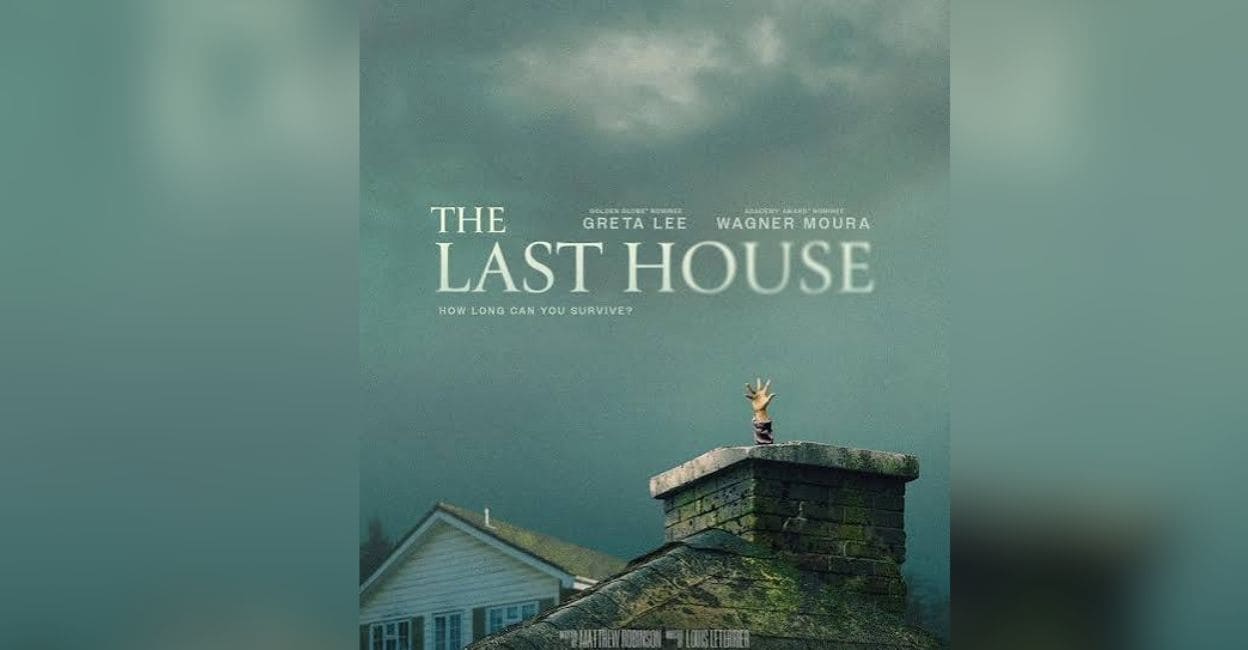
That is the starting point of ‘The Last House’, the new Netflix thriller directed by Louis Leterrier and written by Matthew Robinson. Wagner Moura and Greta Lee play Jason and Riley, a couple living with their two children, Ruth and Graham. Jason is an unemployed engineer, and the family seems to be living an ordinary life until they suddenly realise they cannot leave the house.
It gets stranger when they discover that this isn’t happening only to them. Their neighbours are trapped too, and soon there is reason to believe that the problem could extend far beyond their area.
The setup is simple, but it works. There is something deeply disturbing about being told that you can never leave your home again. And considering what the world went through during the Covid-19 pandemic, the idea of prolonged confinement doesn’t exactly feel alien anymore. The difference here is that the family has no idea what is happening outside or how long this is going to last.
For a large part of the first half, ‘The Last House’ wisely doesn’t hurry to answer those questions. Instead, it stays with Jason, Riley and their children and shows what years of being stuck together does to them.
That is easily the best part of the film.
Jason and Riley aren’t written as the kind of characters who spend the entire movie shouting at each other or making ridiculous decisions. They are scared, but they also have to get on with things. They have children to look after, food to manage and a life to somehow maintain. Moura and Lee play them without making their reactions bigger than they need to be, and that makes the family feel believable.
Of course, living with the same people inside the same house for years isn’t going to be easy. Even people who love each other need space. The film gets some mileage out of that. Jason and Riley try to keep the family together, but the strain shows. The children are growing up in a world where they don’t even know what exists outside their home.
There is something sad about that. The film is also at its most interesting when it deals with this idea of isolation. What does it do to a family when the outside world slowly becomes a distant memory? How long can parents keep pretending that everything will be fine when they don’t know whether there is even a world left to return to?
Unfortunately, ‘The Last House’ starts losing its grip once it gets deeper into its mystery.
The film eventually reveals more about the beings responsible for keeping the family inside. Without giving away what they are, the problem isn’t that they remain mysterious. A thriller doesn’t have to explain every single thing about its antagonists. The problem is that the film spends so much time making the audience wonder what is happening and then doesn’t give enough information when it finally gets there.
The obvious questions remain. Why this family? Why this house? Why has this been going on for more than five years? And what exactly do these beings want?
Some mysteries are better left unanswered. Here, however, the lack of answers starts to feel frustrating rather than clever.
The second half also loses some of what made the first half work. Once the focus shifts towards escaping the house and dealing with the external threat, the family drama takes a back seat. The film becomes more action-driven, and some of the tension built earlier starts to disappear.
The climax, in particular, feels too easy. After watching this family remain trapped for years, the way the situation is finally resolved doesn’t quite have the impact it should.
There is still plenty to appreciate. Moura and Lee carry the film well, and the idea at its centre is strong enough to keep it watchable even when the story starts to wobble. The film also has some good observations about family, parenting and the little ways people cope when there is no clear end to a crisis.
But ‘The Last House’ could have gone much further with its best idea. The creatures outside are eventually given more attention than the people inside, even though the family is where the film is most convincing.
The house was never really the interesting part. It was what happened to the people trapped inside it.
And that is where ‘The Last House’ leaves its biggest missed opportunity.