
The Future of Work Is No Longer About WFH vs Office — It’s About How Much Is Enough
New Delhi: The debate over working from home versus returning to the office may have largely settled, with hybrid work becoming the middle ground for many companies. But the bigger workplace question remains unanswered: when technology allows employees to work faster and take on more, where should organisations draw the line? According to Radhika Raichura, Co-Founder & CHRO of helo.ai by Vivaconnect, the future of work is increasingly about defining productivity, setting boundaries and deciding how much work is truly enough.
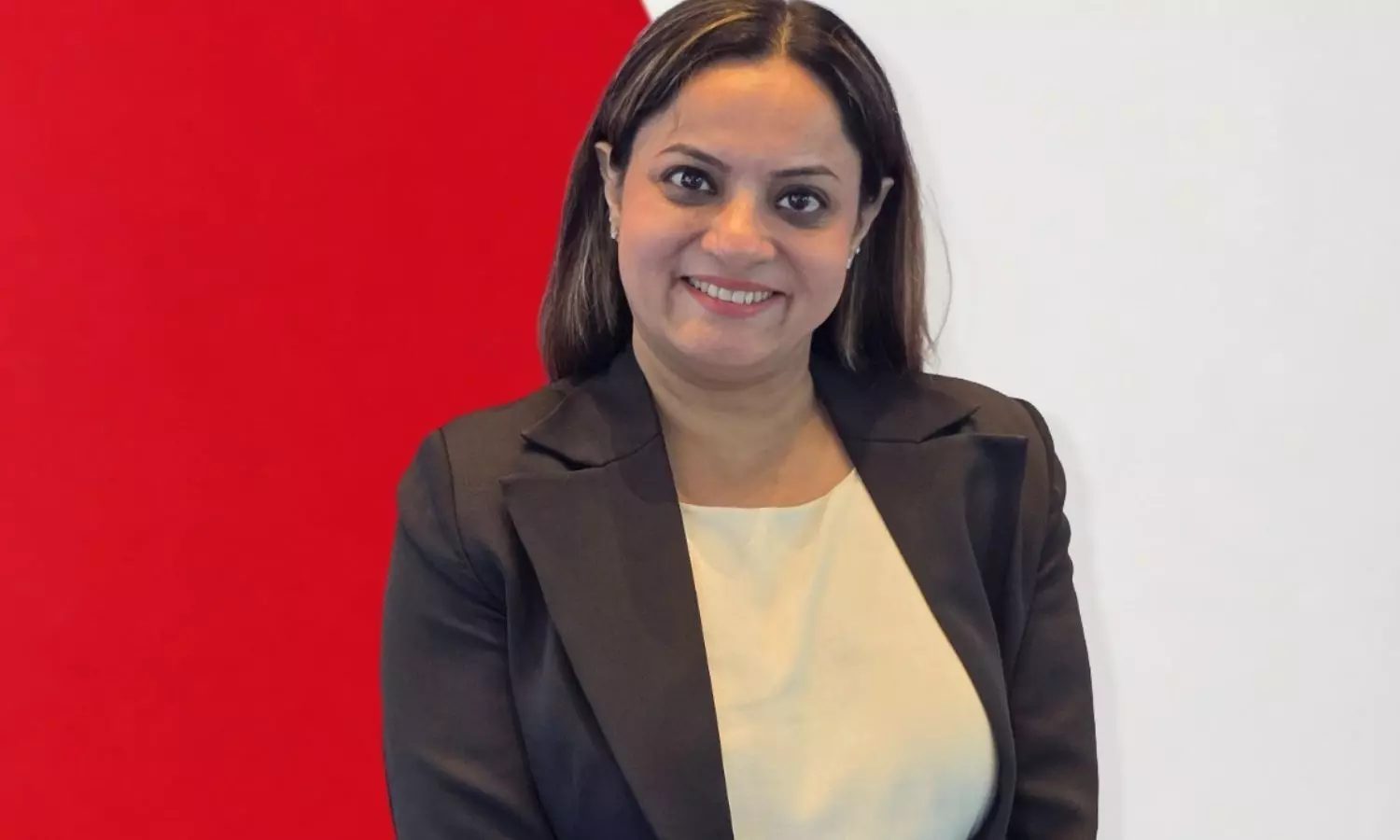
Raichura argues that the remote-work debate was never really just about location. Behind the arguments over working from home and returning to the office was a question many leaders were reluctant to ask openly: if employees cannot be seen working, how can managers know that the work is getting done?
Hybrid work may have offered a practical compromise, but according to Raichura, it did not resolve that fundamental concern. Instead, the arrival of artificial intelligence has brought the same question back from a different direction. The focus has shifted from whether managers can see employees working to how much work can now be completed — and who gets to decide what employees should do with the additional capacity created by AI.
AI arrived with a simple promise: let technology take repetitive and tedious tasks off employees’ plates and give them more time. But Raichura argues that this has not necessarily translated into more free time.
She points to a study published by Harvard Business Review earlier this year, conducted by researchers at the University of California, Berkeley, which followed employees at a US technology company for eight months after AI was introduced. Employees were not required to use the technology; they chose to adopt it. According to the study, those who used AI worked faster, took on more responsibilities and extended their working days.
For Raichura, that is the important part of the story. The time saved through AI did not necessarily become personal or free time. Instead, it was often filled with more work, much of it taken on by employees themselves.
The same dynamic can exist in a hybrid workplace. According to Raichura, giving an employee three days of working from home does not necessarily mean they have greater breathing room if they are simultaneously given enough work to keep them responding to messages late into the night. The flexibility can be genuine, but so can the pressure — and without clear limits, the two can effectively cancel each other out.
Raichura notes that this additional pressure is not always directly imposed by the company. The problem can arise when organisations fail to define how much work is enough. When there is no clear stopping point, work can continue to expand and fill whatever additional capacity employees gain through flexibility or technology.
That is why, according to Raichura, the issue is ultimately a leadership problem before it is a technology problem. A return-to-office policy is relatively easy to introduce. The much harder task is deciding how work should actually be organised and managed.
That means answering difficult questions: What counts as enough? When are employees allowed to switch off? Should people be judged by how often they are visible online or by what they actually deliver? And when technology makes it possible to complete more work, should every productivity gain automatically result in additional tasks?
Raichura believes these questions require leadership judgment and a willingness to accept that some work may need to remain undone, even when technology makes it possible to squeeze out more.
She also acknowledges that her own organisation has not completely figured out the answer. According to Raichura, they have access to the same tools, technology and speed as everyone else. The harder challenge is figuring out how to turn that speed into better work and calmer days instead of simply using it to produce more.
“I don’t think anyone has a clean answer yet,” Raichura says, reflecting the uncertainty many organisations are facing as AI becomes increasingly embedded in everyday work. For her, the real task now is not deciding whether employees should work from home or from an office. It is deciding how much work is enough — and then having the discipline to stick to that limit.
That may prove harder than writing any return-to-office policy. But as AI continues to make employees faster and more capable, the ability to set boundaries around productivity could become one of the defining challenges for leaders shaping the future of work.