
The Deccan Hospital: Expert advice on preventing “Tech Neck” in the digital age
Prolonged Smartphone and Computer Use Can Lead to Neck and Shoulder Problems, Says Orthopaedic ExpertHyderabad. Smartphones, computers and other digital devices have become an integral part of modern life. However, prolonged screen time, poor posture and lack of physical activity are increasingly contributing to neck, shoulder and upper-back discomfort.
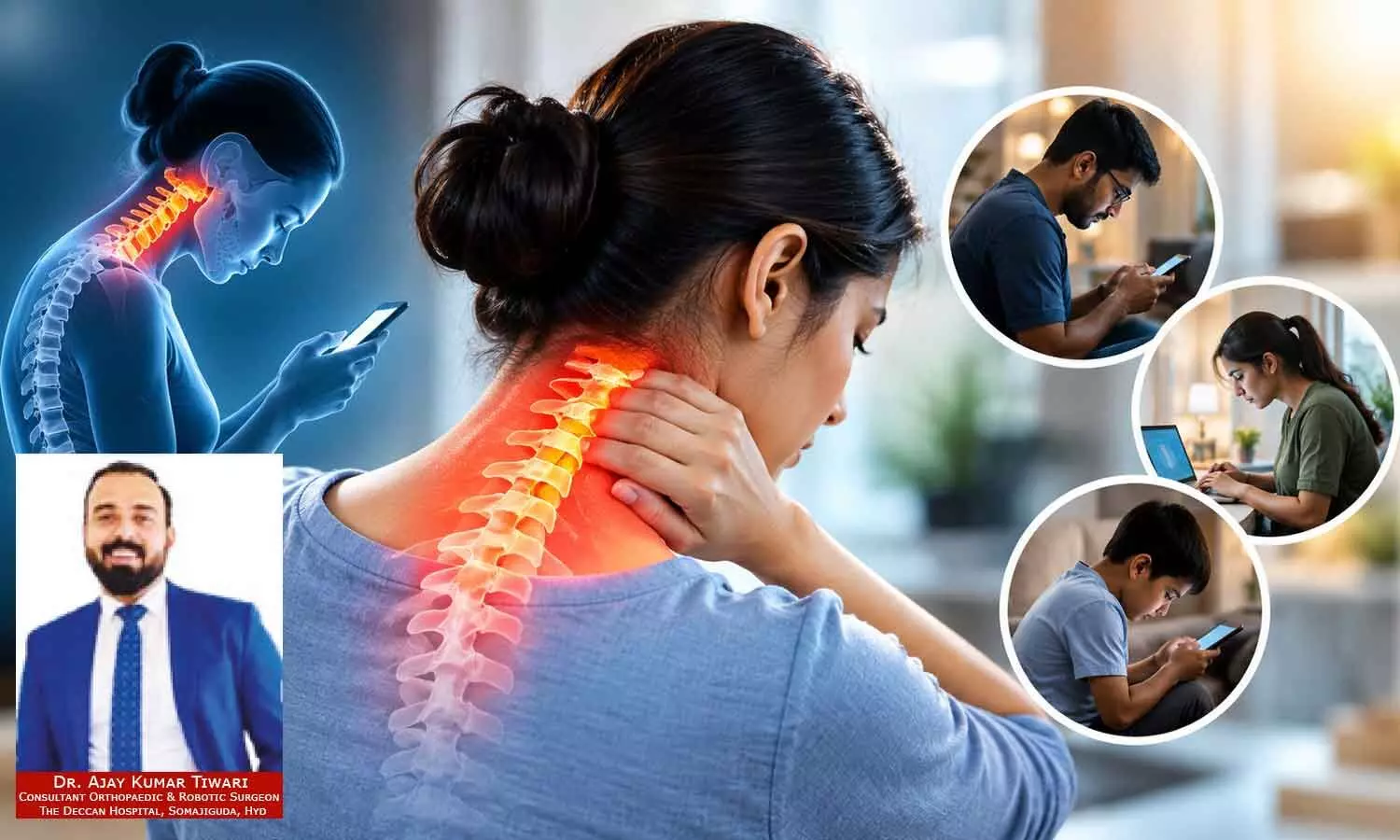
The condition commonly referred to as “Tech Neck” occurs when the neck remains bent forward or downward for prolonged periods, placing additional strain on the muscles, joints and structures of the cervical spine.
According to Dr. Ajay Kumar Tiwari, Consultant Orthopaedic & Robotic Surgeon, The Deccan Hospital, Somajiguda, Hyderabad, people who spend several hours working on computers or using smartphones should pay particular attention to posture and regular movement.
Common Symptoms
People experiencing technology-related neck strain may develop:
♦ Neck pain and stiffness
♦ Shoulder and upper-back discomfort
♦ Headaches associated with neck strain
♦ Reduced neck movement
♦ Muscle tightness and fatigue
♦ Pain that worsens after prolonged screen use
♦ Tingling, numbness or weakness in the arm or hand in some cases
“Neck pain should not always be considered a normal consequence of age or work. Persistent or recurrent symptoms require appropriate clinical assessment, particularly when pain is associated with numbness, tingling or weakness,” says Dr. Ajay Kumar Tiwari.
Prevention Through Simple Lifestyle Changes:
People who work for long periods at a desk should maintain proper ergonomics and avoid keeping the neck continuously bent forward.
Dr. Tiwari recommends:
♦ Keep computer and laptop screens close to eye level
♦ Maintain proper back support while sitting
♦ Keep the shoulders relaxed
♦ Avoid prolonged downward viewing of mobile phones
♦ Take regular short breaks during extended screen use
♦ Perform appropriate neck and shoulder movements
♦ Maintain regular physical activity
♦ Avoid self-medication for persistent pain
♦ Seek professional medical advice when symptoms continue
When Should You Consult an Orthopaedic Specialist?
Occasional discomfort after prolonged screen use may improve with rest, posture correction and appropriate exercises. However, persistent neck pain, pain radiating into the arm, numbness, tingling, weakness, balance problems or pain following an injury should not be ignored.
A detailed clinical examination can help identify whether symptoms are related to muscular strain, cervical spine degeneration, disc-related conditions or other underlying problems.
The Department of Orthopaedics at The Deccan Hospital, Somajiguda, Hyderabad, provides comprehensive evaluation and treatment for a wide range of bone, joint, muscle and spine-related conditions.
The orthopaedic team provides care for conditions including:
♦ Knee and hip arthritis
♦ Joint pain and degenerative joint diseases
♦ Sports injuries
♦ Ligament and meniscus injuries
♦ Fractures and trauma
♦ Shoulder and elbow problems
♦ Spine and neck-related musculoskeletal conditions
♦ Joint and soft-tissue disorders
♦ Age-related bone and joint problems
♦ Knee and hip replacement surgery
♦ Robotic-assisted joint replacement, where clinically appropriate
♦ Post-operative rehabilitation and physiotherapy guidance
The hospital follows an integrated approach involving clinical evaluation, appropriate imaging and investigations, non-surgical management, surgical treatment when indicated, rehabilitation and follow-up care.
Advanced Joint Replacement and Robotic Surgery
For selected patients requiring joint replacement, modern surgical techniques, including robotic-assisted joint replacement, may be considered based on the individual’s condition, clinical findings and suitability for the procedure.
The goal is to provide appropriate treatment while helping patients regain mobility and improve their ability to perform daily activities.
Expert Advice
“Technology is an important part of our daily lives, but prolonged screen use should not come at the cost of our musculoskeletal health. Maintaining good posture, taking regular breaks and staying physically active can help reduce unnecessary strain on the neck and spine. If pain persists or neurological symptoms develop, timely medical evaluation is important.”