
Supreme Court Refuses To Halt CJP’s September 5 Delhi March, Leaves Law-And-Order Decision To Authorities
The Supreme Court on Monday declined to intervene in the proposed September 5 protest march by the Cockroach Janta Party (CJP) in Delhi, saying there were no “compelling circumstances” to presume that the mobilisation would turn violent.
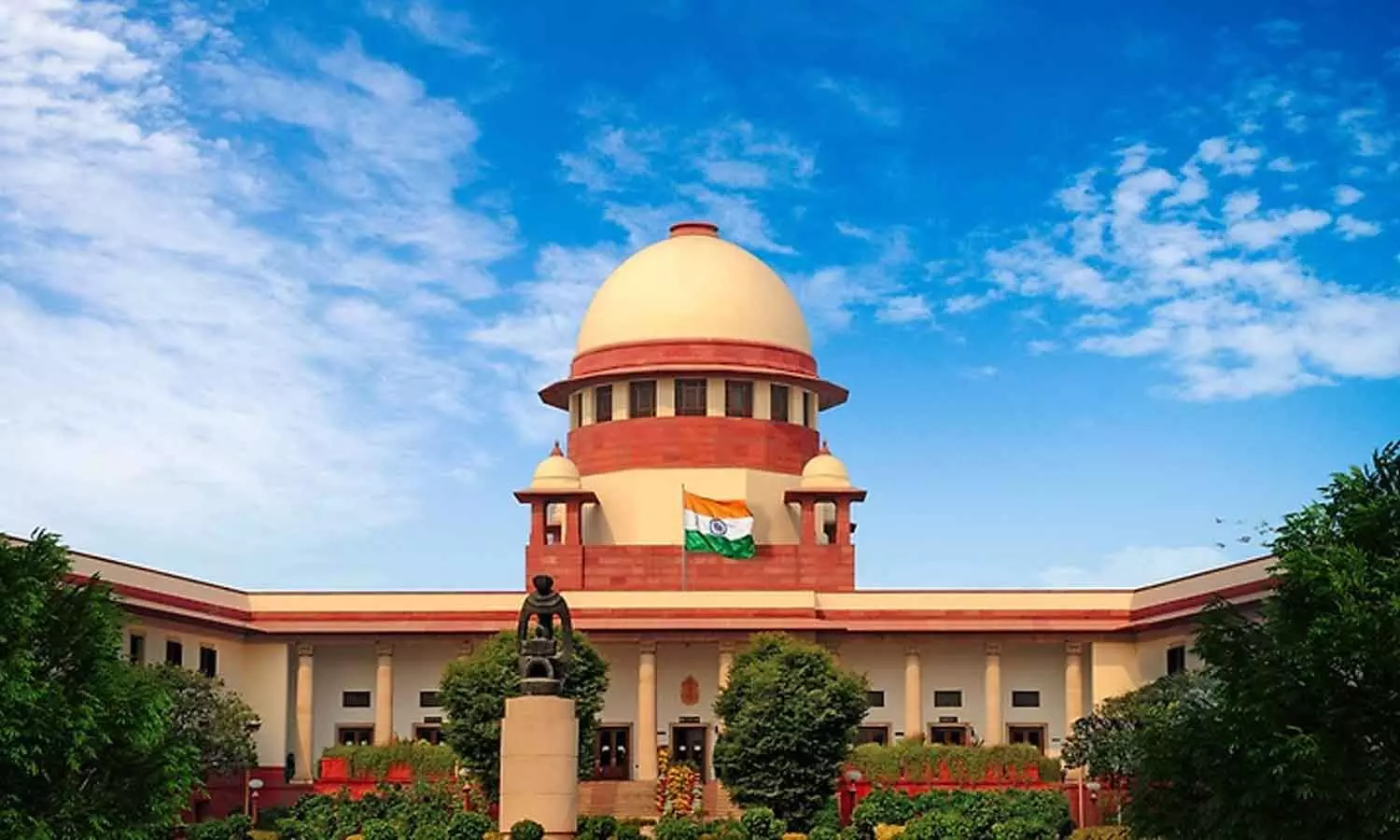
A bench headed by Chief Justice of India Surya Kant, along with Justices Joymalya Bagchi and V Mohana, said maintaining law and order was the responsibility of the Centre and Delhi government. The court said all parties were expected to follow the law and respect each other’s rights.
“We have no reason to doubt that everyone will behave in a peaceful and lawful manner,” the bench observed.
The court was hearing petitions seeking restrictions on large-scale protests and marches in sensitive areas of central Delhi, including India Gate and Central Vista. The petitioners had also sought postponement of the September 5 march until after the BRICS Summit, scheduled to take place in Delhi on September 12 and 13.
Appearing for one of the petitioners, advocate Rizwan Ahmad argued that the CJP had announced the march without obtaining police permission. He warned that any incident ahead of the international summit could attract significant global attention.
The Supreme Court, however, said such questions were primarily for the law-and-order authorities and declined to interfere at this stage.
The bench said the Centre and Delhi government must determine whether the proposed mobilisation could take place and under what conditions. It added that the petitioners could approach the court again if an alarming situation arose, provided the issue fell within its judicial jurisdiction.
The court also declined a request to summon CJP representatives, saying there was no formally identified or organised entity before it that could be asked to appear.
March linked to July 20 protest
The September 5 march was announced by the CJP on August 24 as a “peaceful march” from India Gate to the Delhi Police headquarters.
The mobilisation is being backed by families of students who died by suicide following the cancellation and subsequent re-test of the NEET examination, as well as people alleging police excesses during the July 20 agitation.
The protesters are demanding action over what they describe as the Centre’s failure to honour assurances given on July 25, following which their 36-day protest at Jantar Mantar was withdrawn.
The All India Students’ Association (AISA) has also extended support to the proposed three-kilometre march. Among its demands are withdrawal of FIRs against student protesters and an investigation into allegations of pellet and bullet firing during the earlier agitation.
Supreme Court-monitored panel examining July 20 violence
The court’s decision comes as a five-member High-Powered Enquiry Committee (HPEC), headed by retired Supreme Court judge Justice R Subhash Reddy, prepares to investigate allegations arising from the July 20 protest.
The panel was constituted by the Supreme Court on August 18 after it observed that allegations of excessive use of force prima facie warranted an independent inquiry.
Its mandate covers allegations of police excesses as well as claims of violence by protesters, injuries to police personnel and damage to public property.
The committee will examine allegations concerning the use of pellet guns, electric batons, lathis and tear gas, the proportionality of police action, prohibitory orders and surveillance of protesters. It will also examine allegations of targeted violence and harassment of women protesters, along with the medical assistance and possible interim compensation for victims.
The panel has been directed to examine CCTV and drone footage, body-camera recordings, videos, wireless communication records and PCR call logs connected with the protests.
The court also directed that affected individuals may submit documentary evidence and representations to the committee, with provisions for anonymous complaints to protect complainants and witnesses.
Court asks petitioners to approach HPEC
During Monday’s hearing, the petitioners sought a wider investigation into the July 20 events, including allegations concerning injuries to police personnel, unlawful assembly and damage to public property.
The bench directed them to submit their representations to the HPEC, describing the committee as a “neutral umpire” tasked with examining all relevant allegations and making recommendations to the court.
The Supreme Court reiterated that the committee would function under its direct supervision.
The Centre and Delhi government have maintained that they have no objection to an independent and fair inquiry, while denying allegations of police excesses.
The petition was directed to be served on the Centre and Delhi government, with the matter listed alongside a connected case for September 10. The HPEC will also be served with the petitions.