
OpenAI Unveils Jalapeño, Its First AI Chip; Could Make ChatGPT Faster and Cheaper
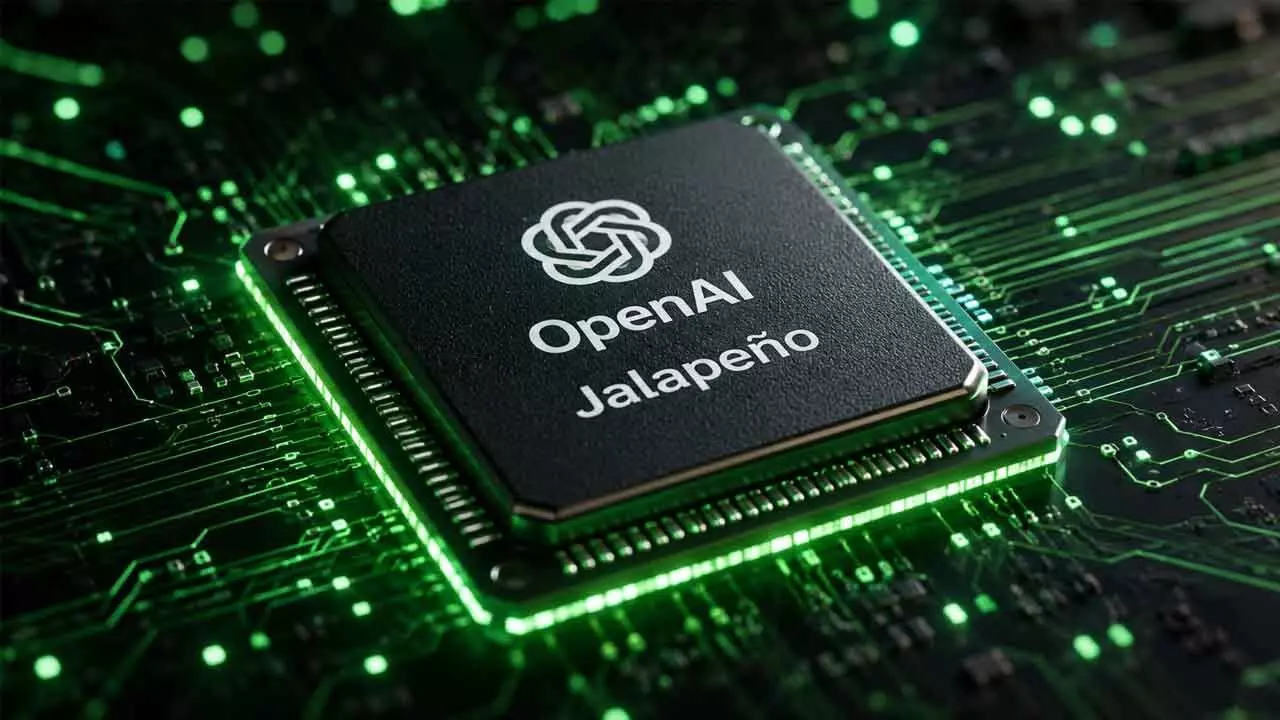
For years, Nvidia has been the undisputed leader in the AI world, supplying the powerful chips that drive everything from ChatGPT to Google’s AI systems. Now, OpenAI is taking a decisive step to challenge that dominance. The company has introduced its first custom AI chip, dubbed Jalapeño—a processor created specifically to handle one of artificial intelligence’s most important tasks: answering user queries.
Think of it this way: training an AI model is like sending a student to school for years. However, once the student graduates, they spend the rest of their lives answering questions and performing tasks. That second phase is known as inference, and it is precisely what Jalapeño was designed for.
Designed specifically for OpenAI’s needs
Unlike Nvidia’s general-purpose AI chips, Jalapeño was created specifically to meet OpenAI’s needs. The chip was designed in collaboration with Broadcom and is already running OpenAI’s GPT-5.3-Codex-Spark model in the company’s labs.
According to OpenAI, initial tests indicate that the chip offers significantly better performance-per-watt than current leading AI hardware, which could reduce the massive operating costs of services like ChatGPT.
AI helped create the chip
The project also highlights how AI is increasingly contributing to its own creation. OpenAI states that engineers completed the chip’s design in just nine months before sending it to Taiwan’s TSMC for manufacturing, using AI tools to streamline various stages of the design process. Broadcom’s CEO stated that the new chip offers performance comparable to Nvidia’s latest Blackwell processors and Google’s Tensor Processing Units (TPUs). If confirmed at scale, this could mark a significant shift in the race for AI hardware.
Following in the footsteps of tech giants
This move follows the path already taken by tech giants like Google and Amazon, which developed their own AI accelerators to reduce reliance on third-party suppliers. OpenAI has reportedly been exploring the creation of custom chips since 2023, but “Jalapeño” represents its first public result. Its main rival, Anthropic, also plans to manufacture its own custom AI chip, according to sources who spoke to Reuters in April.
The chip is just the beginning. OpenAI describes “Jalapeño” as the first step in a multi-generational hardware strategy to be rolled out over the coming years. The company expects to begin deploying the chip later this year, while Canadian manufacturer Celestica will build the server systems that house it.
Why does this matter to everyday users?
OpenAI claims that any improvements in speed, cost, and reliability can translate directly into faster ChatGPT responses, more capable coding assistants, more affordable AI services, and fewer service interruptions during periods of high demand.
In other words, the future of AI may depend not only on smarter models but also on who manufactures the best chips powering them.