
Nizamuddin, Uggar Sain’s Baoli expose Delhi’s heritage drama
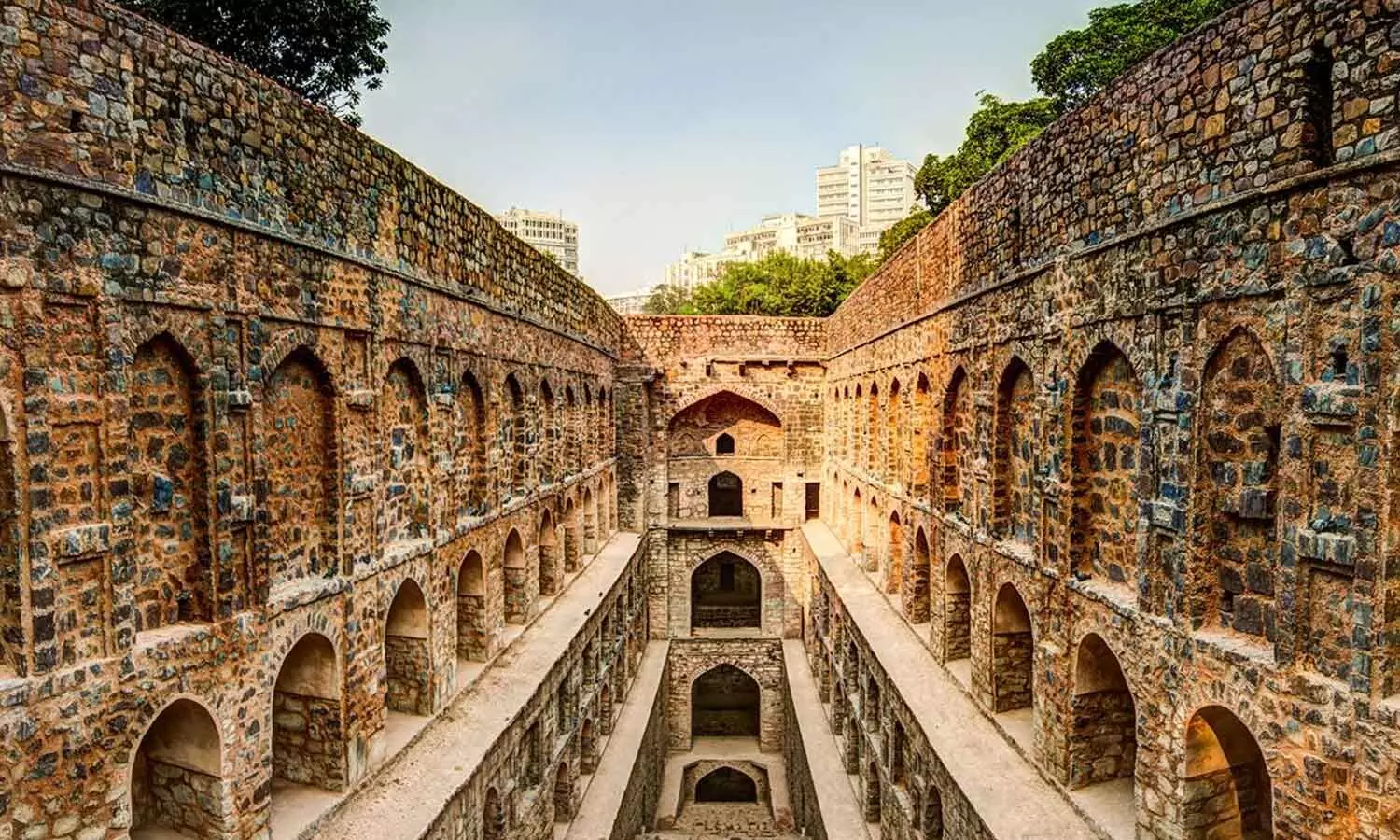
New Delhi: From a historic drain under pressure from a flyover at Nizamuddin to foundation digging threatening an underground water structure at Uggar Sain’s Baoli, Delhi’s proected monuments face sharply different risks, despite being governed by the same fixed heritage buffer rules, an IIT : Roorkee study has found.
Published in March this year, the study examined nine centrally protected monuments in Delhi and found that the nature and severity of threats vary depending on the specific context of each monument. This suggests that heritage protection should take into account the unique features and vulnerabilities of individual sites.
Under the Ancient Monuments and Archaeological Sites and Remains (AMASR) Amendment and Validation Act, centrally protected monuments have a 100-metre prohibited area followed by a 200-metre regulated area.
The study examined whether such fixed boundaries adequately reflect the different urban contexts surrounding monuments.
At the Nizamuddin Basti group of monuments, the Barapullah Drain, described as an old tributary, was identified as a key natural feature. The study found that large-scale infrastructure, including a flyover, was putting pressure on the drain and affecting the area’s natural drainage, with the impact assessed as long-term and irreversible.
The study also flagged encroachment and insensitive development around the Nizamuddin monuments as a high-priority threat, saying changes in the surrounding land-use pattern could have long-term and irreversible impacts on the heritage setting. In the case of Uggar Sain’s Baoli, the primary threat arises from below-ground construction. The research identified the baoli’s water-retaining structure as its most crucial natural feature and found that underground digging for building foundations poses a constant and irreversible threat to it. Furthermore, high-rise development around the baoli could affect the monument’s visibility.