
Menopause and brain fog: What’s normal and when to seek help
“I walked into the room and forgot why I was there.” “I know the word, but I just can’t seem to remember it.” These are concerns some women report during the menopausal transition. While occasional forgetfulness can be frustrating, it does not necessarily indicate a serious neurological condition. The experience is often described as “brain fog” — a term used for difficulties with concentration, attention or recalling information. Hormonal changes during menopause may contribute to these experiences, but other factors can also play a role.
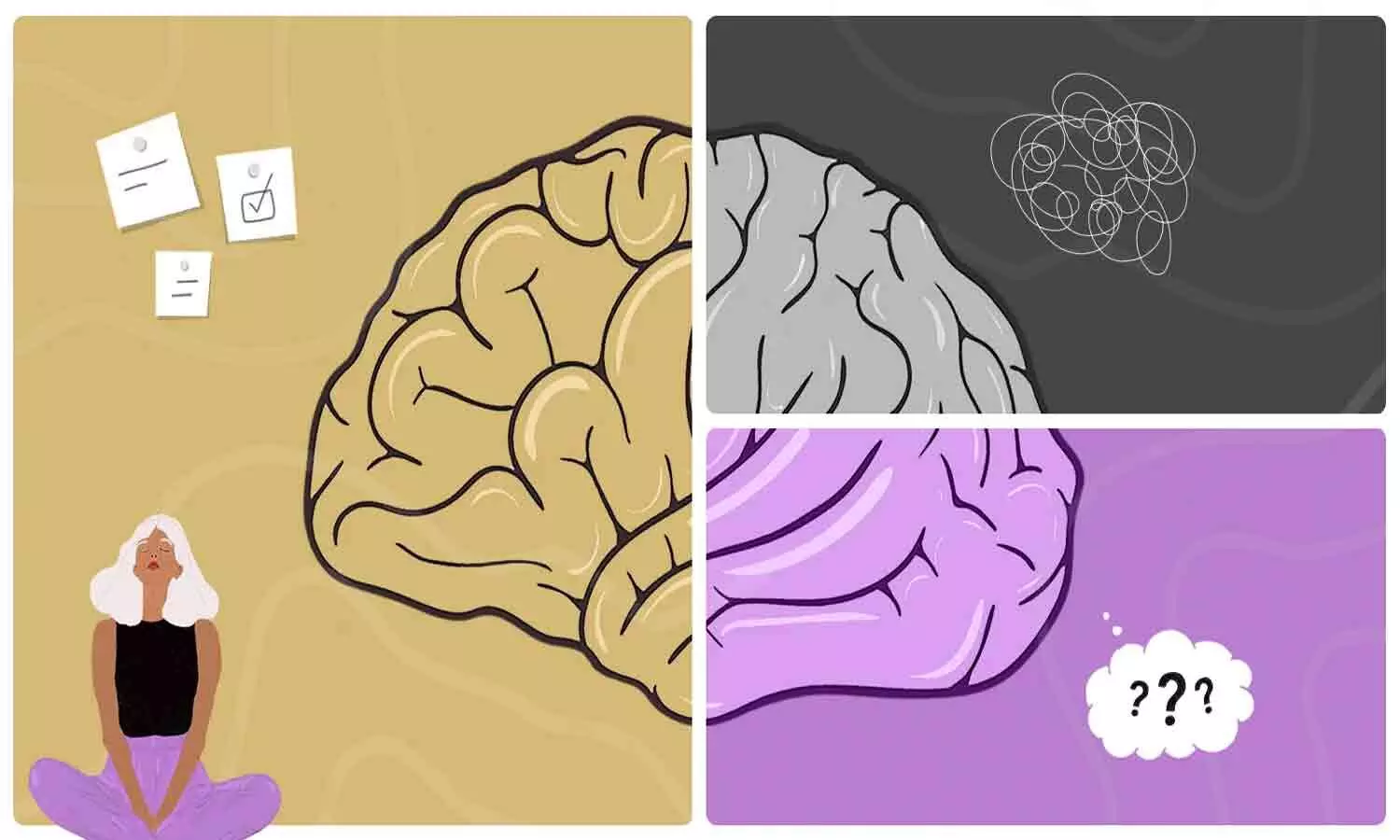
Dr Neha Pandita, Senior Consultant Neurologist and Unit Head, Clinical Lead – Parkinson’s Disease & Movement Disorders, Fortis Hospital, Noida, explains the link between menopause and brain fog, what women may experience and when medical advice may be appropriate.
Sometimes, it is attention rather than memory
Menopause can be accompanied by hot flashes, night sweats, disrupted sleep and changes in mood. Poor sleep, in particular, can make it harder to concentrate during the day. Stress can add to the problem. Managing work, family responsibilities and other daily demands can make it difficult to focus fully on the information being received. If information is not properly registered because of distraction or fatigue, recalling it later can also become more difficult. This can make a person feel that their memory has suddenly become unreliable when sleep, stress or other factors may be contributing to the experience.
What can be considered normal?
Occasionally forgetting where the keys were placed, losing a train of thought or taking longer to recall a name can happen at any age, particularly when someone is tired or distracted. However, a noticeable and continuing change in cognitive abilities deserves attention. Difficulty repeatedly carrying out familiar tasks, confusion in familiar surroundings, problems managing everyday responsibilities or memory changes that increasingly affect work and relationships should not automatically be attributed to menopause. The pattern, frequency and impact of symptoms are important considerations.
Look beyond menopause
Menopause should not automatically be treated as the explanation for every memory or concentration problem during midlife. Conditions such as thyroid disorders, anaemia, vitamin deficiencies, certain medications, anxiety, depression and sleep disorders can also affect cognitive functioning. Persistent or worsening symptoms should therefore be discussed with a healthcare professional. An appropriate assessment can help identify possible contributing factors and determine whether further evaluation is needed.
Supporting brain health
Simple everyday habits can support concentration and overall wellbeing. Adequate sleep, regular physical activity, a balanced diet, sufficient hydration and stress management can all be useful. Reducing multitasking may also help. Making lists, using reminders and breaking larger tasks into smaller steps can reduce the amount of information that needs to be held in mind at one time. It can also be useful to observe when symptoms become more noticeable. For example, noting whether concentration difficulties occur after poor sleep or during periods of increased stress can provide useful information when discussing them with a doctor. Most importantly, women should feel comfortable discussing cognitive changes during menopause. Experiencing occasional brain fog can be unsettling, but it does not automatically mean that a person is developing dementia or another serious neurological condition.
Menopause is a significant life transition, and changes in sleep, mood, attention and memory can occur during this period. The response should be neither to dismiss these experiences nor to become unnecessarily alarmed. Paying attention to changes, addressing possible contributing factors and seeking professional advice when symptoms persist, worsen or interfere with daily life can help women navigate this phase with greater confidence.