
How Duleep Trophy’s zonal formula restored domestic cricket’s vital spark— and Indian team hopes
Published: September 14, 2026 06:16 AM IST
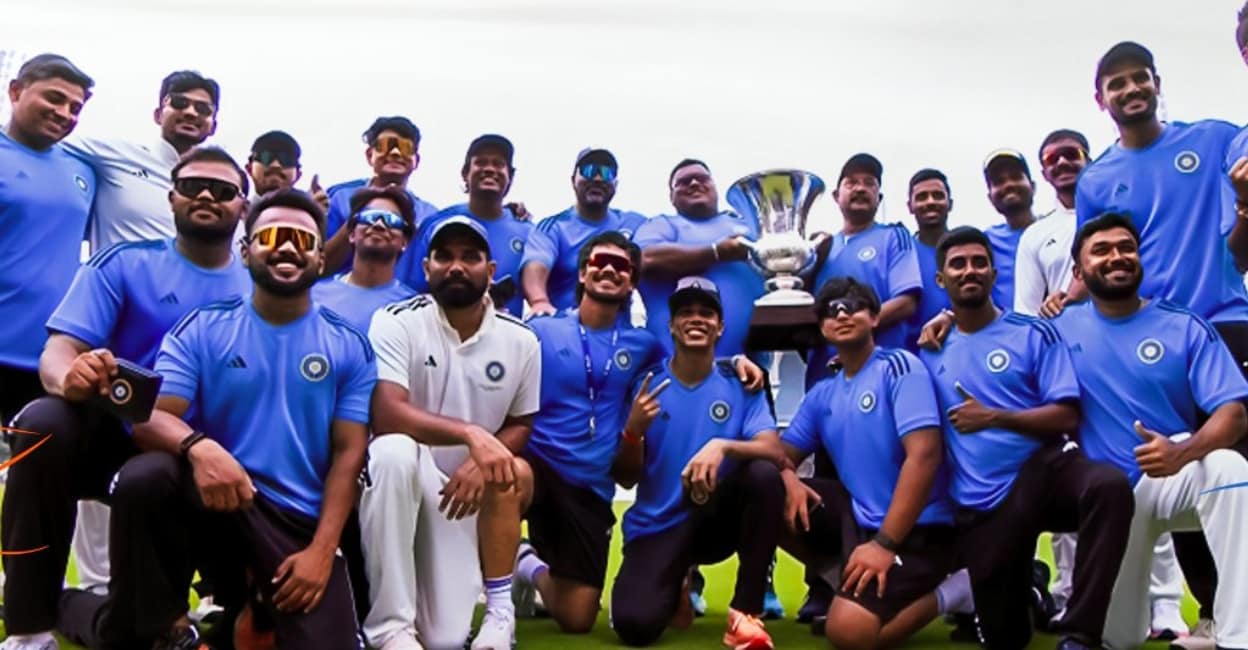
Officials of the Board of Control for Cricket in India (BCCI) deserve a pat on the back for the manner in which the Duleep Trophy championship was organised this year. The matches, which were played over a period of 3 weeks starting on August 23, produced cricket of high quality, with all the games except the finals producing results. Though the finals turned out to be an anticlimax of sorts, with the result being decided based on the lead in the first innings, it did not take away the sheen from the achievement of East Zone, who won three matches on the trot to lift the title.
The presence of prominent cricketers in the country, including those who are part of the national squad, was a major factor that helped to get crowds back into the stadia for watching this championship after a long gap. It was a bold decision by BCCI to shift the finals to Chennai to accommodate the spectators who wanted to watch the action on the ground. Though this left the authorities in Chennai with very little time to prepare a sporting pitch for the match, it was heartening to see crowds flock to the ground to watch a first class match in large numbers. The victory lap done by the winning East zone side was also a sweet gesture, as it acknowledged the spectators, besides appreciating their presence, braving intense heat and humidity.
Amongst the three premier national senior first class cricket championships conducted by BCCI, Duleep Trophy has seen the maximum number of changes in its structure and composition. Despite the changes in the structure, Ranji Trophy has always been played between the various states in the country, while Irani Trophy remains a one off game between the Ranji Trophy winners and the Rest of India. Duleep Trophy, on the other hand, has seen changes not only in the format, but also in the composition of the sides that play in this tournament.
From the time it started in the 1961-62 season till 2002, matches in Duleep Trophy were played between the five zones in the country. Selections for the zonal sides were made by a committee comprising one member each from each of the states that formed part of the zone and headed by the national selector from the zone. The championship continued, more or less, in this format till the turn of the century, except for the occasional change from knockout pattern to round robin style and back.
However, by the time the new century dawned, the Ranji Trophy format had also changed from league matches at the zonal level to a system of pooling teams based on strength and past performance. Hence, someone had the bright idea that instead of having zonal teams, matches in the Duleep Trophy should comprise sides representing the various groups/ pools in the Ranji Trophy. This experiment proved to be too unpopular and was given up after just one season (2002-03). From the next year, the tournament reverted to the old pattern of matches taking place between the five zones on a knockout basis, but with the addition of a guest side from abroad. This continued till 2009-10, when the participation of the foreign side was stopped and only zonal teams were allowed to participate.
There was yet another change in the composition of the sides in 2016-17 when BCCI decided to do away with the zonal sides and have the games played between three teams named Blue, Green and Red, selected by the national selectors. This practice continued till the period of COVID-19 pandemic, when the championship was not held. When it resumed in 2022-23, it was back to the old zonal pattern, with the addition of a new sixth zone, representing the northeastern states. However, for the 2024-25 season, a new system was introduced with four teams- India “A”, “B”, “C” and “D”, all selected by the national selection committee, playing each other on a round robin basis. But this did not survive for more than a year and it was back to the zonal system from last year onwards. Thus, this edition marks the second year after the restoration of the zonal pattern for conduct of matches in this championship.
The numerous changes, as detailed above, have taken place mainly on account of the confusion and lack of clarity regarding the place of this championship in the cricket calendar since the turn of the present century. Ranji Trophy was played between the states/ associations and hence there always exists plenty of pride associated with playing in this tournament and doing well here. Success in Ranji Trophy was often a cause for celebrations throughout the entire state. Irani Trophy, on the other hand, is a bit of a relic, with the one-off game being relevant for only the players who take part in it. Duleep Trophy falls between these two in that while there is no specific identity for the team taking part therein, the matches held as part of it offer a stage for the top 60-odd players in the country to take part and showcase their skills.
Hence, right from the time the championship started in the 1960’s till the close of the last century, Duleep Trophy was seen as a “de facto” selection tournament for the national side. The tournament was conducted on most occasions prior to an important Test series or tour by the national side, and players used this as a platform to showcase their form to convince the selectors and win a place in the squad. Selectors also used to be present in full strength to watch the games in progress, thus indicating the importance they gave to the performances in these matches. There are numerous instances of even the top players putting their best foot forward in these matches to push their case with the selectors.
In the 1967 edition of the championship, Mansur Ali Khan Pataudi silenced the critics who were calling for his head with an immaculate knock of 200 and sealed his captaincy for the twin tour to Australia and New Zealand. It was Pataudi’s failure with the bat during the Duleep Trophy matches played prior to the tour to West Indies in 1971 that gave wind to the sails of those conspiring to depose him from the captaincy and resulted in Ajit Wadekar being named as the skipper of the national side. Chetan Chauhan scored heavily in this tournament in 1977 and won a recall to the squad for the tour to Australia while Madan Lal’s rich haul of wickets in 1981 paved the way for his comeback to the team. Azharuddin showed his prowess for the first time at the national level through a stylish double century (226) struck in the Duleep Trophy game against Central Zone in 1984.
The championship retained its significance till the mid 1990’s when it was mandatory for top players to take part in it. It was his decision to skip this tournament in 1989 that cost Krishnamachari Srikkanth his captaincy after the tour to Pakistan in 1989, where the team had performed fairly well. One remembers Sunil Gavaskar turning out for the West Zone in all matches in 1986, his last season in domestic cricket. Sachin Tendulkar too used to score heavily in this tournament in his early years in the game.
These memories came flooding to one’s mind when Ishan Kishan batted for close to two days and scored a doughty double hundred (270) in the final at Chepauk last week. This was a loud statement from a player who declined to take part in domestic red ball cricket a couple of years ago, forcing BCCI to wield the stick. He has made ample amends for this mistake by going through the tough grind of domestic cricket and looks ready for elevation to the world of Test cricket. Similarly, it was great to see young Vaibhav Sooryavanshi in action in the longer-format version of the game. He too showed the required inclination and intensity to face the challenges involved in playing the game at this level. Besides, his presence was one of the factors that helped to generate spectator interest at the venues where the championship was played. Mohammed Shami also showed his keenness to stage a comeback to the national side for red ball cricket by bowling sharp wicket-taking spells throughout the tournament.
It is a fact that the Ranji Trophy is no longer played on a zonal basis; further, BCCI has implemented the recommendation of the Justice Lodha Committee to do away with the mandatory zonal representation in the national selection committee. However, in a large country like India, zonal ties are still strong and many of the players in a zone tend to spend their formative years and also play club cricket in one of the large cities in that part of the country. Thus, the players within a zone tend to know each other better and have better rapport with each other while playing as a team than a hurriedly cobbled up side created based on the whims of the selectors. This probably explains the reason why matches between zonal sides see better cricket being played and generate more excitement than games between teams having names like India “A”, Red etc.
The success of this edition should convince BCCI that rather than experimenting with various compositions and formats, it is better to continue with the system of zonal teams in Duleep Trophy. One hopes that this championship continues to perform its role of being the launchpad for budding cricketers in the coming years as well.