
Heart attacks ring alarm bells among youth
Hyderabad: Heart diseases are increasingly affecting young adults, with heart attacks and sudden cardiac arrests being reported among people in their 20s, 30s and 40s. Changing lifestyles, work-related stress, unhealthy dietary habits and lack of physical activity are contributing to the growing cardiovascular risk among younger populations, says Dr B.V.A. Ranga Reddy, Senior Consultant Cardiologist, Apollo Hospitals, Jubilee Hills.
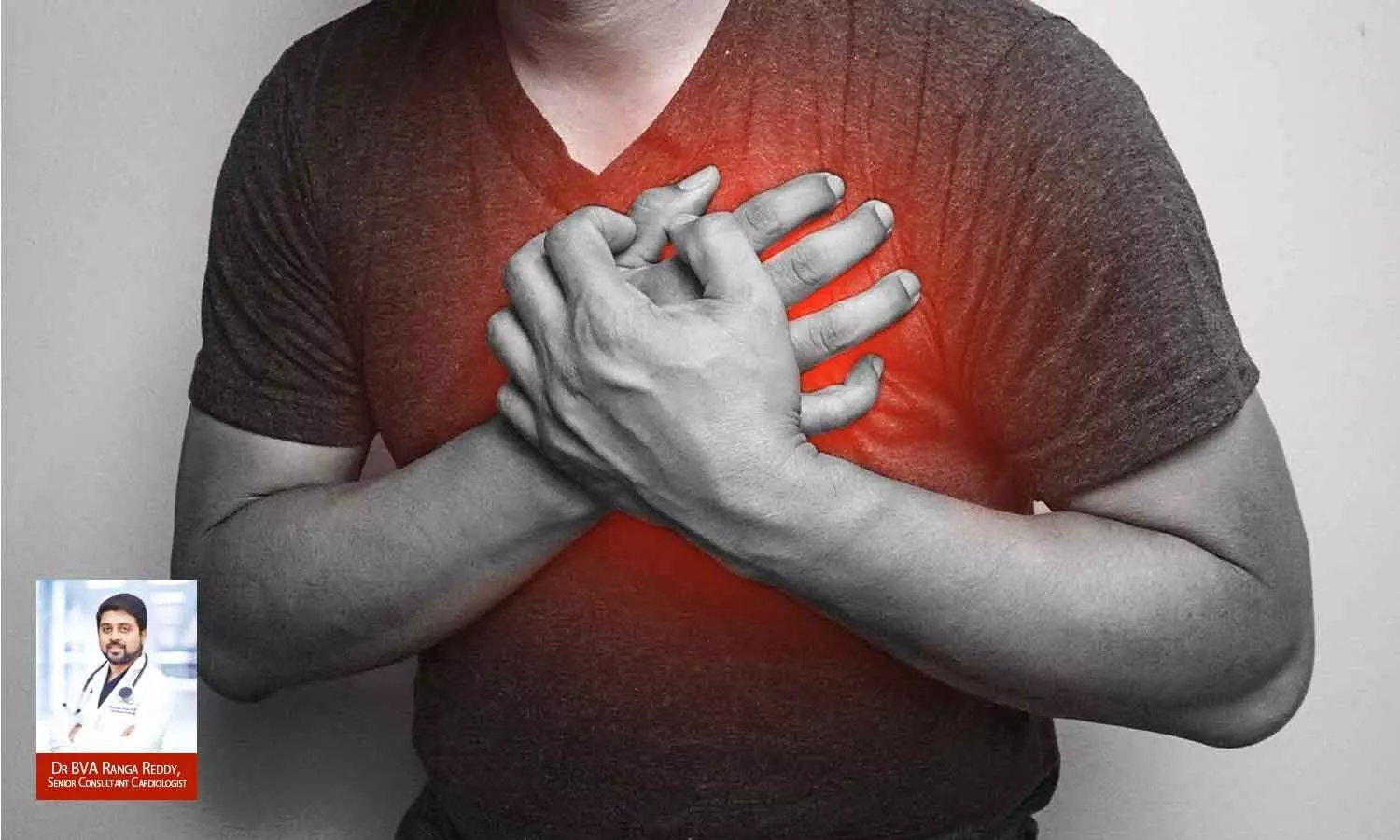
One of the major concerns is sudden cardiac arrest (SCA), a life-threatening condition in which the heart suddenly stops pumping blood effectively due to an electrical malfunction. Dr Ranga Reddy explains that cardiac arrest should not be confused with a heart attack. While a heart attack occurs due to a blockage in blood flow to the heart muscle, cardiac arrest results from an electrical disturbance that causes the heart to stop functioning effectively. A heart attack can also trigger cardiac arrest.
Dr BVA Ranga Reddy, Senior Consultant Cardiologist, Apollo Hospitals, Jubilee Hills stated that Smoking, excessive alcohol consumption, obesity, diabetes, high blood pressure and elevated cholesterol levels are among the major risk factors for cardiovascular disease in young adults. Sedentary lifestyles, prolonged working hours, inadequate sleep, chronic stress and diets rich in processed foods further increase the risk. In some individuals, inherited heart conditions, abnormalities of the heart muscle and electrical disorders can also lead to sudden cardiac events at a young age.
A major challenge is that many young people may have underlying heart conditions without experiencing noticeable symptoms. Chest discomfort, unexplained breathlessness, palpitations, unusual fatigue, dizziness and fainting spells should not be ignored. Fainting during physical activity, unexplained seizures and a family history of sudden cardiac death at a young age warrant immediate medical evaluation.
Emphasising the importance of early detection, Dr Ranga Reddy says regular health assessments, including blood pressure monitoring and blood sugar and cholesterol tests, can help identify cardiovascular risk factors. Depending on symptoms and medical history, investigations such as electrocardiograms (ECG), echocardiograms, Holter monitoring, exercise stress tests and cardiac MRI may be recommended.
Dr BVA Ranga Reddy, Senior Consultant Cardiologist, advises young adults to adopt heart-healthy habits, including a balanced diet rich in fruits, vegetables and whole grains, regular physical activity, maintaining a healthy weight, avoiding tobacco and limiting alcohol consumption. Adequate sleep and effective stress management are equally important.
Dr BVA Ranga Reddy, Senior Consultant Cardiologist, also stresses the need to improve public awareness of cardiopulmonary resuscitation (CPR) and automated external defibrillators (AEDs). Immediate CPR and early defibrillation during sudden cardiac arrest can significantly improve the chances of survival.
Heart disease is no longer merely an age-related concern. Recognising warning signs, identifying risk factors and seeking timely medical attention are essential to preventing avoidable cardiac emergencies and saving young lives, he adds.