
From City Group’s exit to Jamshedpur FC: What’s happening with Indian football?
Indian football finds itself in a difficult position, with financial uncertainty emerging as the biggest concern for the country’s top-tier club game.
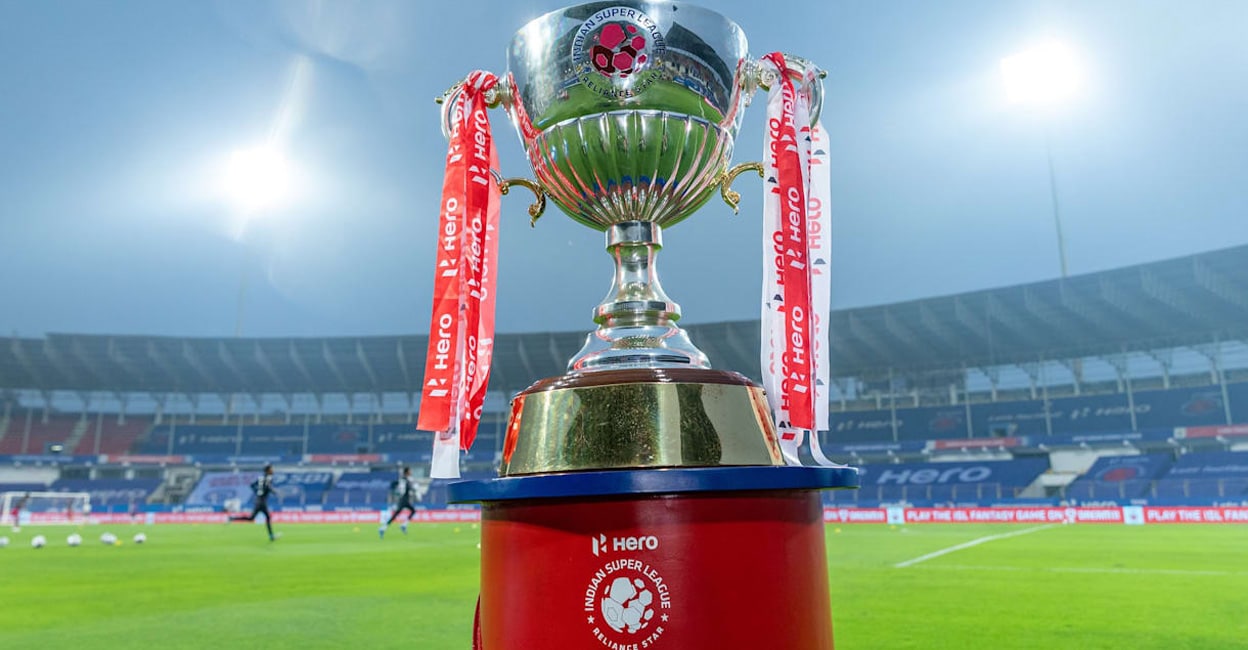
The latest setback came with Jamshedpur FC’s decision to withdraw from the Indian Super League (ISL) from the 2026-27 season. Owned by Tata Steel, the club’s exit has sent shockwaves through Indian football, with players, former India captain Sunil Chhetri and AIFF president Kalyan Chaubey among those urging the Tata Group to reconsider its decision.
Jamshedpur’s withdrawal is not an isolated incident. It is the latest development in a series of events that have raised questions over the financial sustainability and administration of Indian club football.
How did the crisis begin?
The troubles surrounding the ISL became apparent even before the start of the previous season, when the agreement between the All India Football Federation (AIFF) and Football Sports Development Limited (FSDL) to operate the league expired.
The AIFF struggled to find a new commercial partner for the competition, leaving the league without a title sponsor and creating uncertainty over its schedule and finances.
The 2025-26 season, which was originally expected to start in September, was eventually compressed into less than four months. The league was played from February 14 to May 21 in a single-leg format, a major departure from its traditional structure.
For the participating clubs, the shortened season and lack of a major sponsor created an additional financial burden at a time when many were already struggling to remain sustainable.
City Group’s exit was an early warning
One of the biggest signs of trouble came even before the season began. City Football Group, the owners of Manchester City, divested its stake in Mumbai City FC. The move was a significant blow to Indian football, given the group’s global standing and its investment in the Indian club.
The exit also raised questions about the commercial attractiveness of the ISL and the willingness of major international investors to commit to Indian club football in the long term.
Mumbai City were not the only club to face uncertainty. Kerala Blasters, one of the ISL’s most popular clubs and among the competition’s biggest fan-following brands, have also been put up for sale amid financial difficulties following the season.
And now, Jamshedpur FC has followed with a decision to withdraw from the league.
Why did Jamshedpur FC leave?
Jamshedpur’s case is particularly significant because of the club’s backing by Tata Steel, one of the country’s biggest corporate groups. The club had established itself as one of the more stable teams in the ISL and had invested heavily in its youth development structure.
But stability on the sporting front could not offset the financial uncertainty surrounding the league. As part of the new structure agreed upon by the clubs and the AIFF, the ISL is moving towards a club-led, decentralised model. The participating clubs will have greater control over commercial operations, sponsorships and broadcasting rights, while the AIFF will focus primarily on sporting administration, disciplinary matters and refereeing.
Under the new framework, clubs are required to pay a fixed annual fee to the AIFF.
Jamshedpur FC, however, chose not to make the required payment. Tata Steel was unwilling to take on the additional financial risk and opted to withdraw the club from the competition instead.
That decision has triggered a strong reaction within the football fraternity.
‘A punch to the gut’
Jamshedpur players publicly appealed to the Tata Group to reconsider the decision, underlining the uncertainty created by the club’s withdrawal. Former India captain Sunil Chhetri also urged the group to reverse its decision, describing the absence of Tata from India’s top tier as a major blow to the sport.
“Not having the Tata Group involved in the top tier of Indian football would be a disaster with no alternative,” Chhetri said, highlighting the importance of the group to Indian football.
AIFF president Kalyan Chaubey has also appealed to Tata to reconsider its decision.
But with the new ISL season scheduled to begin on September 4, time is running out.
Where does Indian football go from here?
The proposed restructuring of the ISL was meant to provide a more sustainable future for Indian club football.
Under the new model, clubs are expected to take greater responsibility for generating their own commercial revenues, sponsorships and broadcasting income rather than relying heavily on a central distribution system.
The idea is to give clubs greater control over their finances while allowing the AIFF to concentrate on its core responsibility of running the sporting side of the competition.
But the exit of Jamshedpur FC, along with the financial troubles facing clubs such as Kerala Blasters, suggests that the transition will not be easy.