
Editorial: Blue tsunami sweeps America
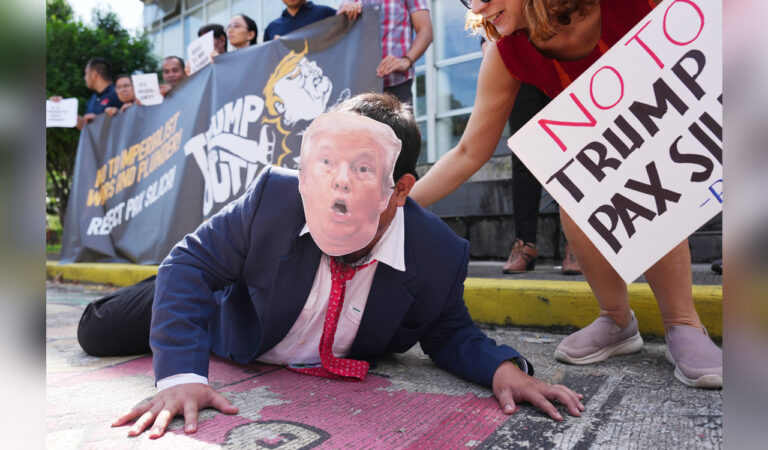
A blue tsunami has hit the United States. American voters delivered a stinging rebuke to President Donald Trump in the midterm elections, widely seen as a referendum on his policies. As the took control of both chambers of Congress—the House of Representatives and the Senate—in the biggest triumph for the party in recent history, the message was loud and clear: The American people have said a to Trump’s agenda. The Democratic Party won control of the Senate after flipping seats that Republicans had held for decades in a decisive blue wave, winning races in unlikely States like Iowa, Kansas, Maine, North Carolina, Ohio, South Carolina, and Texas. The mandate reflected a nationwide judgment on Trump’s turbulent second term and growing public discontent over the rising cost of living, tariffs. and the US war against Iran. Millions of Americans are desperate for relief from soaring food, fuel, housing and healthcare costs, as well as growing anxiety about the possible impact of AI on their job security. The electoral backlash extended even to deep-red states, indicating a massive erosion of Trump’s traditional support base. This political setback halfway through his second term is bound to bring a sense of relief around the world, among America’s friends and foes alike, as none was spared from his impulsive . A weakened Trump presidency would mean that many countries in Europe and Asia may view the development as a stabilising factor.
For India too, the effects on trade and H-1B visas are among the most tangible consequences of a weakened Republican administration and a stronger Democratic Congress. While tariffs targeting may not vanish immediately, Trump’s unilateral approach to trade will face stronger pushback from a Democratic-controlled Congress. Since Democrats are generally considered more supportive of high-skilled immigration than Republican hardliners, India can expect a friendlier environment for , easier pathways for Indian professionals, and greater support for international students and researchers. This offers greater stability for Indian IT services firms and , paving the way for more predictable . It must be pointed out that both Republicans and Democrats view India as a key strategic partner in balancing China’s influence in the Indo-Pacific. As a result, a change in the composition of the US Congress will not hugely alter the key aspects of . However, a Democratic-controlled Congress could exercise greater oversight on specific issues such as export controls, AI regulation, immigration, and human rights. There are also expectations that trade uncertainties may ease and that could become more predictable. Bilateral defence ties enjoy strong bipartisan backing. Strategic convergence aimed at maintaining a free and open Indo-Pacific remains unchanged. A Democratic-controlled Congress could use its investigative, budgetary, hearings, and oversight powers to raise the political cost for Trump of making controversial decisions.