
Blue turmeric, the spice that doesn’t stain: What is it used for?
Published: November 21, 2026 03:30 PM IST
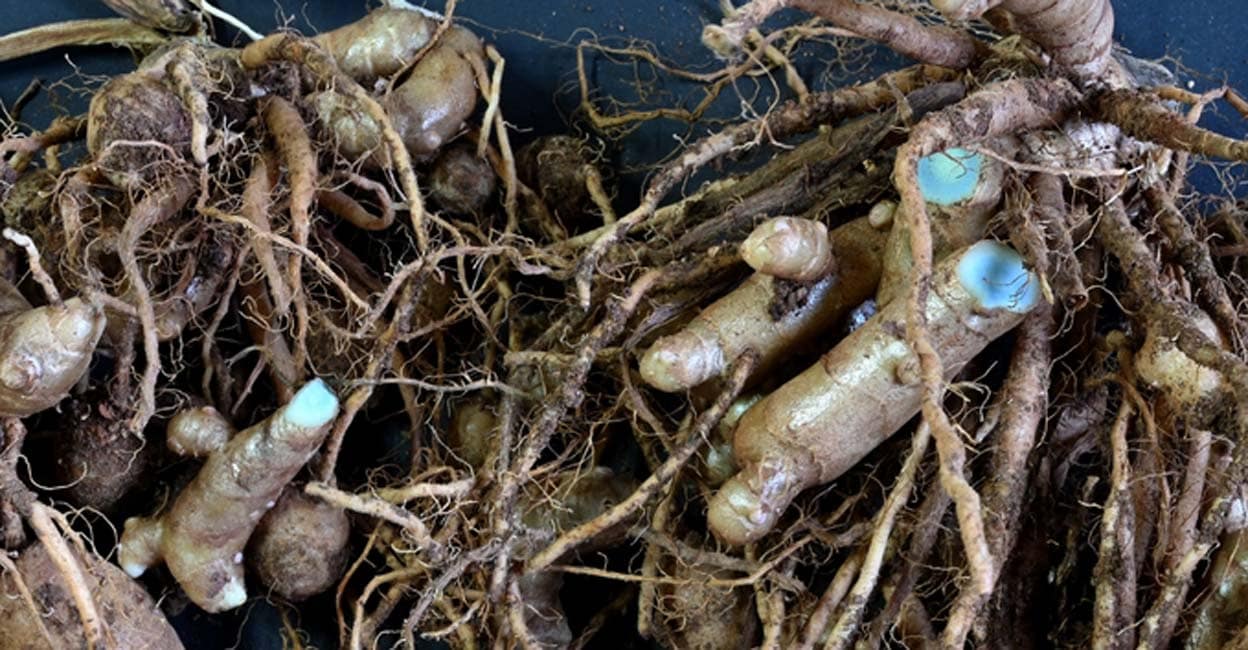
Blue turmeric, scientifically known as Curcuma caesia, features a bluish-black flesh, a camphoraceous aroma, and a bitter taste without staining food yellow.
Cultivated mainly in India, it is valued for its rarity and medicinal properties rather than culinary use, with market prices exceeding 1,000 rupees per kg.
Rich in essential oils and phenolic compounds, it offers antimicrobial and antioxidant benefits, though experts advise caution and professional guidance for pregnant women.
While most of us easily recognise the rich golden hue and earthy aroma of standard turmeric in our daily curries, teas, and smoothies, a far rarer sibling lies hidden in high-altitude forests and traditional herbal apothecaries. Botanically named Curcuma caesia and commonly known as blue turmeric or black turmeric, this unusual plant is far more than a mere colour variation of common kitchen turmeric.
When sliced open, the rhizome reveals a striking bluish-black flesh inside. It carries a distinctly bitter taste and an intense camphoraceous aroma reminiscent of pine. Unlike traditional golden turmeric, blue turmeric does not stain food or fingers yellow, yet it delivers a unique range of wellness properties.
Primarily cultivated across Northeast India, Madhya Pradesh, and regions such as Wayanad in Kerala, blue turmeric is prized for its extreme rarity and high medicinal value. Owing to its limited availability and strong demand in traditional herbal formulations, market prices routinely exceed ₹1,000 per kg.
Medicinal uses over culinary application
Unlike standard turmeric, blue turmeric is rarely used as an everyday culinary spice. Instead, it has held a revered place in Ayurveda and traditional medicine for centuries. It is traditionally relied upon to alleviate joint pain, support healthy digestion, and ease respiratory discomforts such as coughs and breathlessness.
Chemical composition and key health benefits
While regular turmeric owes much of its anti-inflammatory and antioxidant renown to the compound curcumin, blue turmeric possesses a unique blend of essential oils, phenolic compounds, and aromatic molecules. Research suggests these constituents confer strong antimicrobial and cell-protective antioxidant effects, helping to neutralise harmful free radicals.
In traditional practice, topical pastes made from blue turmeric are applied to soothe minor skin irritations, itching, and small wounds, while oral preparations are used to alleviate gas, bloating, and abdominal distress.
Advisory note and precautions
Although preliminary laboratory studies highlight the promising antimicrobial and anti-inflammatory potential of blue turmeric, health experts advise caution. It should be consumed only in small, controlled quantities. Pregnant women and individuals with underlying health conditions must consult a medical professional before using blue turmeric preparations.