
Gujarat’s Chandipura virus deaths revive memories of Telangana’s 2003 outbreak
Hyderabad: The Chandipura Virus (CHPV) has become active again this year claiming 22 lives, all children from 9 months to 14 years in Gujarat, bringing back the memories of the massive outbreak in Warangal, Karimnagar and Khammam districts in 2003, which claimed nearly 200 children’s lives.
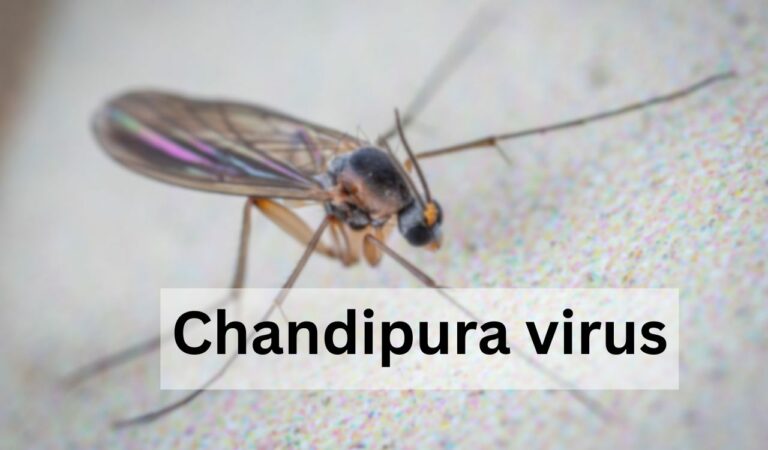
The Chandipura Virus is extremely dangerous, with a case fatality rate ranging between 55 percent and 77 percent. The primary challenge with Chandipura Virus is its ability to progress rapidly after infection. Within 24 to 48 hours of infection, it can cross into the child’s brain, triggering seizures, altered behavior, excessive drowsiness, and rapid slips into a coma.
Another major reason why Chandipura Virus is a nightmare for public health specialists and the general public is that there is no specific antiviral medication or licensed vaccine available for it.
Once a child gets infected with CHPV, all one could do is just manage the symptoms like controlling fever, seizures, maintaining electrolyte balance, and providing respiratory support. Early hospitalization is the single most critical factor that gives a child the best possible chance of survival.
What is the Chandipura Virus?
The Chandipura virus is a rare, highly pathogenic arbovirus belonging to the Rhabdoviridae family, the same broad viral family that includes rabies. First isolated in 1965 in Chandipura village, Maharashtra, it causes Acute Encephalitis Syndrome (AES), a sudden and dangerous swelling of the brain.
The virus is primarily transmitted through the bites of infected sandflies (chiefly Phlebotomus species). It is not contagious between humans like Covid. The sandfly populations thrive in damp, humid conditions and near animal shelters, outbreaks almost exclusively surface during the monsoon months i.e. May to September.
Prevention:
- Avoid sandfly bites
- Utilize mosquito nets that are treated with insecticides
- Children must wear full sleeves at night
- Apply child-safe insect repellants
- Surroundings must be clean, seal wall cracks and reduce breeding places
- Vectors control measures in affected regions
- How does Chandipura Virus transmission happen?
- The virus remains in rodents and other small mammals, which act as reservoirs
- A female sandfly bites the rodent (infected reservoir animal) and now carries the Chandipura Virus
- Infected sandfly bites humans, usually children playing outdoors or sleeping
- Such transmission usually happens in rural/semi rural homes near damp soil, animal sheds and organic waste
- When the sandfly pierces the skin to feed on blood, it injects its saliva
- The saliva of sandfly contains Chandipura Virus, which directly goes into blood of humans