
JPMorgan Chase Software Bug Disrupts Banking Services Across US
Thousands of customers across the US experienced problems accessing their bank accounts and completing transactions on Monday after a software glitch disrupted services at JPMorgan Chase. The issue, which originated within the country’s largest bank, also affected transactions involving customers of several other financial institutions.
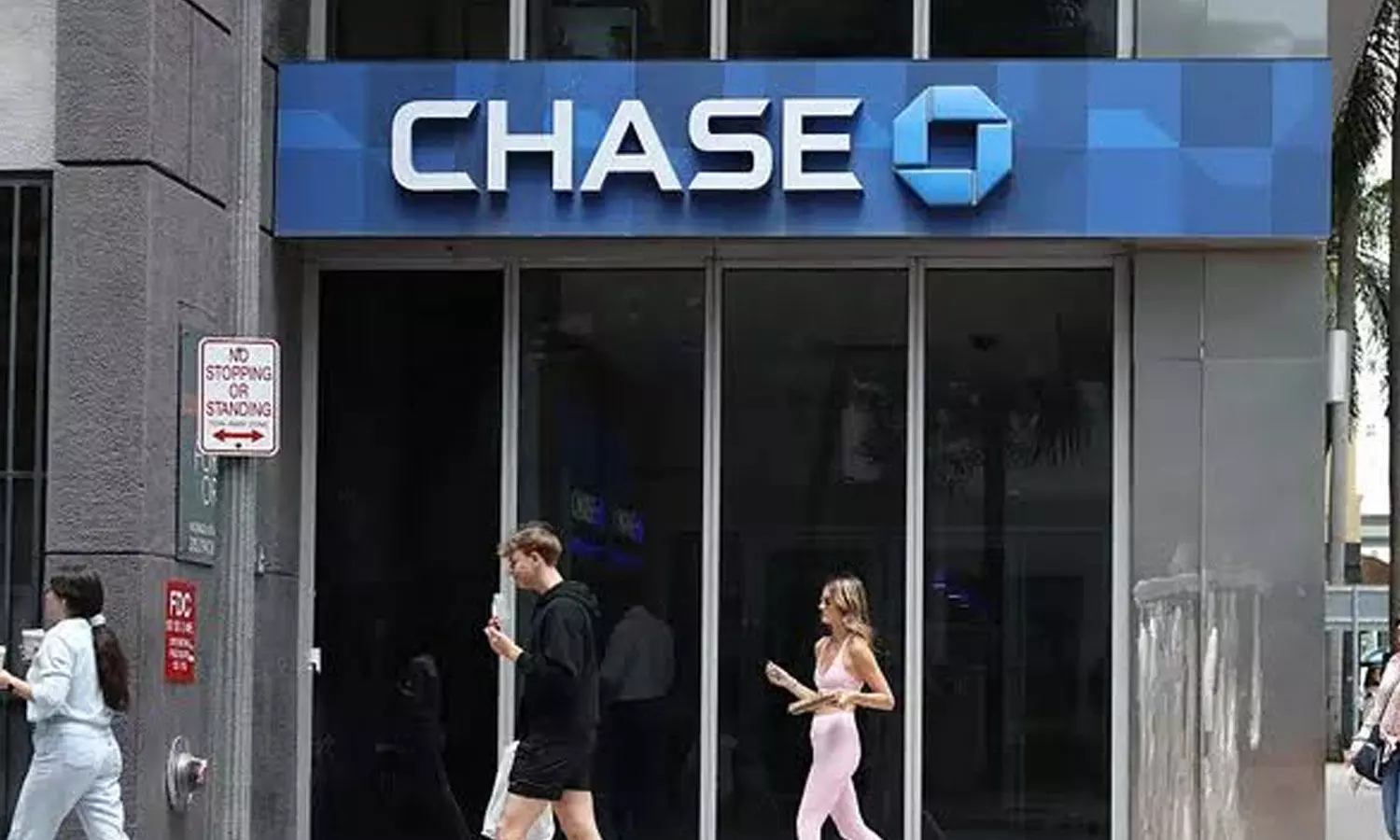
The disruption came just days after nearly 10,000 flights across the US were cancelled following a Federal Aviation Administration (FAA) system failure. It also added to a series of recent technology outages affecting major services.
JPMorgan Chase confirmed that a software bug in its internal systems was responsible for the banking disruption. Customers of Wells Fargo, Bank of America, US Bank and Truist also reported difficulties during the incident.
Chase, the consumer banking brand of JPMorgan Chase, serves more than 86 million customers and 7.4 million small businesses through approximately 5,000 branches across the US.
What caused the JPMorgan Chase outage?
Chase acknowledged the problem through a post on X, explaining that a software bug affecting its on-premise hardware systems had disrupted services. The bank also clarified that there was no indication of a cyberattack behind the incident.
“JPMorganChase has experienced a temporary issue related to a software bug in on-premise hardware systems – there is no evidence this is cyber-related.” the bank said.
On-premise hardware systems refer to servers and other computing infrastructure maintained within a company’s own facilities rather than hosted by an external cloud provider.
The bank said its technical teams were working to restore normal operations. It also assured customers that “customers still have access to their accounts and funds.”
Why did other banks report problems?
Even though Chase had the outage complaints, people who use other banks also said their services were down. At its worst Downdetector logged 5,000 reports that mentioned Chase. Bank of America had 2,000 reports. Wells Fargo had 1,000 reports and US Bank also had about 1,000 reports.
However, Chase said that only Chase’s own systems were affected. I think Chase is clear about this. According to spokesperson Joe Evangelisti, the problems at banks were caused by transactions that involved Chase.
“This is not a systemic issue – other banks may have been impacted by slowness in transactions only to the extent that they were a party to a transaction with us,” Chase spokesperson Joe Evangelisti said.
When two banks process a transaction, both institutions rely on their respective systems to complete it. A technical problem at one end can therefore delay the entire process.
Customers reported difficulties with online banking, ATM cards, balance checks, bank transfers and wire transactions. Some users encountered an error message stating: “Some services aren’t available. We’re working on them. Please try back later.”
Wells Fargo acknowledged technical problems with online banking and advised customers to use ATMs, branches or telephone banking. Bank of America declined to comment on the disruption, according to Reuters.
US Bank said its systems were not directly affected but cautioned that “clients attempting to send or receive Zelle payments with another financial institution may experience transaction delays”.
Zelle, meanwhile, confirmed that its network was operating normally. “An issue at the financial institutions may be delaying Zelle payments for some of their customers,” a spokesperson said.
Chase confirms services are restored
By 6 pm Eastern Time (4:30 AM IST), outage reports involving Chase, Bank of America and US Bank had started declining. Chase subsequently confirmed that the technical issue had been resolved and transactions were being processed normally.
The incident follows other major technology disruptions in the US, including the FAA system failure that affected air travel. Last week, a separate Microsoft outage disrupted Outlook, Teams and Copilot for nearly 36 hours, affecting businesses and users worldwide.