
Pope Leo to undergo surgery for pulmonary nodule: Why the removal is crucial
Published: October 11, 2026 05:07 PM IST
The surgery treats any possibility of early-stage lung cancer or other underlying symptoms.
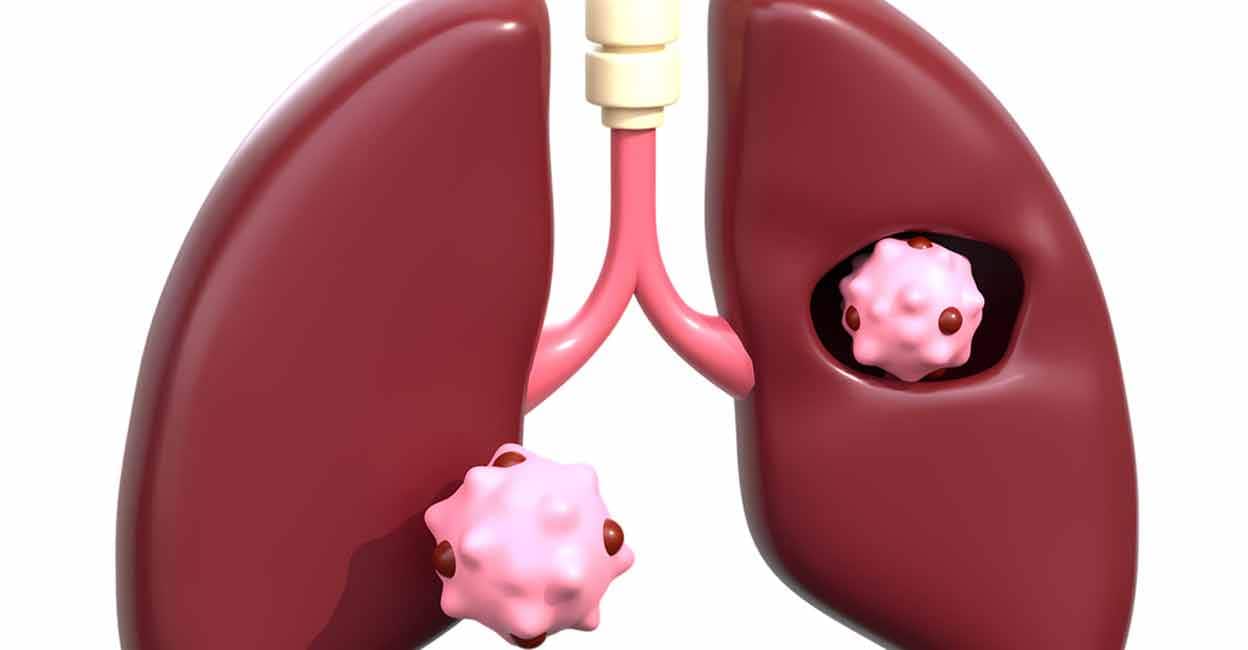
Pope Leo revealed on Sunday that a small growth was detected on his lung during a recent health check. The pontiff revealed he would undergo surgery soon to remove it. He told pilgrims in St. Peter’s Square for his weekly Sunday prayer that the growth was well-contained and caught at an early stage. “Recently, during some medical examinations, doctors found a localised nodule in my lung. It was detected at a very early stage and is well contained. The doctors believe it is advisable to intervene, so, following their advice, I have decided to undergo surgery to remove it,” he said. The operation is already scheduled for the next few days.
Why doctors advise removal
The National Institute of Health says that doctors advise the removal of nodules based on their appearance and whether they have the potential to be malignant. The surgery also treats any possibility of early-stage lung cancer or other underlying symptoms. Apparently, if the nodule is also over 8 millimetres and has spiky edges, removal is advised. Nodules that are growing rapidly can also turn into a tumour, because of which they are removed.
Active symptoms
While pulmonary nodules do not usually cause symptoms, certain small nodules can cause the following signs, says the Cleveland Clinic:
a) Fatigue
b) Shortness of breath
c) Chest pain
d) Coughing up blood
e) Persistent cough
f) Loss of appetite
g) Infections like bronchitis
h) Unexplained weight loss
i) Hoarseness of voice
What causes lung nodules
The American Thoracic Society says that it’s quite common to detect lung nodules in up to half of all adults who get a chest CT scan. Moreover, 95% of them are non-cancerous as well. However, the common causes of their formation are the following:
a) Inflammatory diseases like sarcoidosis, in which a person’s immune system overreacts and forms lumps of cells in various organs.
b) Autoimmune diseases like rheumatoid arthritis RA, in which the body attacks the lining of the joints, causing stiffness and swelling.
c) Scar tissue from healed injuries
d) Exposure to excessive smoke or air pollution
e) Past pneumonia, fungal or bacterial infections