
Elon Musk steps up Ambani criticism, shares reports on Reliance-linked BJP donations
New Delhi: Elon Musk has intensified his criticism of industrialist Mukesh Ambani amid delays in the launch of Starlink satellite internet services in India, sharing media reports alleging that a Reliance-funded firm helped boost BJP campaigns on social media and that a Reliance-linked company made substantial political donations to the ruling party.
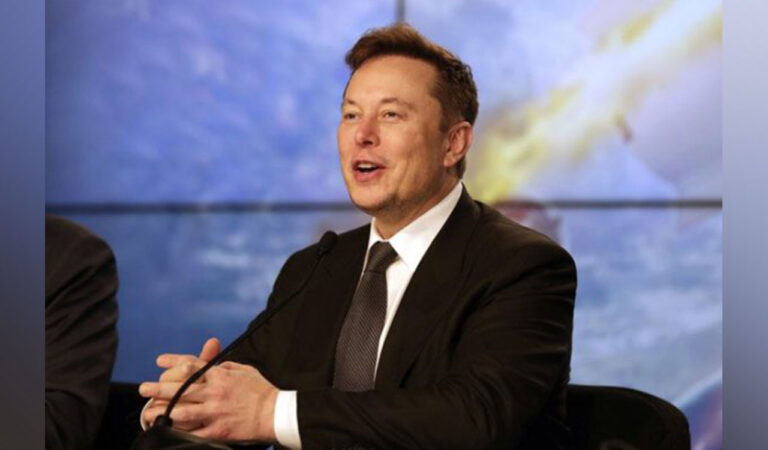
In a post on X on Saturday, Musk shared a 2022 Al Jazeera report titled “How a Reliance-funded firm boosts BJP’s campaigns on Facebook” and an archived 2024 report by The Indian Express on Qwik Supply, which reported that the Reliance-linked company donated Rs 385 crore to the BJP and Rs 25 crore to the Shiv Sena through electoral bonds.
https://t.co/DJYynAyO0W
— Elon Musk (@elonmusk) October 10, 2026
Reliance has not publicly responded to Musk’s latest allegations.
The posts follow a series of sharp exchanges over Starlink’s entry into India. On Friday, Musk sarcastically addressed Ambani as “Prime Minister Ambani” and accused him of seeking to protect a monopoly by restricting competition.
“Dear Prime Minister Ambani, Please accept my humble apologies for not realising that you are the real boss of India,” Musk wrote, questioning whether Ambani would allow Starlink to compete in the Indian market.
Musk also argued that satellite internet could benefit underserved communities, giving children access to education and helping small businesses reach global markets. He said Starlink had helped save lives during natural disasters when other communication systems failed.
Communications Minister Jyotiraditya Scindia, meanwhile, maintained that India does not permit monopolies in any sector and that satellite communication licences are granted under a fair and non-discriminatory framework.
Speaking at the India Mobile Congress in New Delhi, Scindia said three companies — Starlink, Reliance Jio’s satellite venture Jio Satcom and Bharti-backed Eutelsat OneWeb — had secured satcom licences. Amazon’s Project Kuiper has also expressed interest and must follow the prescribed process, he said.
The minister clarified that licence holders could begin operations after meeting security requirements and other stipulated conditions, once the government finalises the spectrum pricing framework.
Scindia said the Telecom Regulatory Authority of India (TRAI) and the Department of Telecommunications were nearing a decision on the pricing regime for satellite spectrum.
Musk had earlier questioned why Starlink, which he said was licensed in more than 165 countries, had yet to begin operations in India despite spending five years complying with the government’s requirements.
The dispute has brought renewed attention to competition in India’s emerging satellite broadband market, where regulatory approvals, spectrum pricing and security clearances remain key requirements for commercial services.