
Ceiling Fan Removal Debate: How foreign varsities modified campuses to prevent suicides
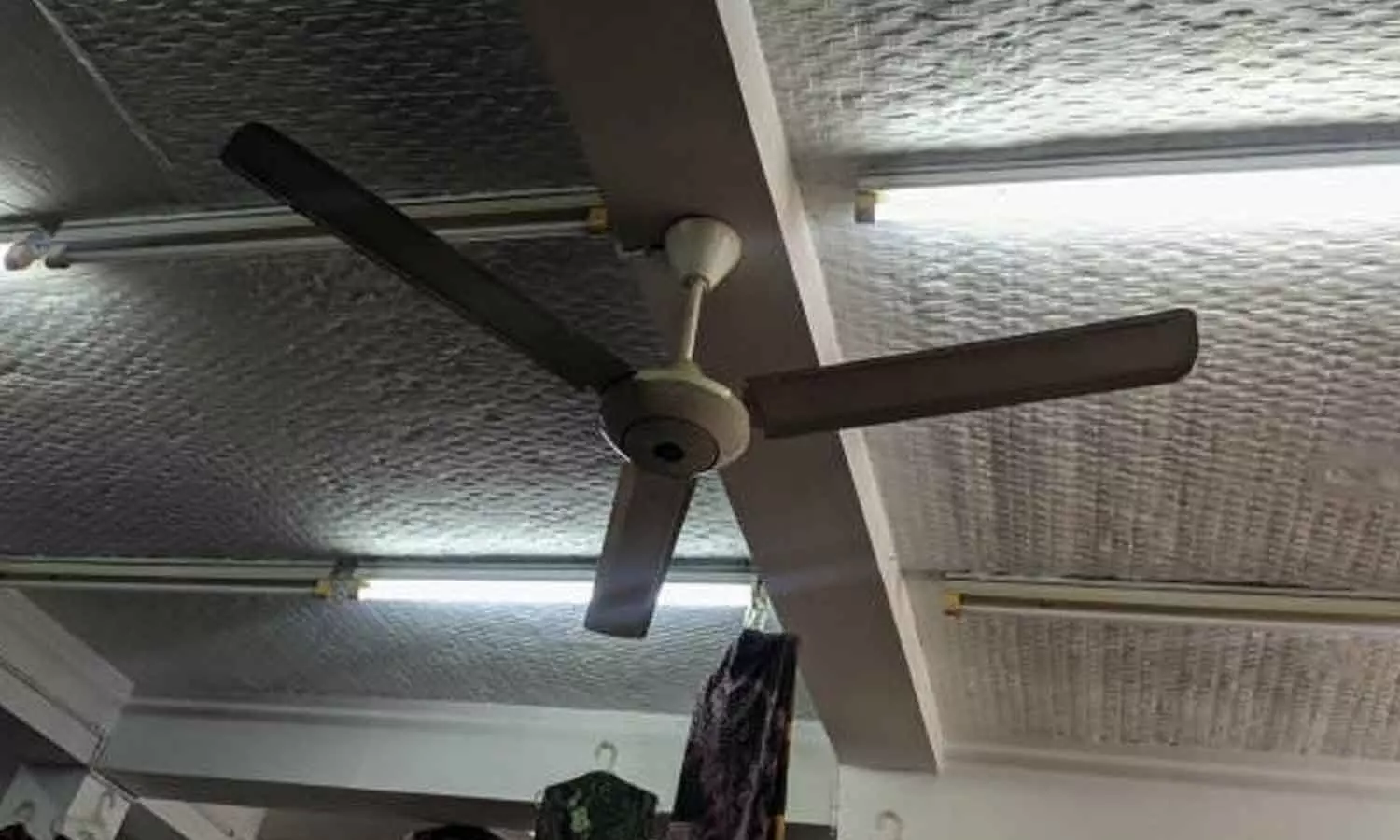
New Delhi: Spring-loaded “anti-suicide” fans, enclosing fans in mesh guards or replacing ceiling fans with wall-mounted units—the physical modifications by Indian education institutions to prevent student suicides might be attracting criticism as “band-aid measures” but the approach has been adopted previously by several foreign universities.
University of Houston (UH) had in 2023 made changes in its infrastructure, including installation of security fencing around the building and temporary barriers to secure the upper-level balconies, inner stairwell and sky bridges, after two students died by suicide on the campus. Following the incident, the university had created an Agnes Arnold Hall Taskforce and undertook a three-phase renovation.
“The renovation of this facility is a critical step for the university as is the support of our students. With the input of those on the taskforce and others throughout the university, UH also has implemented several initiatives to support our students’ mental and academic well-being,” Diane Z Chase, senior Vice President for Academic Affairs at University of Houston had said in an announcement in 2024. At US’ Cornell University, a cluster of suicides during the 2009-10 academic year, three of which involved university students jumping from or near East Hill bridges within a month, prompted installation of steel-mesh nets on bridges spanning the gorges around campus.
The university ultimately implemented permanent barriers on eight bridges and fencing around some cliff-edge areas. Cornell’s own account says its consultants had identified the absence of bridge means restriction as a gap in its existing suicide-prevention approach and recommended physical barriers as part of a multifaceted strategy.
Timothy Marchell, a clinical psychologist and director of the Skorton Centre for Health Initiatives at Cornell Health had then announced that the university also secures access to chemicals, weapons and equipment that could be used as a means of suicide. Harvard University’s “Means Matter” guidelines, based on recommendations contributed by the Suicide Prevention Resource Centre (SPRC) also say that “restricting access to lethal means is one strategy in a comprehensive approach to reducing the risk of suicide on a college campus”.
“Each campus should review its own data on suicide attempts and fatalities to identify the type of means used and to determine if there are trends or patterns in the use of specific methods,” the guidelines said. “Common lethal means used by college-aged students are firearms, jumping, poisoning, suffocation, drowning and hanging.
Therefore, administrators and staff should conduct a scan of the campus environment for access to building rooftops, balconies, windows, and bridges. They should look for places where students, faculty, and staff might gain access to toxic substances like chemicals found in laboratories,” they added. In response to a cluster of student suicides in 2003, the New York University had permanently installed lexan barriers made of transparent plastic around the balconies.
According to a report by the Washington Square News, NYU’s student-run newspaper, published in 2003, the university had also blocked access to certain balconies within the residence halls and installed locks on all the windows, which prevent students from opening the windows more than a few inches.